HVAC Tune-Up in Lancaster, PA

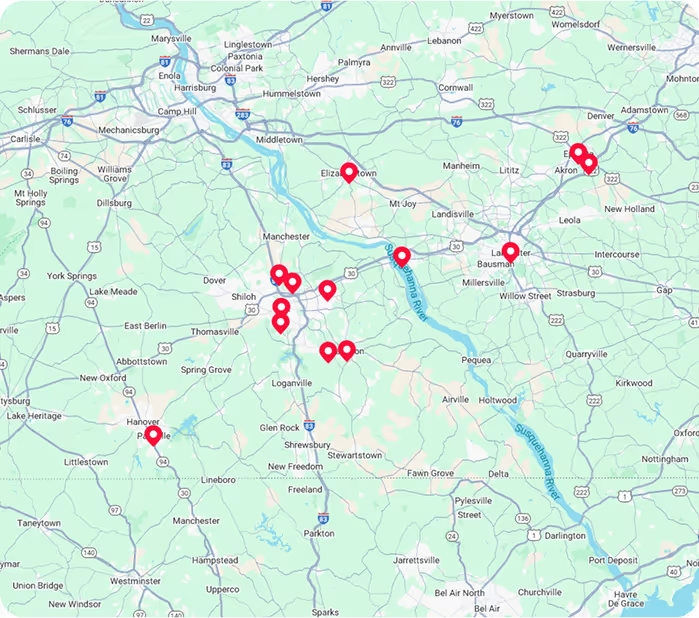
For homeowners in Lancaster, PA, heating tune-ups are essential for maintaining comfort, safety, and energy efficiency. Seasonal maintenance helps furnaces and heat pumps operate reliably despite the dust, pollen, and wear from hot summers and cold winters. Our typical tasks include filter replacement, coil cleaning, refrigerant checks, and thorough safety inspections, with recommended service intervals and plan options available. Homeowners benefit from improved system performance, a reduced risk of breakdowns, and clear expectations for what an Advance HAWS professional maintenance visit entails.
HVAC Tune-Up in Lancaster, PA
Keeping your heating and cooling systems tuned and ready is essential for comfort, safety, and cost control in Lancaster, PA. Seasonal HVAC tune-ups address the wear that comes from humid summers, cold winters, and the extra dust and pollen common around Lancaster County. A properly performed tune-up improves efficiency, reduces the risk of mid-season breakdowns, and helps your system provide reliable comfort when you need it most.
Why a seasonal HVAC tune-up matters in Lancaster, PA
Lancaster experiences humid, warm summers and freezing winters. That seasonal swing places two different stresses on HVAC equipment:
- Summer cooling demand can lead to dirty outdoor coils, low refrigerant, and overworked compressors.
- Winter heating demand exposes furnaces and heat pumps to ignition, flue, and freeze-related issues.
Older homes and rural properties near fields can also introduce more dust, pollen, and debris to ductwork and outdoor units. Seasonal tune-ups tailored to the Lancaster climate help prevent common problems before they leave you without heat or AC.
Typical tasks performed during a tune-up
A comprehensive tune-up covers inspection, cleaning, minor adjustments, and safety checks. Typical tasks include:
- Filter check and change - Replace or recommend the right MERV-rated filter for airflow and indoor air quality.
- Condenser and evaporator coil cleaning - Remove dirt that reduces heat transfer and forces the system to run longer.
- Refrigerant check - Verify correct refrigerant level and inspect for signs of leaks.
- Safety and performance checks - Test ignition systems, flame sensors, limit switches, and pressure/temperature readings.
- Thermostat calibration - Ensure the thermostat reads and controls temperature accurately for comfort and efficiency.
- Electrical inspection - Tighten connections, inspect capacitors and contactors, and test controls.
- Lubrication of moving parts - Reduce wear on motors, bearings, and fans.
- Blower and duct inspection - Check blower wheel, belt tension (if applicable), and visually inspect accessible ductwork for major leaks or blockages.
- System startup and run test - Observe system operation through a full cycle to confirm stable performance.
Recommended frequency
For most Lancaster homes:
- Air conditioning tune-up in spring - Prepare for humid summer months and peak cooling demand.
- Heating tune-up in fall - Ensure safe, efficient operation during cold snaps.
- Homes with high usage, older equipment, or indoor air quality concerns may benefit from a twice-yearly tune-up or enrollment in a maintenance plan that includes both seasonal visits.
Measurable benefits of regular tune-ups
A professional, seasonal tune-up delivers measurable improvements you can expect year over year:
- Improved efficiency - Cleaning coils, calibrating controls, and correcting refrigerant levels can improve system efficiency by approximately 5 to 15 percent, lowering energy use.
- Lower utility bills - Better efficiency typically translates into noticeable energy savings during peak heating and cooling months.
- Fewer emergency repairs - Identifying worn components before they fail reduces the likelihood of mid-season breakdowns, often cutting emergency service calls significantly.
- Extended equipment life - Routine maintenance reduces strain on motors and compressors, helping systems reach or exceed expected service life.
- Safer operation - Safety checks on combustion, flues, and electrical components reduce hazards associated with heating systems.
- Better indoor comfort and air quality - Proper airflow, calibrated thermostats, and clean coils mean steadier temperatures and fewer allergens circulated indoors.
Common HVAC tune-up issues in Lancaster, PA
Technicians in the Lancaster area frequently encounter:
- Dirty outdoor condenser coils clogged with pollen, grass, and dust from nearby fields.
- Refrigerant undercharge from slow leaks that reduce cooling capacity.
- Clogged filters and reduced airflow in older homes or high-pollen seasons.
- Furnace ignition or flame sensor problems after long idle periods.
- Duct leakage or disconnections in older houses, leading to uneven heating or cooling.
- Ice buildup on heat pumps during shoulder seasons due to improper refrigerant charge or airflow restrictions.
Diagnostic process and what to expect during the visit
A professional tune-up follows a clear diagnostic flow to locate issues efficiently:
- System history and visual inspection - Technician notes system age, past issues, and inspects external unit and indoor equipment.
- Airflow and filter assessment - Confirm proper filter type and examine fan and blower operation.
- Electrical and component testing - Measure voltages, currents, and check capacitors, relays, and safety switches.
- Refrigerant and pressure checks (AC/heat pump) - Measure pressures and temperatures and compare to expected ranges.
- Combustion and flue testing (gas furnaces) - Verify safe combustion and proper venting.
- Operational run test - Observe start-up, cycling, and steady-state operation, recording any deviations.
- Report and recommendations - Technician documents findings, lists recommended repairs or replacements, and explains the benefits of each option.
Repair and solution explanations in plain terms
If a tune-up uncovers a problem, common solutions include:
- Replacing filters and cleaning coils - Restores airflow and heat transfer for immediate performance gains.
- Sealing or repairing ducts - Improves overall system efficiency and room-to-room comfort.
- Recharging refrigerant and repairing leaks - Restores cooling capacity and prevents long-term compressor damage.
- Replacing worn capacitors, belts, or motors - Ensures reliable starts and continuous operation.
- Adjusting controls and calibrating thermostats - Reduces short cycling and prevents unnecessary runtime.Each repair is explained in straightforward language so you understand what was fixed, why it matters, and how it affects efficiency and reliability.
Maintenance plan options (service types without pricing)
Common plan options tailored to Lancaster homes include:
- Single seasonal tune-up - One-time service for either cooling or heating season.
- Dual seasonal tune-up - Two visits per year, one for AC and one for heating, scheduled for peak readiness.
- Annual maintenance membership - Ongoing program including seasonal tune-ups, prioritized scheduling, and documentation of service history.
Final considerations and maintenance tips
- Schedule the AC tune-up in spring and the heating tune-up in fall to avoid peak-season delays and ensure the system is ready before hot or cold weather hits.
- Use the correct filter type and replace it regularly to protect equipment and indoor air quality.
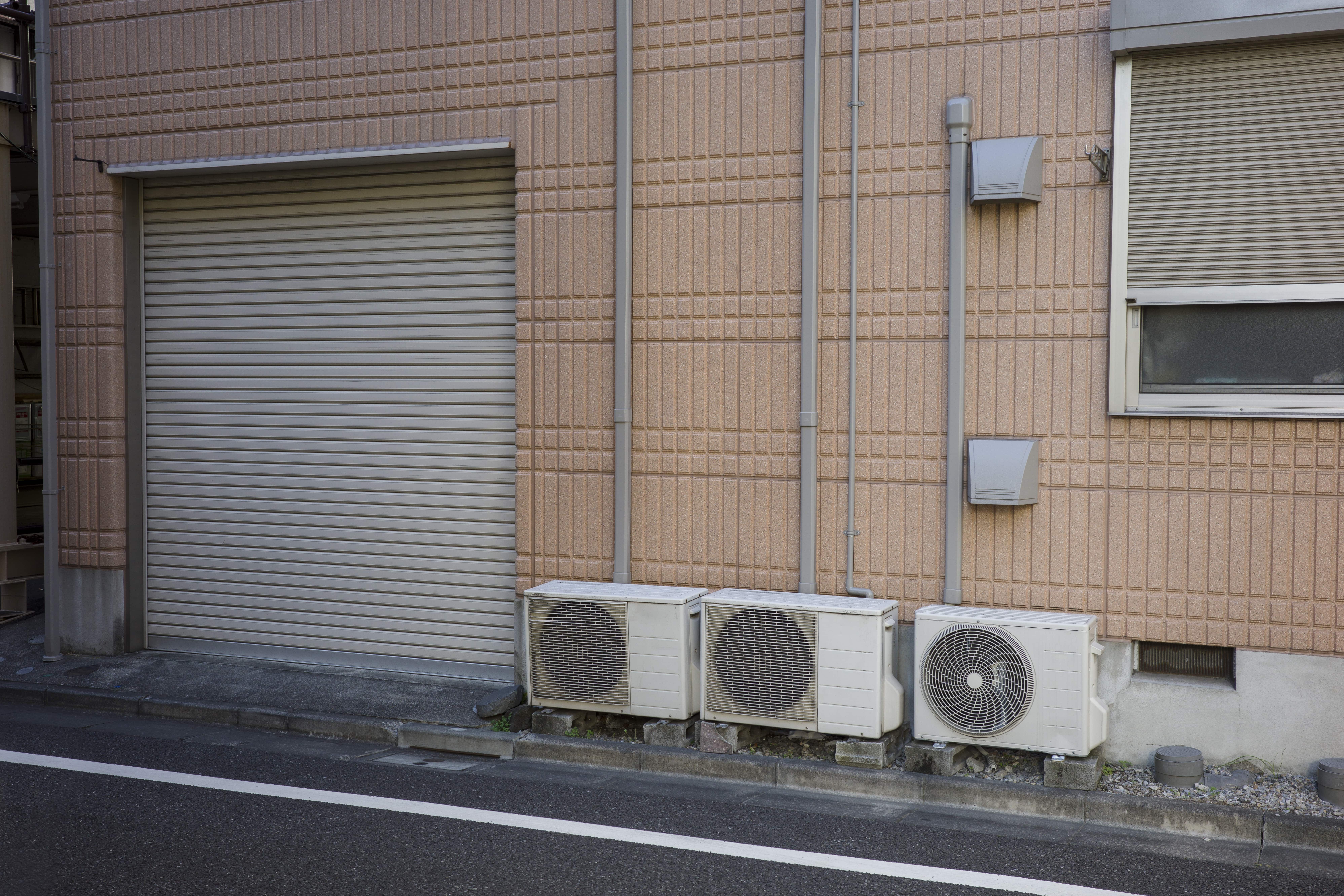
- Keep outdoor units clear of vegetation, snow, and debris to maintain airflow and prevent damage.
- Track service records and ages of major components so you can plan for replacement before failures occur.
A properly performed HVAC tune-up tailored to Lancaster, PA conditions reduces surprises, improves comfort, and protects your investment in home comfort equipment. Regular maintenance is the most cost-effective way to keep systems running safely and efficiently through hot, humid summers and cold winters.
Customer Testimonials
Focus on enhancing the quality of your maintenance plan by ensuring all components are well-coordinated and efficient. This will lead to improved performance and longevity of your systems.