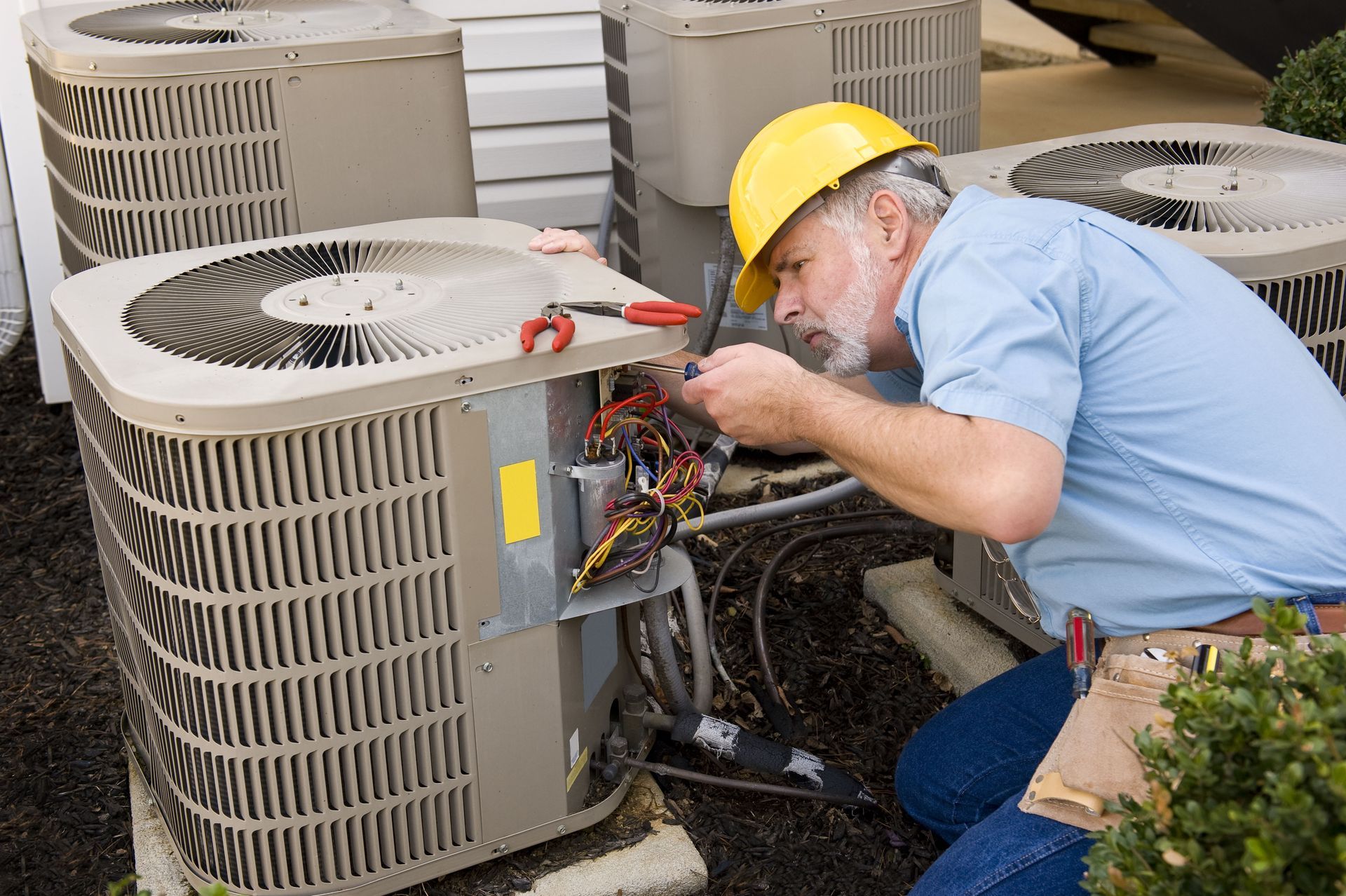
Heating Services in York, PA

In York, PA, heating services offer complete solutions for residential and commercial properties, including furnace and boiler installation, seasonal tune-ups, emergency repairs, efficiency upgrades, thermostat and zoning optimization, and safety inspections. Skilled technicians handle a wide range of systems—gas furnaces, boilers, heat pumps, and electric units—resolving common problems such as uneven heating, frequent cycling, and unusual noises with thorough, systematic diagnostics. The service process takes homeowners step by step from assessment to completion, prioritizing safety, energy efficiency, and long-term performance. Additional measures such as duct sealing, smart thermostat integration, and high-efficiency equipment ensure reliable, cost-effective comfort throughout York homes.

Heating Services in York, PA
Cold, changeable winters in York, PA make reliable heating essential for home comfort and safety. This page summarizes comprehensive heating services — from installation and tune-ups to emergency repairs and efficiency upgrades.
Common Heating Systems in York, PA
- Gas Furnaces – Most common forced-air option; modern condensing models cut fuel use.
- Oil & Gas Boilers – Still popular in historic homes with radiators.
- Heat Pumps & Hybrid Systems – Efficient solutions with dual-fuel backup.
- Electric Baseboard & Unit Heaters – Present in some apartments and older homes.
Common Heating Issues in York, PA
- No or Intermittent Heat – Thermostat faults, ignition issues, or pump failure.
- Short Cycling – Caused by sizing errors, failing controls, or airflow issues.
- Uneven Heating – Duct leaks or single-zone limitations in older homes.
- Strange Noises – Delayed ignition, air in systems, or sediment buildup.
- Odors/Soot – Combustion issues; urgent due to CO risks.
- Rising Energy Bills – Dirty filters, worn parts, or outdated controls.
Diagnostic & Service Process
- Initial Assessment – Identify system type, age, history, and symptoms.
- Visual & Operational Checks – Burners, heat exchangers, controls, and safety.
- Measurement – Efficiency, flue draft, airflow, and temperatures.
- Identify Options – Repair vs. replacement with benefits explained.
- Execution – Parts replacement, calibration, or new installation.
Furnace & Boiler Installation in York, PA
- Proper Sizing – Manual J load calculation for accurate capacity.
- Equipment Selection – Condensing models and modulating boilers for efficiency.
- Venting & Combustion – Correct flue sizing and chimney safety checks.
- Heat Pump Options – Cold-climate pumps and hybrid setups for York winters.
Seasonal Maintenance & Tune-Ups
Checklist Includes:
- Burner, chamber, and heat exchanger cleaning
- Control and safety calibration
- Filter replacement & airflow checks
- Lubrication of moving parts
- Boiler flushing & pressure checks
- Thermostat and zone control testing
Benefits: Lower fuel use, fewer breakdowns, longer equipment life.
Emergency Heating Repairs
- Quick response to loss of heat, frozen lines, or unsafe combustion.
- Temporary safe fixes until full repair/replacement.
- Diagnosis of root cause to prevent recurrence.
⚠️ Gas odors, fuel smells, or CO symptoms require immediate service.
Efficiency Upgrades & Component Replacement
- Modern burners & electronic controls
- Heat exchanger replacement
- Smart thermostats & zoning solutions
- Duct sealing & insulation
- Switching to high-efficiency boilers or heat pumps
Safety Inspections & Winter Reliability Tips
- Install and test CO detectors
- Inspect chimneys and vents yearly
- Replace filters every 1–3 months
- Insulate pipes and ductwork
- Bleed radiators/check boiler pressure
- Keep outdoor units snow-free
- Use programmable thermostat setbacks wisely
Conclusion
Well-executed heating services in York, PA safeguard comfort, safety, and energy budgets. With timely maintenance, accurate diagnostics, and smart upgrades, homeowners can prevent midwinter emergencies and ensure efficient, reliable heat all season long.
Customer Testimonials
Focus on enhancing the quality of your maintenance plan by ensuring all components are well-coordinated and efficient. This will lead to improved performance and longevity of your systems.