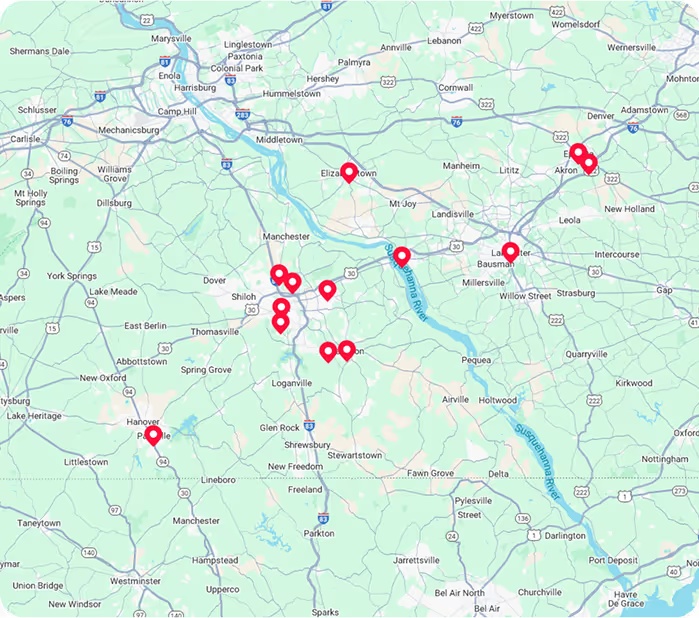
HVAC Maintenance in Lancaster, PA

For Lancaster, PA homes, HVAC maintenance ensures reliable heating and cooling through proactive inspections, seasonal tune-ups, and documented checks. By addressing common issues like pollen-clogged filters, dirty coils, blocked condensate drains, and airflow imbalances, our routine maintenance reduces breakdowns and energy waste while extending equipment life. Our comprehensive plans include biannual inspections, priority service, and transparent reporting. Regular maintenance minimizes emergency calls, improves safety with CO detection, and preserves warranties. Schedule timely spring and fall tune-ups with Advance HAWS to optimize comfort and safeguard your home year-round.

HVAC Maintenance in Lancaster, PA
Keeping your heating and cooling systems running reliably throughout Lancaster, PA starts with proactive HVAC maintenance. With cold, damp winters and hot, humid summers, homes in Lancaster place heavy seasonal demands on furnaces, boilers, and air conditioners. Regular maintenance and seasonal tune-ups reduce breakdowns, lower energy use, and extend equipment life so your system performs efficiently when you need it most.
Why HVAC maintenance matters in Lancaster, PA
Lancaster experiences wide temperature swings and distinct pollen and humidity cycles that affect system performance. Spring brings high pollen counts that clog filters and reduce airflow. Summer humidity forces air conditioners to run longer to dehumidify, increasing wear. Fall and winter demand reliable heating; neglected burners, flues, or controls can cause inefficient operation and safety risks. Routine maintenance addresses these local stressors before they turn into emergency repairs.
Common HVAC maintenance issues in Lancaster, PA
- Clogged or dirty filters from pollen and household dust
- Reduced cooling capacity due to dirty coils and low refrigerant
- Furnace inefficiencies caused by soiled burners, dirty heat exchangers, or poor combustion settings
- Condensate drain clogs leading to water damage or AC shutdowns during humid months
- Weak airflow from dirty blower wheels, blocked vents, or leaky ducts in older homes
- Thermostat miscalibration or aging controls that cause short cycling or uneven comfort
- Electrical wear and loose connections that increase failure risk during peak seasons
Seasonal tune-ups: what to expect
Routine tune-ups are scheduled seasonally to prepare systems for peak use. Typical timing for Lancaster homes is a spring tune-up for cooling systems and a fall tune-up for heating systems. Each visit follows a consistent checklist to diagnose, clean, and optimize systems.
Typical spring AC tune-up:
- Inspect and replace or clean air filters
- Clean and inspect evaporator and condenser coils for dirt and corrosion
- Check refrigerant levels and look for leaks
- Test and calibrate thermostat controls and cycle system through modes
- Clear condensate drain and check for standing water or blockages
- Lubricate motors and moving parts as recommended by the manufacturer
- Inspect electrical connections, capacitors, and contactors
- Measure airflow and indoor/outdoor temperature differentials
Typical fall heating tune-up:
- Replace or clean air filters and inspect filter housing
- Inspect burners, heat exchanger, and ignition system for safe operation
- Measure combustion efficiency and check venting or flue components for obstructions
- Test thermostat calibration, safety switches, and limit controls
- Inspect blower motor, belts, and electrical components
- Check ductwork for leaks, loose connections, or disconnected supply lines
- Verify carbon monoxide detection readiness and discuss CO safety tips
Detailed inspection checklist
Every maintenance visit should include a documented inspection checklist covering:
- Filters: condition and replacement recommendations
- Coils: cleanliness and fin condition on indoor and outdoor coils
- Burners and heat exchanger: cleanliness and signs of damage or corrosion
- Thermostat: calibration, settings, and recommended upgrades
- Refrigerant: level verification and leak indicators
- Blower and motor: amperage draw, lubrication, belt condition, and airflow
- Electrical: tightness of connections, voltage checks, and capacitor health
- Safety controls: limit switches, pressure switches, and sequence of operations
- Drainage: condensate traps and drain lines cleared and functioning
- Ductwork: visible leaks, insulation needs, and return/supply balance
Preventative care tasks included in plans
- Filter replacement on a schedule matched to your home and filter type
- Seasonal coil cleaning and compressor checks for outdoor units
- Lubrication of motors and moving parts where applicable
- Tightening and testing of electrical connections
- Refrigerant monitoring and leak inspections
- Priority scheduling for seasonal tune-ups to avoid peak-season delays
- Documentation of findings and recommendations for repairs or upgrades
Maintenance plans and agreements
Maintenance agreements typically offer structured options to match needs and budgets. Common plan features include:
- Biannual inspections and seasonal tune-ups scheduled automatically
- Priority or expedited service during high-demand periods
- Discounts on diagnostic fees and repair labor for covered systems
- Documentation of service history to support warranties and resale value
- Options to include additional services such as duct sealing, indoor air quality checks, or humidifier maintenance
Plans can be tailored to single-system homes, multi-system properties, or homes with older equipment that needs closer monitoring. For Lancaster homeowners, plans often emphasize spring filter and coil attention for pollen season and a thorough fall safety check before heating season.
How maintenance reduces emergency calls
Regular maintenance finds small problems before they become failures. Tightened electrical connections prevent mid-winter outages. Clean coils and proper refrigerant levels reduce compressor stress and the risk of sudden AC failure during humid summer days. Addressing condensate clogs and drainage issues prevents water damage and mold growth. Maintenance plans also document system condition, helping technicians diagnose issues faster and reducing time spent on emergencies.
HVAC maintenance benefits summary
- Improved efficiency and lower monthly energy use through optimized operation
- Fewer unexpected breakdowns and less urgent repair expense
- Longer equipment life and better preservation of manufacturer warranties
- More consistent indoor comfort and humidity control, important during Lancaster summers and winters
- Enhanced indoor air quality by managing filters, coils, and drainage systems
- Clear safety checks for combustion systems and reduced carbon monoxide risk
Practical scheduling and homeowner tips for Lancaster
- Schedule a fall heating tune-up before the first sustained cold period and a spring AC tune-up before pollen peaks and heat arrives.
- Use higher-quality filters during spring pollen and summer humidity to protect coils and improve air quality.
- Keep outdoor condenser units clear of leaves, mulch, and snow; allow at least 2 feet of clearance for airflow.
- Seal attic and duct leaks and add insulation if you have an older Lancaster home to reduce heating demand.
- Maintain working carbon monoxide detectors near sleeping areas and have combustion appliances inspected as part of seasonal service.
Regular HVAC maintenance in Lancaster, PA protects comfort, reduces costs, and gives homeowners predictable system performance throughout the year. A consistent maintenance program tailored to local weather patterns and your home’s needs is the most effective way to avoid emergency repairs and extend the life of your HVAC investment.
Customer Testimonials
Focus on enhancing the quality of your maintenance plan by ensuring all components are well-coordinated and efficient. This will lead to improved performance and longevity of your systems.