Inverter Installation

In York, PA, professional inverter installation services support both ducted and ductless HVAC systems, as well as electrical inverters for solar or backup power applications. Technicians perform comprehensive site assessments, including load calculations, ductwork evaluation, electrical panel capacity checks, grounding verification, and permit compliance. Installations accommodate grid tied, off grid, or hybrid configurations, following a structured process from equipment selection and permitting to system commissioning and warranty registration. Key considerations include system compatibility, anticipated energy savings typically 20 to 35% for most homes and up to 50% for specific setups, and ongoing maintenance to maintain efficiency and ensure long term performance.
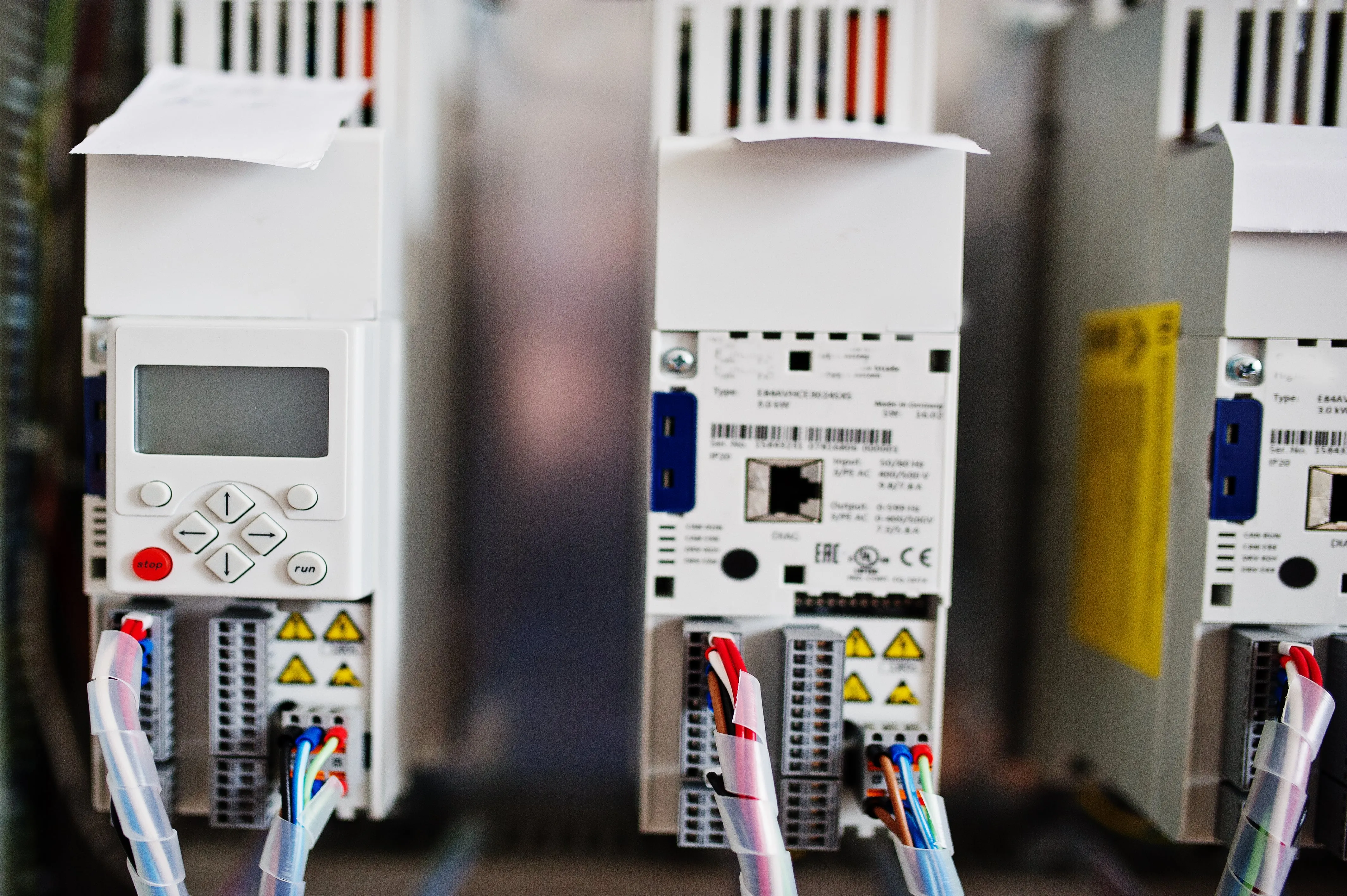
Inverter technology is transforming the way York-area homes heat, cool, and manage backup power. Whether upgrading to a variable-speed HVAC compressor, installing a ductless inverter system, or adding an electrical inverter for solar or backup power, professional installation ensures precise temperature control, quieter operation, and measurable energy savings.
This guide explains what to expect from inverter installations in York, PA, including site assessment, compatibility, common issues, warranty considerations, and expected performance improvements.
Why Inverter Systems Matter in York, PA
York experiences humid summers and cold winters. Traditional single-stage compressors cycle on and off frequently, reducing comfort and wasting energy. Inverter-driven compressors and ductless inverter systems:
- Run at variable speeds to match heating or cooling load
- Maintain steady temperature and humidity control
- Reduce energy use and equipment wear
- Provide reliable backup power when paired with batteries or solar
For homeowners facing rising energy costs and occasional storm-related outages, inverter upgrades improve comfort and lower operating expenses year-round.
Common Inverter Installation Types
- Ducted HVAC Inverter Compressor Replacements – Retrofit or part of a full system replacement.
- Ductless Mini-Split Inverter Systems – Zone comfort or home additions.
- Electrical Inverters – For solar tie-in, battery backup, or whole-house power.
Common installation issues in York homes:
- Undersized electrical panels
- Improper circuit protection
- Refrigerant mismatches
- Incorrect line set lengths
- Improper commissioning or control integration
Site Assessment & Electrical Requirements
A professional installation begins with a detailed assessment tailored to York homes:
- Load Calculation: Correctly size HVAC systems (Manual J style).
- Ductwork or Unit Placement: Review for ducted or ductless systems.
- Electrical Panel Review: Confirm capacity, breaker locations, and potential upgrades.
- Safety Checks: Grounding, surge protection, and proper disconnects.
- Electrical Inverters: PV array compatibility, battery sizing, transfer switch type, and grid-tied/off-grid/hybrid requirements.
- Code Compliance: Review permits and inspections per York/Pennsylvania requirements.
Professional Installation Steps
- Equipment selection and proposal based on site assessment
- Permitting and inspection scheduling
- Electrical upgrades if needed
- Mounting indoor/outdoor units, running refrigerant lines, and condensate drainage
- Refrigerant charging, evacuation, and leak testing (EPA-certified technicians)
- System commissioning: setpoints, airflow balancing, control integration, and firmware checks
- Load testing and diagnostic monitoring
- Homeowner orientation, warranty registration, and documentation
Compatibility Considerations
- System Age & Refrigerant: Older systems using R-22 may require full replacement.
- Ductwork Condition: Poor ducts reduce efficiency; duct improvements may be needed.
- Electrical Limitations: Older York homes may require panel upgrades or subpanels.
- Electrical Inverters: Ensure pure sine wave output, sufficient continuous/surge power, battery compatibility, and generator or utility integration.
Expected Energy Performance
- HVAC inverter compressors: 20 to 35% seasonal energy savings over fixed-speed systems.
- Ductless inverter mini-splits: 30 to 50% efficiency gains over window units or older heat pumps.
- Electrical inverters: 90 to 98% DC to AC conversion efficiency; pairing with solar/batteries improves resilience during winter outages.
Actual results depend on insulation, thermostat settings, occupancy, and system condition.
Common Faults & Solutions
Fault Cause Solution Voltage-related fault codes Poor wiring or supply fluctuationsCorrect wire sizing, stable supply, surge protectionShort cyclingImproper commissioning Recheck control settings, sensor calibration, refrigerant chargeLow efficiencyMismatched componentsReconfigure indoor/outdoor units, ensure refrigerant compatibilityRefrigerant leaksLeaks or insufficient chargeCertified leak repair and correct refrigerant chargingBattery or inverter failureAging or misconfigured battery/inverterDiagnose and replace failing components, ensure proper ventilation
Warranty & Reliability
- Manufacturer Warranties: Typically cover compressor parts for 5 to 10 years; electronics may have separate coverage.
- Labor/Installation Warranties: Usually 1 to 2 years; retain documentation.
- Maintenance: Annual service helps preserve warranty and ensures peak inverter performance.
Maintenance Tips & Long-Term Benefits
- Annual tune-ups: refrigerant checks, electrical inspections, airflow verification, firmware updates
- Replace/clean filters and keep outdoor units clear of debris
- Monitor system runtime and inverter diagnostics
- Minimized on/off cycles reduce wear, improve comfort, and extend component life
In York, PA, professional inverter installation ensures seasonal comfort, energy efficiency, and reliable performance. Proper assessment, licensed electrical work, precise commissioning, and ongoing maintenance maximize savings and system longevity.
Customer Testimonials
Focus on enhancing the quality of your maintenance plan by ensuring all components are well-coordinated and efficient. This will lead to improved performance and longevity of your systems.