Oil Forced Hot Air Furnaces/Boilers in Red Lion, PA

When winter arrives in Red Lion, Pennsylvania, your heating system becomes one of the most critical components of your home. For homeowners relying on oil-fired forced hot air furnaces and boilers, understanding how these systems work, what maintenance they need, and when replacement becomes necessary can mean the difference between staying warm and comfortable or facing a costly emergency breakdown on the coldest night of the year. At Advance HAWS, we've spent over 20 years serving families throughout York County and the surrounding areas, and we know firsthand how important it is to have a heating system you can trust. That's why we've built our reputation on personalized service, owner oversight, and the kind of reliability that keeps Red Lion families warm when it matters most.
%2520(2)-min.webp)
Oil Forced Hot Air Furnaces and Boilers in Red Lion, PA
When winter arrives in Red Lion, Pennsylvania, your heating system becomes one of the most critical components of your home. For homeowners relying on oil-fired forced hot air furnaces and boilers, understanding how these systems work, what maintenance they need, and when replacement becomes necessary can mean the difference between staying warm and comfortable or facing a costly emergency breakdown on the coldest night of the year. At Advance HAWS, we've spent over 20 years serving families throughout York County and the surrounding areas, and we know firsthand how important it is to have a heating system you can trust. That's why we've built our reputation on personalized service, owner oversight, and the kind of reliability that keeps Red Lion families warm when it matters most.
Oil furnaces and boilers are common in Pennsylvania, particularly in areas where natural gas lines aren't readily available. These systems have proven themselves reliable for decades, but they also require specialized knowledge to maintain and repair properly. Whether your oil heating system is running smoothly or showing signs of trouble, this guide will help you understand what you're dealing with and why choosing the right HVAC partner matters.
Understanding Oil Forced Hot Air Furnaces and Boilers
Oil furnaces and boilers operate on a fundamentally different principle than their gas-fired counterparts. Instead of a continuous flow of gas, an oil system relies on a burner that atomizes fuel oil and ignites it in a combustion chamber. For forced hot air furnaces, this heat is then distributed through ductwork via a blower fan. For boilers, the heat warms water that circulates through radiators or baseboard heaters throughout your home.
Both systems share common components that require regular attention. The fuel pump draws oil from your storage tank and delivers it to the burner at the correct pressure. The ignition system creates a spark or flame at precisely the right moment. The heat exchanger captures the heat from combustion and transfers it to either air (in furnaces) or water (in boilers). And the flue system safely vents combustion byproducts out of your home. Each of these components plays a critical role in keeping your system running efficiently and safely.
Red Lion homeowners often ask us why their oil systems need more maintenance than gas systems. The honest answer is that oil is a dirtier fuel than natural gas. It contains particles and impurities that can clog filters, coat burner nozzles, and accumulate in fuel lines over time. This is exactly why preventive maintenance isn't optional for oil systems - it's essential. At Advance HAWS, we understand this reality, and our maintenance plans are specifically designed to address the unique needs of oil-fired equipment.
Common Issues with Oil Furnaces and Boilers in Red Lion
Understanding the problems that typically develop with oil heating systems helps you recognize when professional service is needed. These issues range from minor inefficiencies to dangerous conditions that require immediate attention.
Burner Problems
The burner is the heart of your oil system, and when it malfunctions, your entire heating system stops working. Common burner issues include a clogged nozzle, which restricts fuel flow and causes incomplete combustion, leading to reduced heat output and increased fuel consumption. A dirty or worn ignition electrode fails to create a proper spark, preventing the system from firing at all. Improper burner settings can cause the system to produce too much smoke and soot, reducing efficiency and potentially triggering your system's safety shutdown. At Advance HAWS, we've seen countless oil burners that could have been avoided with annual maintenance, and that's why we always emphasize the importance of seasonal tune-ups.
Fuel Delivery Problems
Your oil system depends on a clean, uninterrupted flow of fuel from the tank to the burner. When fuel lines become clogged with water or sediment, the system can't deliver the necessary fuel pressure. A failing fuel pump produces weak pressure, preventing the nozzle from atomizing oil properly. Water contamination in the tank - which happens naturally through condensation - can corrode the fuel pump, clog filters, and cause the burner to malfunction. These issues don't typically develop overnight, which is why regular fuel filter changes and tank inspection are so important.
Heat Exchanger Deterioration
The heat exchanger takes the intense heat from combustion and transfers it to your home. Over time, soot and carbon deposits build up on the heat exchanger surfaces, reducing efficiency. In boiler systems, corrosion from water can eventually create leaks. A cracked or severely deteriorated heat exchanger is one of the main reasons homeowners face the decision between major repair and complete system replacement.
Flue and Venting Issues
Your oil system produces combustion gases that must be safely vented out of your home. A blocked flue vent prevents proper draft, causing the system to shut down on safety sensors or worse, allowing dangerous combustion gases to back up into your living space. A deteriorated chimney or cracked flue pipe can allow gases to escape inside your home rather than outside. These issues are serious safety concerns, and any suspicion of venting problems should prompt an immediate call to a professional.
Flame Failure and Lockouts
Modern oil systems have safety features that shut down the burner if combustion isn't established within a few seconds. When your system repeatedly goes into lockout - refusing to restart until it's manually reset - something is preventing proper ignition. This could be a clogged nozzle, weak spark, improper air/fuel mixture, or a faulty flame sensor. Repeated lockouts are your system's way of telling you it needs professional attention.
Our Oil System Maintenance Process
At Advance HAWS, we don't believe in just providing customers with predefined service plans. Instead, we tailor our skills to suit your needs, offering you the personalized attention you deserve. When it comes to maintaining your oil furnace or boiler, this means our technicians perform a comprehensive inspection and service that addresses the specific condition of your equipment.
Professional Fuel Filter Replacement
We begin by replacing your fuel filter, which traps sediment, water, and other contaminants before they reach your burner. A clogged fuel filter forces your pump to work harder, reduces fuel delivery, and can eventually lead to system failure. We use quality replacement filters and properly dispose of the old filter according to environmental regulations. Depending on your usage and fuel quality, we typically recommend fuel filter changes annually, though we'll assess your specific situation during your service visit.
Burner Service and Inspection
Our technicians remove and thoroughly clean or replace your burner nozzle, which atomizes the fuel oil into a fine mist for efficient combustion. A worn or clogged nozzle is one of the most common causes of poor performance and high fuel consumption. We inspect the ignition electrode for wear and carbon buildup. We check the fuel pump pressure to ensure it's delivering fuel at the correct rate. We verify that the air shutter is properly adjusted so the burner receives the right amount of combustion air. These adjustments might seem minor, but they dramatically impact efficiency and reliability.
Heat Exchanger Cleaning
We use specialized equipment to clean soot and carbon deposits from your heat exchanger surfaces. This improves heat transfer efficiency, reduces fuel consumption, and extends the life of the heat exchanger. For boiler systems, we may perform an internal inspection to check for corrosion or sediment buildup.
Flue and Venting System Inspection
A safe heating system depends on proper venting. We inspect your flue pipe, chimney connection, and vent termination to ensure they're clear and functioning properly. We check for corrosion, cracks, or disconnections that could allow dangerous gases to escape inside your home. We verify that your draft is adequate and that combustion gases are being safely expelled from your home.
Controls and Safety Device Testing
Your oil system relies on several safety controls to shut down the system if something goes wrong. We test the flame sensor, limit controls, and shutdown sensors to ensure they're working correctly. We verify that your thermostat is functioning and communicating properly with your heating system. We perform a complete combustion analysis to ensure your system is burning fuel efficiently and safely.
System Performance Verification
After completing all maintenance steps, we run your system through a full cycle and verify that it starts reliably, maintains proper flame, and cycles off when your home reaches the desired temperature. We'll explain what we found, what we did, and what to watch for going forward. When you choose Advance HAWS, the company owners will personally come to your residential or commercial job and verify the work is done correctly. That's not just a promise - it's how we operate.
Recognizing When Repair vs. Replacement Makes Sense
One of the most common questions Red Lion homeowners ask us is whether they should repair their existing oil furnace or boiler, or invest in a new system. There's no one-size-fits-all answer, but there are several factors that can help guide this important decision.
System Age
Oil furnaces and boilers typically last 15 to 20 years with proper maintenance, though some well-maintained systems can run longer. If your system is under 10 years old, repair almost always makes economic sense. A repair that costs $500 to $1,500 is far less than the $4,000 to $8,000+ investment in a new system. If your system is 15 years or older and experiencing significant problems, replacement often becomes the more logical choice. As systems age, repairs become more frequent and expensive, and you're ultimately throwing money at equipment that's nearing the end of its life anyway.
Repair Cost vs. System Value
A helpful rule of thumb is the "50% rule." If the cost of repair exceeds 50% of what a new system would cost, replacement often makes more financial sense. For example, if a new oil furnace costs $5,000 and the repair is over $2,500, you're better off investing in new equipment that will operate efficiently and reliably for years to come.
Fuel Efficiency Ratings
Older oil heating systems often operate at efficiencies of 75% to 85%, meaning 15% to 25% of the fuel you're paying for is literally going up the chimney. Modern oil furnaces and boilers can achieve efficiencies of 85% to 90% or higher. For homeowners facing significant heating bills in Pennsylvania winters, upgrading to a more efficient system can reduce fuel consumption by 10% to 20%, which translates to real savings on your heating costs every month. Over several years, these savings can offset a substantial portion of your replacement investment.
System Reliability and Frequency of Breakdowns
If your system requires service every year or two, or if it's developed multiple problems simultaneously, these are signs that it's reaching the end of its functional life. When you're having more service calls than comfortable years, replacement becomes attractive simply because it eliminates the uncertainty and inconvenience.
Safety Considerations
If your system has developed a crack in the heat exchanger, a blocked flue that can't be safely cleared, or persistent carbon monoxide concerns, replacement becomes a safety issue rather than just an economic one. We never recommend that homeowners ignore potential safety problems in the hope of squeezing another season or two from their equipment.
Environmental Impact
While not usually the primary decision factor, it's worth noting that modern oil heating systems produce fewer emissions and consume less fuel than older equipment. If environmental responsibility factors into your values, this is another argument for upgrading when your current system is nearing the end of its life.
We understand that deciding whether to repair or replace is a significant decision, and we don't push customers toward one choice or the other. Instead, we provide you with honest information about your system's condition, the likely costs of repair, the benefits of replacement, and the long-term financial implications of each option. You're not just a number when you choose to work with our team - you're a neighbor, and we treat these decisions with the seriousness they deserve.
Oil System Safety: What Every Red Lion Homeowner Should Know
Oil heating systems are safe when properly installed, maintained, and operated, but they do involve combustion and fuel storage, which means there are legitimate safety considerations every homeowner should understand.
Carbon Monoxide Risks
Incomplete combustion or a blocked flue can allow carbon monoxide - a colorless, odorless, deadly gas - to accumulate in your home. This is why we always recommend that homeowners have working carbon monoxide detectors on every level of their home, particularly near bedrooms. Never ignore a carbon monoxide alarm - open windows immediately, get outside, and call emergency services. Then call us to inspect your heating system before turning it back on.
Fuel Tank Safety
Your oil storage tank should be inspected periodically for corrosion and leaks. A leaking tank can contaminate your soil and groundwater. We recommend that our customers have their tanks professionally inspected at least every few years, and more frequently if the tank is over 20 years old. If you suspect a leak, contact a licensed professional immediately.
Proper Ventilation
Your furnace or boiler must be installed in a space with adequate combustion air. Furnaces installed in tight basements or mechanical rooms with inadequate air supply won't function properly and can create safety issues. If you're considering enclosing or significantly remodeling the space where your heating system is located, consult with us first to ensure proper ventilation.
Regular Maintenance
The single most important step you can take to ensure your oil system operates safely is regular maintenance. Annual tune-ups catch problems before they become dangerous. They verify that combustion is complete and efficient, that the flue is clear, and that all safety controls are functioning. There's simply no substitute for professional maintenance.
Choosing the Right Oil System for Your Home
If you're at the point where replacement makes sense, you'll want to understand your options. Modern oil furnaces and boilers offer improved efficiency, quieter operation, and better controls than older equipment, but choosing the right system for your home involves several considerations.
Forced Hot Air Furnace vs. Boiler
If your home currently uses a forced hot air system with ducts and registers, replacement with another furnace is usually the straightforward choice. If you have baseboard heaters or radiators, you likely have a boiler system. Converting between these two types of systems is possible but expensive, requiring significant ductwork or piping changes. Most homeowners stick with what they have.
Efficiency Ratings
Oil furnaces are rated by their Annual Fuel Utilization Efficiency (AFUE). Higher AFUE ratings mean more of your fuel is converted to heat for your home. Modern systems typically range from 85% to 90% AFUE. The difference between an 85% and 90% system might not sound like much, but over the life of the equipment, the 90% system will consume noticeably less fuel.
System Size and Capacity
An oversized furnace or boiler will cycle on and off more frequently, reducing efficiency and comfort, while an undersized system will struggle to keep your home warm during the coldest days. Proper sizing requires a detailed heat loss calculation specific to your home. This is where experience matters - our technicians at Advance HAWS have performed these calculations for hundreds of Red Lion-area homes and understand the specific heating demands of our region.
Brand Selection
We work with all major manufacturers and can help you evaluate options from Carrier, Trane, Lennox, Rheem, Bryant, and others. Each brand has its strengths, and the right choice depends on your budget, efficiency goals, and specific needs. We don't push one brand over another - we recommend based on what makes sense for your home and your situation.
Emergency Service When You Need It Most
Winter in Pennsylvania can be harsh, and heating system failures often seem to happen at the worst possible times - on the coldest nights, over the holidays, or during weekends when finding emergency service is difficult. At Advance HAWS, we operate 24/7 for emergencies, which means when your oil furnace or boiler stops working in the middle of the night, we're available to help.
Rain or Shine, We're On Our Way - that's not just a slogan, it's how we operate. When you call us with a heating emergency, you're reaching a local, family-owned company with owners who care about your comfort and safety. We maintain rapid response times because we understand how critical your heating system is during cold weather. We'll get a qualified technician to your home quickly, diagnose the problem, and work to restore your heat as efficiently as possible.
Our emergency service isn't just for complete system failures either. If your system is running but not producing enough heat, if you notice unusual sounds or odors, or if you're concerned about anything related to your heating system, we'd rather you call and have us check it out than worry through a cold night wondering if something's wrong. Many of our emergency calls turn out to be minor adjustments or simple repairs, and knowing that everything's okay is worth the service call.
Maintenance Plans Tailored to Your Needs
Rather than forcing every customer into the same maintenance plan, we believe in understanding your specific situation and recommending a maintenance approach that makes sense for you. Some customers prefer annual tune-ups before heating season. Others choose twice-yearly maintenance - once in the fall to prepare for winter and once in the spring to ensure their system is ready for the next season. Some customers prefer to call us as issues arise.
What matters most is that your oil heating system receives the professional attention it needs to operate safely and efficiently. We'll assess your system's age, condition, usage patterns, and your preferences, then recommend a maintenance schedule that works for you. Our goal is to prevent unexpected breakdowns, extend the life of your equipment, and keep your home comfortable all winter long.
Why Red Lion Homeowners Trust Advance HAWS for Oil Heating Service
We've been serving York County families for over 20 years, and that experience shows in every job we do. When you choose Advance HAWS for your oil furnace or boiler service, repair, or replacement, you're choosing a company that understands the specific heating challenges of Pennsylvania winters. You're choosing a family-owned business where the owners personally verify that work is done correctly. You're choosing technicians who take pride in their work and who will explain what they're doing and why.
We know your family is your top priority - that's built into everything we do. When your heating system isn't working, it affects your comfort and safety, and we treat it with the urgency it deserves. We maintain the certifications and licensing required to work on all makes and models of oil systems. We keep our knowledge current with ongoing training in the latest equipment and techniques. And we back our work with genuine commitment to your satisfaction.
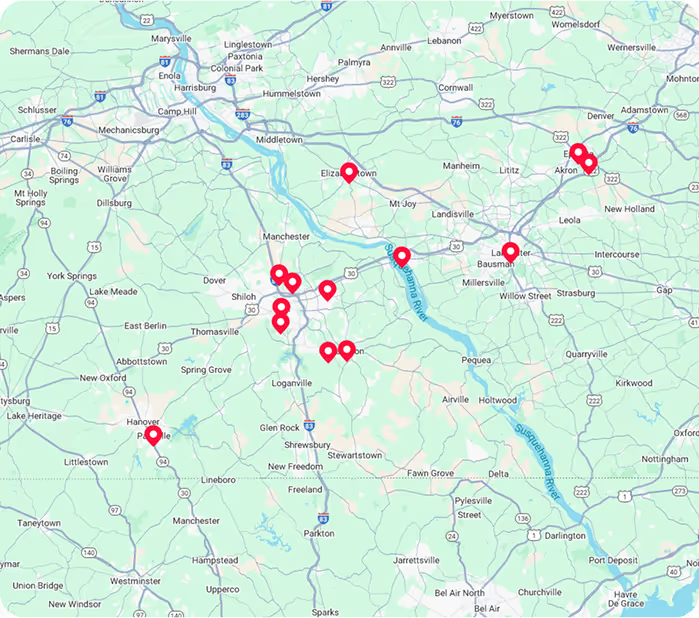
If you're in Red Lion or anywhere in York County, Lancaster County, or Dauphin County, and you need service for your oil furnace or boiler, don't hesitate to reach out. Whether you need emergency repair, annual maintenance, or want to discuss replacement options, we're here to help.
Your heating system is too important to trust to just anyone. Choose Advance HAWS - where family values meet professional expertise, and where you're never just a number in our system.
Customer Testimonials
Focus on enhancing the quality of your maintenance plan by ensuring all components are well-coordinated and efficient. This will lead to improved performance and longevity of your systems.