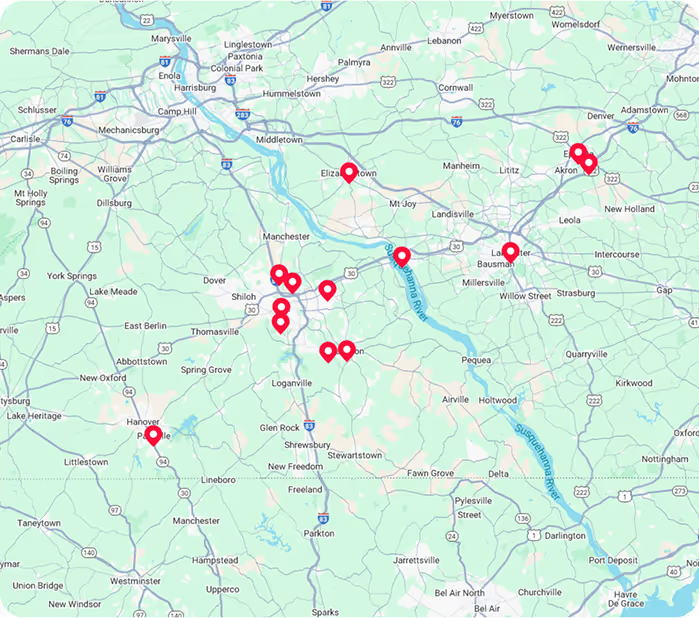
Heating Replacement in Red Lion, PA

Thinking about heating replacement in Red Lion, PA? We'll help you understand when it’s time to replace aging furnaces, boilers, or heat pumps, and present practical options, efficiency expectations, and a realistic timeline. Our guide covers signs of failure, compares fuel types and efficiencies, lists cost drivers, and offers step-by-step guidance for selecting the right system for your Red Lion home. We also cover the installation process, warranties, financing, and maintenance considerations to maximize comfort, safety, and long-term energy savings. Trust Advance HAWS for informed decisions and dependable winter warmth.

Heating Replacement in Red Lion, PA
A reliable heating system is essential for Red Lion, PA homes where cold winters and fluctuating temperatures make consistent indoor warmth a priority. If your furnace, boiler, or heat pump is older, inefficient, or requires frequent repairs, a planned heating replacement can restore comfort, reduce energy bills, and improve safety. This page explains signs that replacement is needed, compares common replacement options and efficiency ratings, outlines cost drivers and timelines, and offers practical guidance for choosing the right system for homes in Red Lion.
Why replace your heating system in Red Lion, PA
Red Lion experiences cold winters that put heavy demands on heating equipment. Older systems often struggle to maintain temperature, cycle frequently, or produce uneven heat. Upgrading to a modern, properly sized system can deliver:
- Lower operating costs through higher efficiency
- Improved reliability to avoid midwinter breakdowns
- Better indoor comfort and temperature consistency
- Safer operation by replacing worn combustion equipment
Common signs a replacement is needed
Watch for these clear indicators that your system is due for replacement rather than another repair:
- Frequent breakdowns or increasing repair bills over the past 1 to 3 seasons
- Furnace or boiler age over 15 to 20 years for combustion equipment, or 10 to 15 years for heat pumps
- Drop in efficiency and rising fuel or electric bills despite steady usage
- Uneven heating, persistent cold spots, or rooms that never reach set temperatures
- Yellow or irregular pilot light on gas furnaces, soot buildup, or signs of a cracked heat exchanger
- Noisy operation, excessive cycling, or poor response to thermostat changes
- Ductwork in poor condition or a system that cannot meet current comfort needs
Replacement options and efficiency ratings
Selecting the right replacement depends on fuel availability, home layout, budget, and long-term goals such as electrification or hybrid systems. Common options include:
- High efficiency gas furnaces
- Measured by AFUE (Annual Fuel Utilization Efficiency)
- Conventional furnaces 80 to 90 AFUE, condensing models 95 AFUE and higher
- Good choice where natural gas is available in Red Lion neighborhoods
- Boilers (hot water or steam)
- AFUE ratings vary; modern condensing boilers are significantly more efficient than older models
- Ideal if your home uses radiators or in-floor radiant systems
- Air source heat pumps (including cold-climate models)
- Heat pump performance measured by HSPF for heating and SEER for cooling
- Cold-climate heat pumps maintain efficiency at lower temperatures and can be an excellent electrification option in Pennsylvania
- Offer both heating and cooling in one system
- Ductless mini-splits
- Good for additions, finished basements, or homes without existing ductwork
- High efficiency and easy zoning
- Hybrid systems
- Combine a high-efficiency furnace with a heat pump to optimize seasonal performance
When comparing systems, focus on realistic year-round efficiency for Red Lion winters, not just peak-season numbers.
Cost factors that influence replacement pricing
Several variables affect the overall cost of replacing a heating system:
- Type and efficiency of the new unit
- Proper sizing based on Manual J load calculation
- Condition and configuration of existing ductwork or piping
- Need for additional equipment like line sets, condensate drains, or new venting
- Complexity of removal and disposal of the old unit, especially if it involves an oil tank or asbestos-containing components
- Permits, inspections, and local code compliance
- Labor and any required electrical, gas, or plumbing upgrades
- Optional add-ons such as smart thermostats, zoning dampers, or indoor air quality equipment
Typical timeline and removal/replacement process
A planned replacement in Red Lion usually follows these stages:
- Assessment and sizing (1 day)
- Home evaluation, load calculation, review of fuel access and venting
- Equipment selection and ordering (varies 1 to 3 weeks depending on availability)
- Permits and scheduling (a few days to a week depending on local processing)
- Removal of the old unit (half day to 1 day)
- Safe shutdown, disconnect utilities, remove venting, detach ducts or piping, and dispose of the unit according to regulations
- Installation of the new system (1 to 3 days typical)
- Install equipment, connect gas/electric/refrigerant, set up controls, and integrate with existing ductwork or piping
- Commissioning and testing (same day as installation)
- Combustion analysis for gas equipment, airflow checks, refrigerant charge for heat pumps, thermostat calibration, and homeowner orientation
- Local inspection (timing depends on municipal schedule)
Complex projects such as boilers, full duct replacements, or conversions between fuel types can add several days to the timeline.
What to expect during removal and replacement
- Technicians will safely disconnect fuel and power, vent and cap lines, and remove the old equipment.
- Older systems may require remedial work such as sealing/repairing ductwork, installing a new chimney liner, or remediating oil tank remnants.
- New equipment installation includes proper siting, correct venting, combustion and safety controls, and system balancing for comfort.
- Final checks confirm safe operation and optimized performance for Red Lion climate conditions.
Warranties, incentives, and financing
- Manufacturer warranties commonly cover heat exchangers or compressors for 5 to 10 years, with parts warranties that may vary by model. Extended warranties are often available.
- Financing options and payment plans are frequently offered through third-party lenders or program partners to help spread replacement costs.
- Homeowners in Red Lion may qualify for federal tax credits or local utility rebates for high-efficiency equipment or electrification projects such as heat pump installations. Eligibility depends on current programs and qualifying equipment.
How to choose the right system for your Red Lion home
Consider these factors when evaluating replacement options:
- Fuel availability and cost in your neighborhood
- Size of your home and results of a Manual J load calculation
- Current ductwork condition and whether ductless or ducted solutions make more sense
- Your long-term goals for energy bills and electrification
- Noise, indoor air quality, and zoning needs for multi-level homes
- Local climate: choose cold-climate rated heat pumps if pursuing full electrification
- Lifecycle cost: weigh upfront price against long-term fuel and maintenance savings
Make decisions based on measured performance and proper sizing rather than just equipment brand or nominal capacity.
Benefits beyond immediate comfort
Upgrading your heating system brings lasting advantages:
- Reduced energy use and lower monthly utility bills
- Fewer emergency repairs and predictable maintenance needs
- Greater home safety with modern combustion safety features
- Improved resale value and marketability for local buyers
- Better indoor air quality with compatible filtration and ventilation upgrades
Maintenance and getting the most from a new system
- Schedule annual tune ups for combustion equipment and biannual checks for heat pumps to keep efficiency high
- Replace filters regularly and seal duct leaks to maximize performance
- Consider programmable or smart thermostats to optimize setpoints for Red Lion winter patterns
- Plan for routine inspections of vents, condensate lines, and refrigerant levels
Putting a replacement on a planned timeline ensures installation at a convenient time and reduces the chance of costly emergency work during the coldest months.
Replacing your heating system is a major home investment that pays back through comfort, savings, and peace of mind. In Red Lion, PA, choosing the right equipment and ensuring a professional, properly sized installation are the keys to reliable warmth through every winter.
Customer Testimonials
Focus on enhancing the quality of your maintenance plan by ensuring all components are well-coordinated and efficient. This will lead to improved performance and longevity of your systems.