Humidifier vs. Dehumidifier: Which is Right for Your Home?


Humidifier vs. Dehumidifier: Expert Guide to Choosing the Right Home Humidity Control System
Proper indoor humidity affects comfort, health, and the condition of your home. At Advance HAWS, we understand the importance of choosing the right humidity control system tailored to your needs. Knowing the difference between humidifiers and dehumidifiers helps you select the best solution for your home. This guide explains how each device works, the benefits they offer, and the factors to consider so you can improve your indoor air quality. Many homeowners deal with either dry air or excess moisture, both of which can cause discomfort and health concerns. Read on to learn definitions, selection tips, the role of HVAC maintenance, and the health impacts of correct humidity levels.
Research consistently shows indoor humidity influences many aspects of home life.
What Is a Humidifier and How Does It Benefit Your Home?
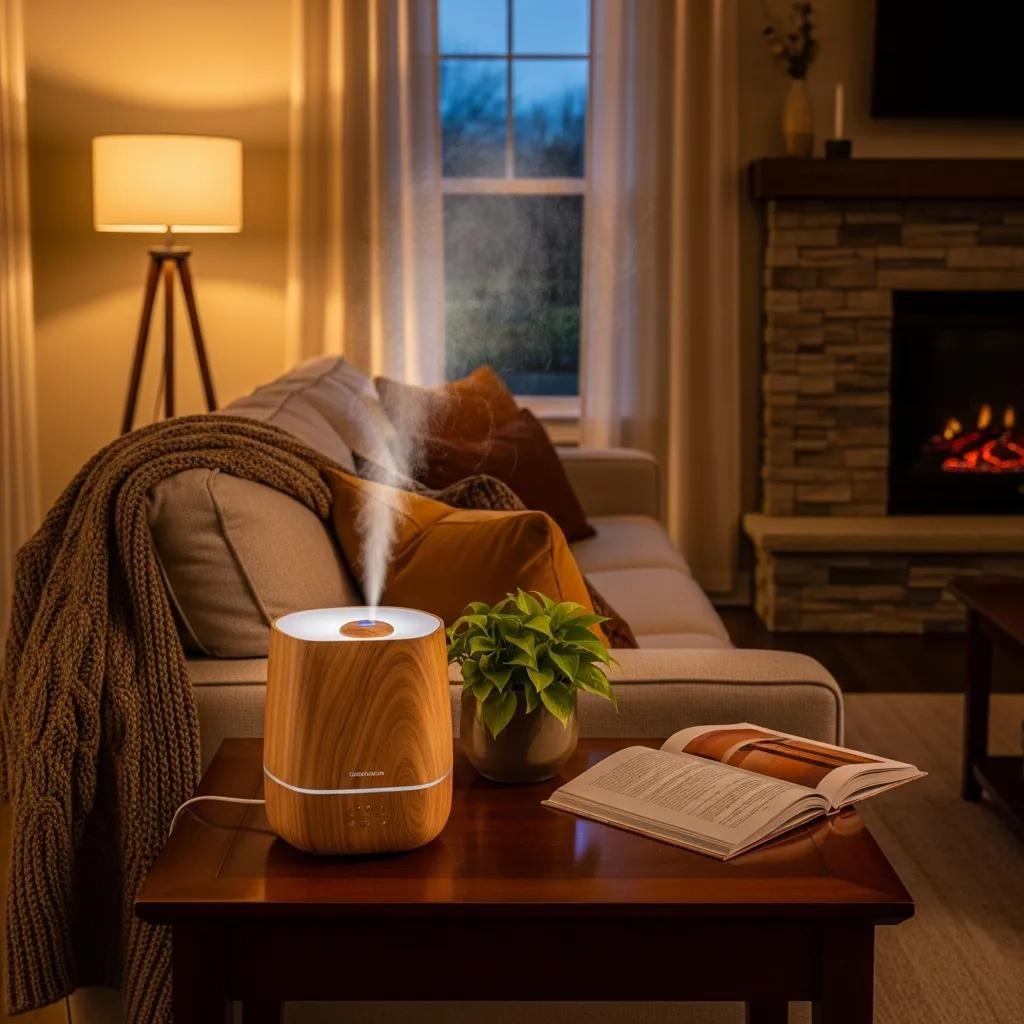
A humidifier adds moisture to indoor air to relieve problems caused by dry conditions. It releases water vapor or steam to raise humidity, which is useful in dry seasons or arid climates. The main benefit is improved indoor air quality—breathing becomes easier and some respiratory risks are reduced.
Humidifiers are available as portable room units and as whole-house systems that integrate with HVAC equipment. Portable units offer flexibility and a lower initial investment, while whole-house humidifiers supply controlled humidity to multiple rooms through the ductwork. When choosing between options, consider the size of the area you need to treat, how much ongoing maintenance you are willing to perform, and whether you prefer a single-point solution or a system-level installation.
Common humidifier types include ultrasonic, evaporative (wick), steam (boil), and impeller designs. Each has trade-offs in noise, visible mist, mineral deposits, and maintenance. For example, ultrasonic units are quiet and efficient but may require distilled water or frequent cleaning to avoid white dust from minerals. Steam models produce sterilized vapor and are effective in very dry conditions but consume more energy and require safety considerations around hot steam. Choosing the appropriate type helps maintain healthy humidity without introducing new indoor air issues.
How Do Humidifiers Improve Indoor Air Moisture Management?
Humidifiers release water vapor to raise indoor humidity, easing symptoms like dry skin, irritated sinuses, and breathing discomfort. In winter, they restore moisture that heating systems remove, making rooms feel warmer. Proper humidity also helps protect wooden furniture and reduces static electricity.
Placement matters for effectiveness: position portable humidifiers where airflow can carry moisture across a room rather than directly next to fabrics or electronics. Whole-house units should be sized and balanced by a technician so they add moisture evenly without saturating certain rooms. Safety and hygiene are critical—regular cleaning and following manufacturer guidance prevent bacterial growth, mineral buildup, and unpleasant odors. Many units include washable or replaceable filters and manufacturer-recommended cleaning schedules; adhering to those schedules preserves air quality and device performance.
What Are the Key Benefits of Using a Humidifier for Home Comfort?
Humidifiers deliver clear benefits for home comfort:
- Improved Air Quality: By adding moisture to the air, humidifiers can help reduce allergens and irritants, leading to better overall air quality. This creates a healthier environment for you and your family.
- Health Benefits: Proper humidity levels can alleviate symptoms of asthma and allergies, making it easier to breathe and reducing the likelihood of respiratory infections. We at Advance HAWS emphasize these benefits for our clients’ well-being.
- Enhanced Comfort: Humidifiers can make your home feel warmer during colder months, allowing you to lower your thermostat and save on heating costs. This contributes to both comfort and energy savings.
These advantages underscore the value of keeping indoor humidity within a healthy range, particularly in dry climates.
Additional practical benefits include preserving wood floors, musical instruments, and antique furnishings that can crack or warp if the air is excessively dry. For households with infants, elderly occupants, or people with chronic respiratory issues, modestly higher humidity within recommended ranges can reduce irritation and improve sleep quality. We recommend always tracking relative humidity with a reliable hygrometer to avoid over-humidifying.
What Is a Dehumidifier and What Advantages Does It Offer?
A dehumidifier removes excess moisture from the air to create a more comfortable indoor environment. It draws in humid air, cools it to condense water, and then releases drier air. Lowering humidity prevents mold and mildew and helps protect your home from moisture damage.
How Do Dehumidifiers Help Prevent Mold and Improve Air Quality?
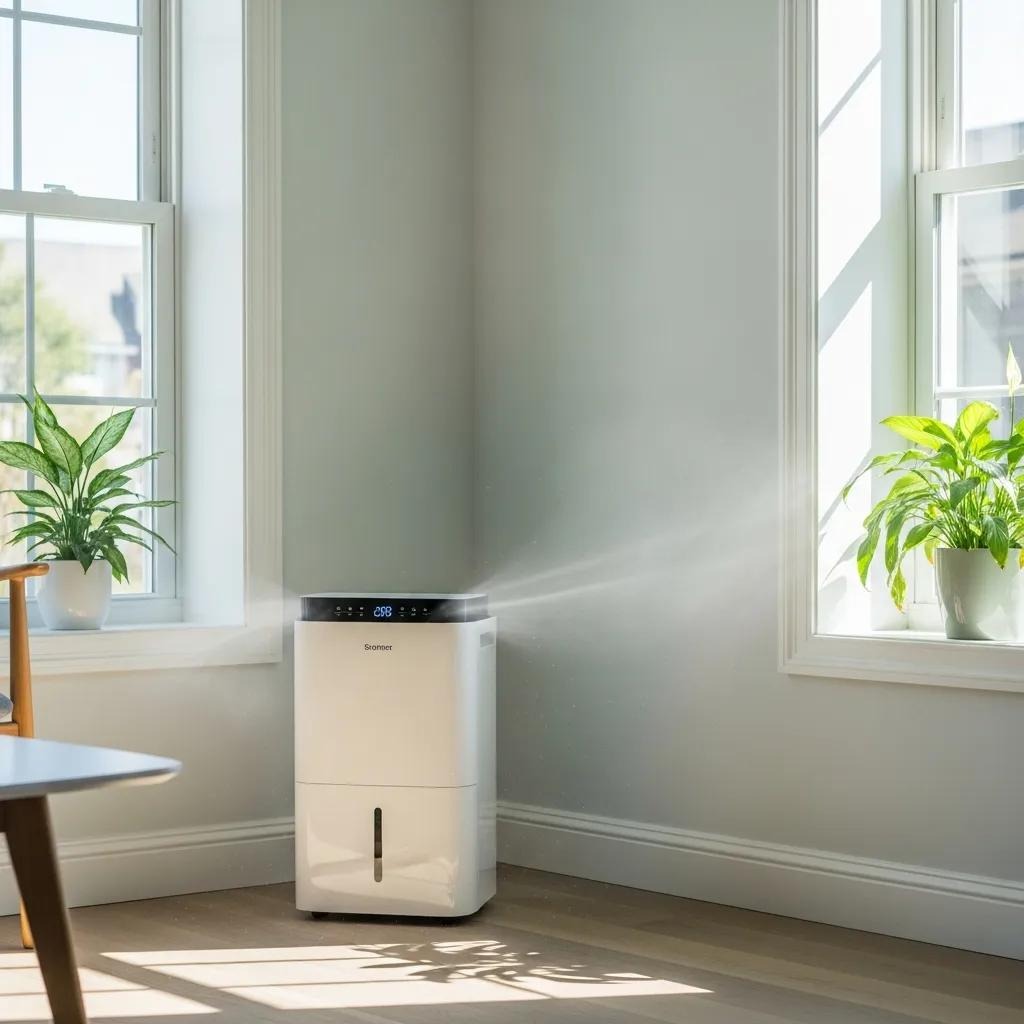
Dehumidifiers typically keep humidity below about 60%, which limits mold growth. Reducing indoor moisture makes the environment less hospitable to mold and mildew and can lower dust mite and allergen levels. Regular use can noticeably reduce the risk of mold-related health problems, including respiratory issues and allergies.
Dehumidifiers are commonly used in basements, crawlspaces, bathrooms, laundry rooms, and other spaces where humidity concentrates. There are two main practical styles: refrigerant (compressor) dehumidifiers, which cool incoming air to condense moisture, and desiccant dehumidifiers, which use moisture-absorbing materials. Refrigerant units are efficient in warmer conditions, while desiccant units often perform better at lower temperatures and in enclosed spaces. Understanding the environment where you will use the device helps you pick a system that will run reliably and with reasonable energy use.
Operational considerations include drainage options (a removable bucket that requires emptying versus a continuous drain connection), noise levels, and capacity relative to room size. For persistent moisture problems, pairing mechanical dehumidification with source control—fixing leaks, improving exterior grading, or adding ventilation—provides the best long-term results.
What Are the Energy Efficiency Considerations for Dehumidifier Use?
Energy efficiency is important when selecting a dehumidifier. Many modern units are designed to use less electricity; look for models that meet established efficiency standards. Running a dehumidifier alongside your HVAC can reduce the load on your air conditioner and improve overall energy performance during humid months.
To improve efficiency, place the dehumidifier in the area with the highest humidity and ensure doors and windows are closed while it runs. Use built-in humidistats or external controllers to avoid overworking the unit; set the target humidity to a comfortable level rather than an unnecessarily low value. Regular maintenance—cleaning coils, clearing the drip tray, and replacing or washing filters—keeps the unit operating at peak efficiency. For long-term basement use, consider a unit with a continuous drain and a condensate pump if gravity drainage is not available.
How to Choose Between a Humidifier and Dehumidifier for Your Home?
Choose based on your home's measured humidity and seasonal needs. A humidifier is useful in dry conditions or winter when heating dries the air. A dehumidifier is appropriate in high-humidity areas or during humid summers. Accurate humidity readings guide the right decision.
What Indoor Humidity Levels Indicate the Need for a Humidifier or Dehumidifier?
Target indoor humidity is generally between 30% and 50%. If your home stays below this range, a humidifier can add needed moisture. If humidity is above 50%, a dehumidifier will help remove excess moisture. Low-humidity signs include dry skin, static shocks, and respiratory discomfort. High-humidity signs include window condensation, musty odours, and mould growth.
Practical steps to decide:
- Measure: Use a digital hygrometer in several rooms and at different times to understand patterns (morning vs evening, upstairs vs basement). This helps us at Advance HAWS provide tailored recommendations.
- Assess sources: Identify activities or building issues that produce moisture (showers, drying laundry indoors, poor ventilation, leaks). Addressing these can reduce the need for mechanical intervention.
- Match solution to scope: For single-room issues, a portable unit may be sufficient. For whole-home needs, consider a whole-house humidifier or integrated dehumidification through the HVAC system. We assist in selecting the right scale for your home.
- Plan for seasons: In climates with cold, dry winters and hot, humid summers, homeowners often use humidifiers in winter and dehumidifiers in summer; consider storage or secondary systems to maintain comfort year-round. Our team can help you plan for these seasonal transitions.
How Does Local Climate in York, Lancaster, and Dauphin Counties, PA Affect Your Choice?
The local climate in York, Lancaster, and Dauphin Counties, PA influences the right choice. These areas experience hot, humid summers and cold, dry winters. Use a dehumidifier in summer to control moisture and a humidifier in winter to counteract dry indoor air from heating. Considering seasonal patterns helps you select the appropriate device.
When choosing equipment in this region, prioritize versatility and ease of maintenance. For many homes, a combination of targeted portable units and routine HVAC maintenance provides balanced results without excessive investment. If persistent humidity problems are localized to basements or crawlspaces, consult our professionals at Advance HAWS to evaluate drainage, insulation, and ventilation before relying solely on a mechanical solution.
How HVAC Maintenance Supports Effective Humidity Control in Your Home
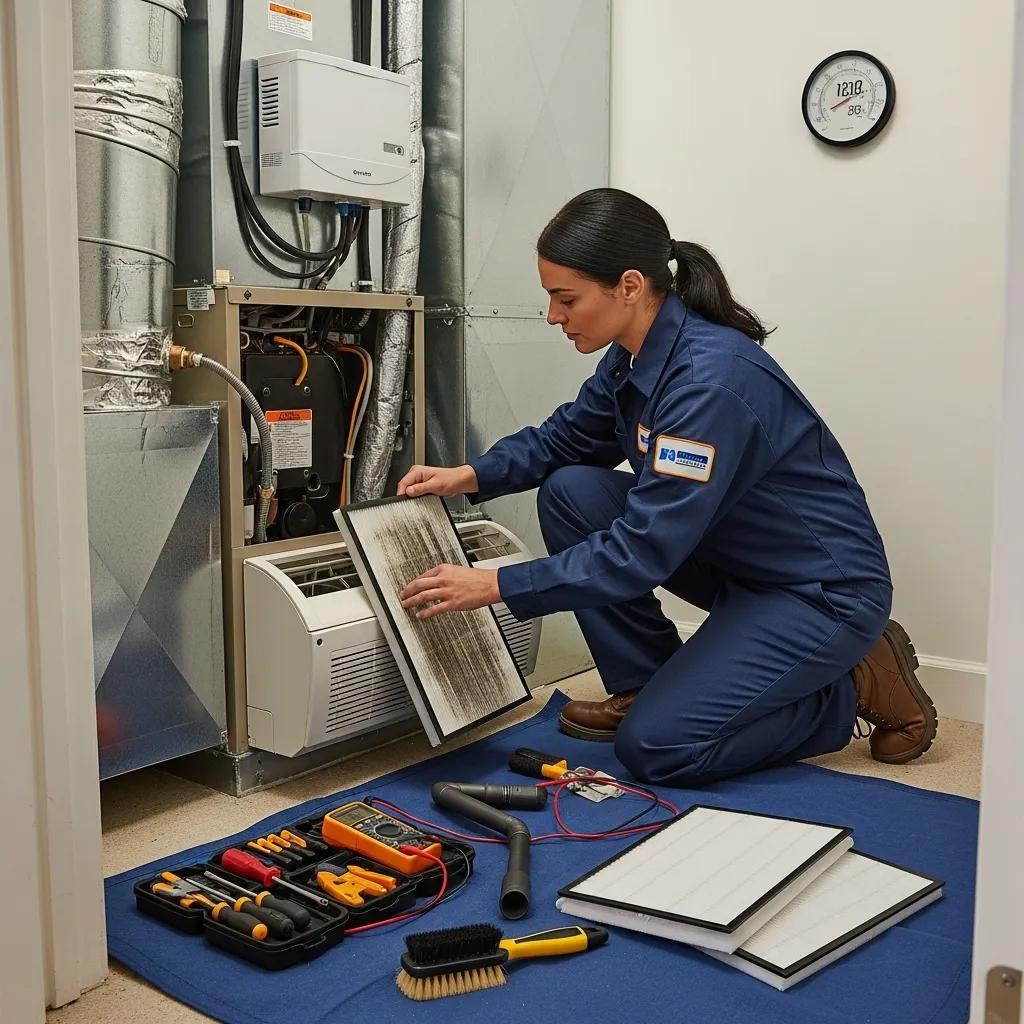
Routine HVAC maintenance is essential to control indoor humidity. A properly serviced system regulates temperature and humidity more efficiently. Typical maintenance tasks include checking and replacing filters, cleaning ducts, and confirming system components operate correctly.
Seasonal HVAC checklists that support humidity control include verifying refrigerant charge and coil cleanliness (which affect dehumidification), inspecting condensate drains, checking humidifier pads or cartridges if a whole-home humidifier is installed, and confirming that ventilation systems and exhaust fans operate properly. Smart thermostats and integrated controls can help manage humidity by scheduling HVAC run-times and coordinating with whole-house humidification or dehumidification equipment.
What Role Does HVAC System Maintenance Play in Managing Indoor Humidity?
Maintenance directly affects humidity control. Regular filter changes improve airflow and efficiency. Duct cleaning reduces dust and allergens. Proper calibration helps keep humidity steady throughout your home. Skipping maintenance can lead to poor performance, discomfort, and higher energy bills.
For homes with whole-house humidifiers or dehumidifiers tied into the HVAC system, annual service by a qualified technician ensures sensors and controls remain accurate and that supply and return paths are balanced. Our technicians at Advance HAWS can also advise on zoning adjustments to address persistent humidity differentials between levels or rooms. Effective maintenance reduces the likelihood of moisture-related failures and extends equipment life.
How Can Advance HAWS’s HVAC Services Enhance Your Home’s Humidity Balance?
Advance HAWS provides comprehensive HVAC services to help balance your home's humidity. Our team maintains and optimizes systems to run efficiently, performing routine tasks like filter changes and system checks to help you reach target humidity levels. With Advance HAWS, your home's humidity control is handled by experienced technicians focused on reliable results.
When you schedule a service visit with us, our technicians typically begin with a humidity assessment and visual inspection, test system operation under normal conditions, and recommend targeted steps—such as adding a whole-house humidifier, installing a dehumidifier, sealing duct leaks, or adjusting thermostat settings. We also provide guidance on simple homeowner actions like ventilating high-moisture rooms, using exhaust fans effectively, and following equipment cleaning routines to preserve indoor air quality between professional visits.
What Are the Health and Comfort Benefits of Proper Home Humidity Levels?
Keeping indoor humidity within the right range supports both health and comfort. Appropriate humidity levels affect breathing, skin condition, and overall well‑being.
How Does Balanced Humidity Improve Respiratory Health and Comfort?
Balanced humidity keeps airways moist and reduces irritation, which helps people with asthma or allergies. It makes breathing easier and can lower the chance of respiratory infections. Proper humidity also prevents dry skin and the general discomfort that comes with low moisture.
Balanced humidity can also improve sleep quality by reducing nasal dryness and throat irritation. Comfortable humidity levels may help protect against cracked skin, sore throats, and irritated eyes. For households with vulnerable occupants—such as infants, the elderly, or people with chronic respiratory conditions—monitoring and maintaining recommended humidity ranges can be a meaningful part of an overall indoor wellness strategy.
What Are the Risks of Improper Humidity Levels in Residential Spaces?
Improper humidity levels threaten both health and property. High humidity can promote mould growth and trigger respiratory and allergic reactions. Low humidity can cause dry skin, irritated sinuses, and greater vulnerability to colds. Excess moisture can also damage wooden furniture and structural elements, leading to costly repairs. These risks make balanced humidity an important priority.
Watch for warning signs and take practical steps: persistent condensation on windows, musty smells, visible mold, or peeling paint indicate excess moisture and should prompt investigation. Conversely, frequent static shocks, cracked wood, and sore throats suggest humidity is too low. Address root causes—ventilation, plumbing leaks, roof and foundation drainage—before relying solely on mechanical equipment. When in doubt, document humidity patterns and seek a professional assessment from Advance HAWS to determine the most appropriate, durable solution for your home.
Why Choose Advance HAWS for Your Home Humidity Control Solutions?
Choosing the right provider matters for effective humidity control. Advance HAWS serves York, Lancaster, and Dauphin Counties, PA with HVAC, plumbing, and water treatment solutions tailored to local needs.
What Makes Advance HAWS a Trusted Provider in York, Lancaster, and Dauphin Counties, PA?
Advance HAWS has earned a reputation for reliability and technical competence in the region. Our team is focused on delivering high-quality service and customer satisfaction. We understand local humidity challenges and work to provide practical, effective solutions for homeowners.
We pair local climate knowledge with practical experience in residential systems, helping homeowners choose appropriately sized equipment, integrate controls, and plan maintenance that keeps systems functioning efficiently year-round. Our approach is to evaluate each home’s unique conditions and recommend solutions that address immediate comfort concerns while reducing long-term risks to the property.
How Can You Request a Free Estimate and Schedule Service Online?
Requesting a free estimate and scheduling service with Advance HAWS is straightforward. Visit our website, complete the service request form, and our team will respond promptly. We offer flexible scheduling to meet your needs and help you maintain a comfortable, healthy home environment.
During the estimate, expect a technician to review existing equipment, take humidity measurements, and outline options with clear trade-offs for cost, maintenance, and expected results. Estimates typically include recommendations for immediate actions you can take as well as longer-term upgrades if needed. Clear communication and transparent pricing help you make an informed choice.
Take Control of Your Home’s Humidity with Advance HAWS Today
Don’t let improper humidity levels affect your comfort and health. Contact Advance HAWS to schedule a professional assessment and discover the best humidity control solutions for your home in York, Lancaster, and Dauphin Counties, PA. Our experienced technicians are ready to help you achieve a balanced, healthy indoor environment all year round. Schedule Your Service Now.
Customer Testimonials
Focus on enhancing the quality of your maintenance plan by ensuring all components are well-coordinated and efficient. This will lead to improved performance and longevity of your systems.