Water Filtration in Spry, PA

Homeowners in Spry, PA can ensure clean, safe drinking water through on-site testing and a variety of filtration solutions from Advance HAWS. Our services cover testing methods, common local water quality concerns, and guidance on selecting, installing, and maintaining systems—from whole-house filters to under-sink RO and UV units. The process addresses key contaminants such as lead, nitrates, VOCs, iron, and chlorine, while outlining installation steps, maintenance schedules, and certifications to consider. This helps families choose reliable, long-term water treatment solutions to maintain safety, quality, and taste at home.
Water Filtration in Spry, PA
Clean, reliable water is essential for every Spry, PA home. Whether your drinking water comes from a municipal supply or a private well, local factors—seasonal runoff from spring storms, agricultural activity in nearby areas, and aging plumbing in older neighborhoods—can affect water quality, taste, and safety. This page explains on-site water testing, the filtration options available in Spry, which contaminants they address, how systems are selected and installed, and what maintenance looks like so you can choose the right solution for your home.
Why on-site water testing matters in Spry homes
Before choosing a filtration system, an on-site water test identifies what’s actually in your water. Tests typically measure:
- pH and alkalinity
- Hardness (calcium and magnesium)
- Iron and manganese
- Chlorine and chloramines
- Nitrates and nitrites
- Lead and other heavy metals
- Total dissolved solids (TDS) and conductivity
- Bacteria (where appropriate for wells)
Local conditions in Spry—seasonal runoff, older distribution lines, and the presence of nearby agricultural land—mean results can vary even between neighboring properties. On-site testing avoids guesswork and ensures you get the specific treatment you need.
Common water quality issues in Spry, PA
- Metallic or bitter taste from iron, manganese, or older plumbing
- Chlorine taste or odor from municipal disinfection
- Hard water scaling on fixtures and appliances
- Cloudy or sediment-laden water after heavy rains or construction
- Elevated nitrates in shallow wells near agricultural areas
- Trace organics or VOCs in areas impacted by runoff
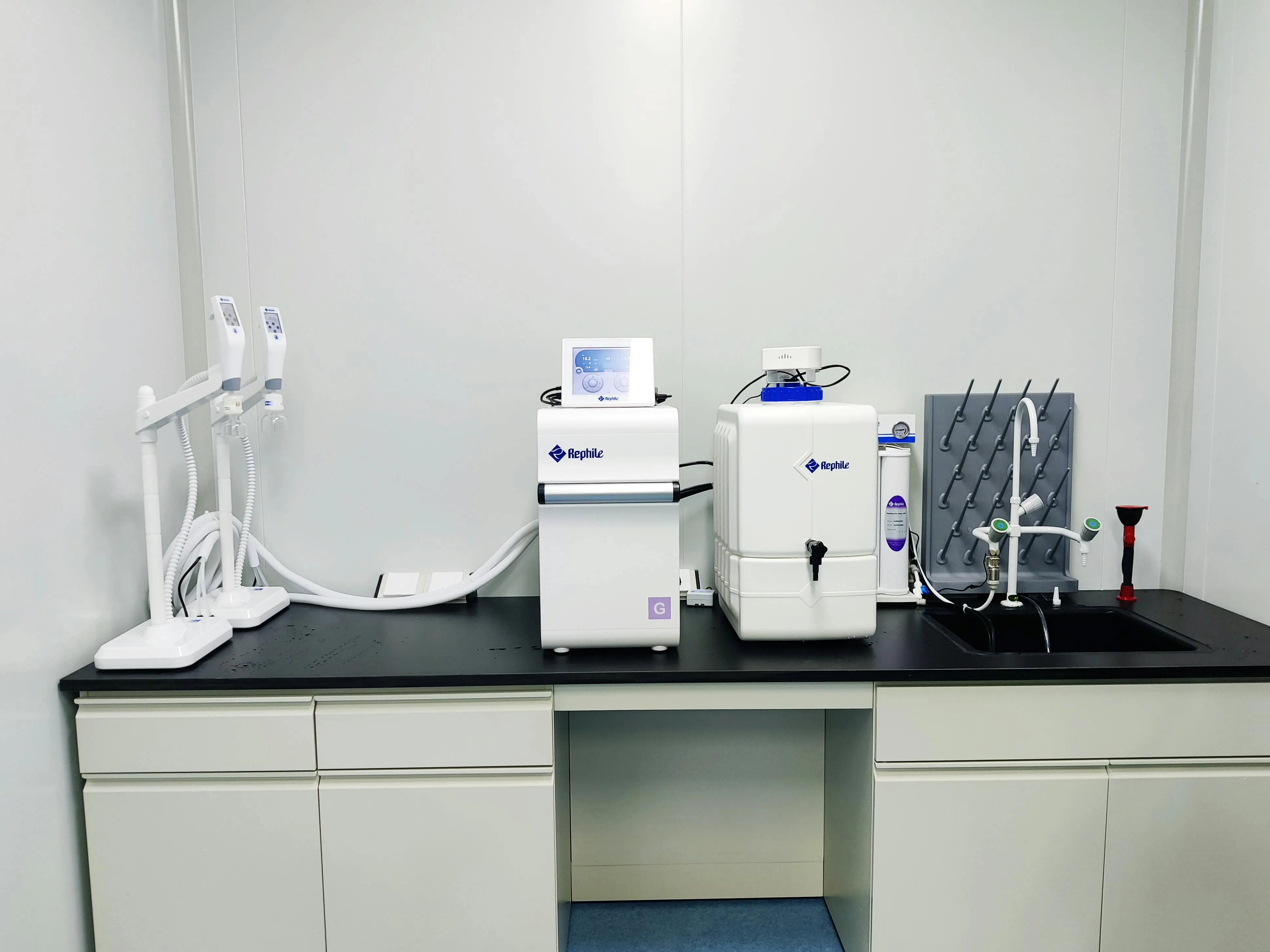
Filtration options explained
Below are the most common systems used in Spry homes, with what each does best.
- Whole-house (point-of-entry) systems
- Treat water at the main supply before it reaches taps, protecting plumbing, appliances, and showers.
- Typical uses: sediment reduction, whole-home carbon for chlorine and taste, water softening (ion exchange) for hardness reduction.
- Best for: homes with hard water, chlorine odor concerns, or visible sediment throughout the house.
- Under-sink filters
- Point-of-use systems installed under the kitchen sink to deliver filtered water to a dedicated faucet.
- Typical uses: carbon block cartridges for taste/odor and VOC reduction; compact setups for lead reduction.
- Best for: targeted drinking and cooking water improvements without whole-house installation.
- Reverse osmosis (RO) systems
- Multi-stage point-of-use systems that use a semi-permeable membrane to reduce dissolved solids, lead, nitrates, fluoride, and many other contaminants.
- Typical performance: can remove up to 90–99% of many dissolved contaminants when properly sized and certified.
- Best for: households wanting the highest level of dissolved contaminant reduction for drinking water.
- Carbon filters (granular or block)
- Effective at removing chlorine, chloramines (to varying degrees), tastes, odors, and many organic compounds.
- Commonly used in whole-house pre-filters and under-sink cartridges.
- Sediment filters
- Protect downstream systems by removing sand, rust, and particulate matter.
- Used as a first stage in whole-house and under-sink systems.
- UV disinfection
- Kills bacteria and viruses without chemicals; often used for well water where microbial contamination is a concern.
- Must be paired with filtration that removes turbidity so UV light can work effectively.
- Ion exchange (water softeners)
- Remove hardness minerals (calcium and magnesium) to prevent scaling and improve soap performance.
- Not a substitute for contaminant removal, so often paired with other filters.
Contaminants typically addressed
- Chlorine and chloramines (taste and odor)
- Lead and other heavy metals
- Iron and manganese (staining and metallic taste)
- Hardness minerals (scale buildup)
- Nitrates (well water vulnerability)
- Volatile organic compounds (VOCs) and some pesticides
- Sediment and turbidity
- Bacteria and microbial contaminants (with UV or certain carbon setups plus proper maintenance)
How system selection works
Choosing the right system for a Spry home depends on:
- Water test results — identification of target contaminants and concentrations.
- Point of use vs point of entry — whether you need whole-house protection or only drinking/cooking water improvement.
- Household size and water usage — flow rate needs for showers and appliances influence tank and filter sizing.
- Plumbing layout and space — available space under sinks or in basements influences installation choices.
- Long-term maintenance and replacement costs — different systems have different cartridge/membrane lifespans and upkeep.
- Certifications and performance — systems certified to NSF/ANSI standards offer verified contaminant reduction claims.
Typical installation process
- Initial site visit and on-site water testing to define contaminants and needs.
- System selection and placement planning (basement, utility closet, or under-sink).
- Pre-installation prep: shutoff, drain access, and mounting location.
- Installation: plumbing connections, mounting filters/tanks, and electrical hookup if needed (e.g., UV).
- Commissioning: flushing media, pressure checks, and post-installation water testing to verify performance.
- Walkthrough on maintenance and replacement schedules for homeowner awareness.
Maintenance schedules and cartridge replacement
Proper maintenance keeps systems performing as certified:
- Sediment and carbon cartridges: typically replaced every 6–12 months, depending on water quality and usage.
- RO pre-filters and post-filters: usually replaced every 6–12 months; RO membranes typically every 2–3 years.
- Whole-house carbon tanks: carbon longevity depends on load; periodic testing and media replacement every 1–3 years is common.
- Water softener resin: resin may last many years with proper regeneration; salt should be checked monthly.
- UV lamps: replaced once per year for reliable disinfection.
- Annual checkups: recommended for system inspection, pressure and leakage checks, and performance testing.
Always follow manufacturer guidance and use replacement parts certified to relevant standards.
Certifications and realistic performance claims
Look for systems and replacement cartridges certified by recognized bodies:
- NSF/ANSI 42 (aesthetic effects: chlorine, taste, odor)
- NSF/ANSI 53 (health effects: lead, cysts, VOCs)
- NSF/ANSI 58 (reverse osmosis systems)
- NSF/ANSI 61 (materials safety for drinking water system components)Certified systems provide verified reduction levels. Performance depends on correct sizing, installation, and maintenance; expect many RO systems to reduce dissolved contaminants by up to 90–99% for targeted substances, and carbon systems to remove chlorine and improve taste effectively when replaced on schedule.
Health, convenience, and taste benefits for Spry homeowners
- Improved drinking water taste and odor, making tap water preferable to bottled options.
- Reduced exposure to certain health-related contaminants like lead, nitrates, or VOCs when those are present.
- Extended lifespan and better efficiency of water-using appliances by reducing scale and sediment.
- Cleaner showering and laundry results with fewer mineral stains or residue.
- Peace of mind for households on private wells, and targeted solutions for homes on municipal supplies affected by taste or distribution issues.
Regular testing, correct system selection, and timely maintenance ensure the water system you choose continues to protect health and preserve taste over time. For Spry residents, an on-site assessment plus a tailored combination of sediment, carbon, softening, RO, or UV treatment often delivers the best balance of performance, reliability, and long-term value.
Customer Testimonials
Focus on enhancing the quality of your maintenance plan by ensuring all components are well-coordinated and efficient. This will lead to improved performance and longevity of your systems.