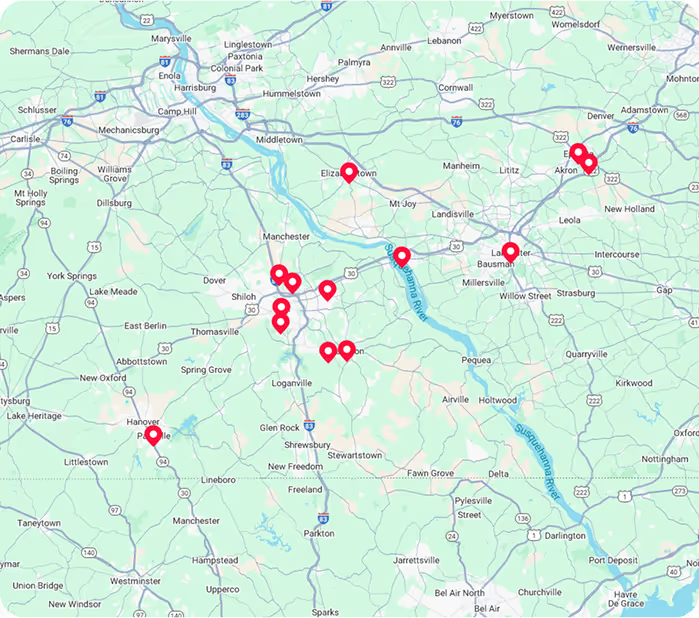
Water Filtration in Lancaster, PA

Dealing with water quality concerns in Lancaster, PA? Advance HAWS is here to help homeowners address issues with municipal or private well water through on-site testing, expert system selection, and professional installation. We identify common local contaminants like nitrates, hardness, iron, manganese, lead, PFAS, and microbial issues, then explain solutions like whole-house, point-of-use, RO, UV, and specialty filters. Our overview covers installation steps, maintenance schedules, and long-term benefits, always emphasizing proper testing, the right system choice, and regular upkeep to protect your health, appliances, and overall water quality.
Water Filtration in Lancaster, PA
If your home in Lancaster, PA has cloudy water, metallic taste, staining, or you worry about well contamination, a tailored water filtration solution can restore safety, improve taste, and protect plumbing and appliances. Whether you live in the city, a borough, or a rural property on a private well, understanding which system fits your water profile and household needs is critical. This page explains how water testing, system selection, installation, and ongoing maintenance work specifically for Lancaster homes so you can make a confident, informed decision.
Why water filtration matters in Lancaster, PA
Lancaster County has a mix of municipal and private well sources. Local factors that influence water quality include:
- Agricultural runoff that can increase nitrates, pesticides, and herbicides in well water.
- Naturally occurring minerals from limestone bedrock that cause hard water, iron, and manganese staining.
- Older homes with legacy plumbing that may introduce lead or copper into drinking water.
- Occasional microbial contamination in wells, especially after heavy rainfall or flooding.
- Emerging contaminants such as PFAS that have been detected in parts of Pennsylvania.
These issues affect health, appliance life, laundry, and water taste. A targeted filtration system addresses the specific contaminants found in your home, not just general water quality.
Common water filtration solutions for Lancaster homes
- Whole-house systems (point-of-entry): Treat all water entering the home to remove sediment, reduce hardness, eliminate chlorine taste, and address iron or manganese. Best when you want scale reduction, cleaner laundry, and protection for water-using appliances.
- Point-of-use filters: Under-sink or countertop units for drinking and cooking water. Typically use activated carbon to improve taste and remove chlorine, lead, and many organic compounds.
- Reverse osmosis (RO) units: Provide high-purity drinking water by removing dissolved solids, nitrates, fluoride, and many other contaminants. Commonly installed under the kitchen sink.
- UV disinfection: Kills bacteria and viruses in private well water without chemicals. Often paired with other filtration stages.
- Specialty filters: Iron or manganese-specific media, sediment filters for high turbidity wells, and carbon block or catalytic filters for VOCs and pesticides.
- Water softeners: While not filtration in the strict sense, softeners reduce hardness (calcium and magnesium) and are often combined with filtration systems when scale or soap scum is a problem.
Water testing and contaminant identification
Choosing the right system starts with a comprehensive water test. For Lancaster properties, prioritize testing for:
- Hardness, iron, and manganese
- Bacteria (total coliform and E coli) for wells
- Nitrates and nitrites
- Lead and copper, especially in older plumbing
- pH and total dissolved solids (TDS)
- Volatile organic compounds (VOCs) and pesticides if near agricultural areas
- PFAS screening where there is known local concern
Testing options range from basic kits to certified laboratory analysis. A lab test provides precise contaminant levels and helps determine which filtration technologies will be most effective.
How system selection works
System selection is based on:
- Test results and contaminant concentrations
- Source: municipal vs private well
- Household size and daily water usage
- Plumbing layout and space for equipment
- Desired flow rates and whole-house vs point-of-use coverage
- Maintenance willingness and filter replacement preferences
For example, a rural well with hard water and occasional coliform detection may need a sediment pre-filter, iron/manganese media, a UV disinfection unit, and a dedicated RO system at the kitchen sink. A city home with chlorine taste and occasional lead risk might choose a whole-house carbon filter plus under-sink RO for drinking water.
Typical installation process
- Site assessment: Technician reviews plumbing access, available space, and water pressure. For Lancaster homes, this includes evaluating basement or utility-room locations and protection from freezing for exterior equipment.
- Pre-installation testing: Confirmatory tests to finalize system sizing and media selection.
- Equipment placement and plumbing connections: Whole-house tanks are installed at the point where water enters the home; RO and point-of-use systems are installed at the sink or countertop.
- Commissioning: System is flushed, flow rates verified, and homeowners are shown basic operation.
- Documentation: Filter types, expected replacement intervals, and maintenance steps are recorded for your records.
Installation timelines typically range from a few hours for point-of-use systems to a day for whole-house configurations, depending on complexity.
Maintenance and filter replacement schedules
Maintenance frequency depends on water quality and usage. Typical schedules include:
- Sediment pre-filters: replace every 3 to 6 months when turbidity or sediment load is high
- Activated carbon cartridges: replace every 6 to 12 months for drinking water applications
- Reverse osmosis membranes: replace every 2 to 5 years depending on feed water quality and pre-filtration
- UV lamps: replace annually to maintain effective disinfection
- Media beds (iron, catalytic carbon): service or regenerate per manufacturer guidance, often every 6 to 24 months
- Periodic system inspections: annual checks for valves, pressure, and any signs of leaks or scaling
Keep service records and test drinking water annually, and more often for private wells or after flooding events.
Health, taste, and home benefits
- Health: Removing bacteria, nitrates, lead, and other harmful contaminants reduces exposure risks, particularly for infants, pregnant women, and immunocompromised household members.
- Taste and odor: Carbon filtration and RO dramatically improve flavor by removing chlorine, sulfur, and organic compounds.
- Appliance protection: Reducing hardness and iron extends the life of water heaters, dishwashers, and plumbing by reducing scale and staining.
- Housekeeping: Less scale and mineral stains on fixtures and textiles makes cleaning easier and preserves fabrics.
Service plans and long-term value
Service plans typically bundle routine filter replacements, annual inspections, and priority scheduling for repairs. For Lancaster homeowners, a plan that includes periodic water retesting is beneficial because agricultural runoff and seasonal changes can alter well water quality.
Investing in the right filtration system often pays off through reduced appliance repairs, better laundry and dishwashing results, and improved overall health and quality of life. When choosing a plan, compare coverage for parts, labor, emergency service, and testing frequency to match your household needs.
Final considerations for Lancaster, PA homes
- Well owners should test at least annually and after major storms or changes in taste or appearance.
- Homes with older plumbing should include lead and copper testing and consider point-of-use solutions for drinking water.
- Protect outdoor filtration equipment from freezing in winter and from direct sunlight in summer to preserve performance.
- Consider combined systems: whole-house filtration for scale and sediment plus under-sink RO for drinking water yields comprehensive protection.
Choosing a water filtration solution for your Lancaster home means basing decisions on accurate testing, local conditions, and realistic maintenance plans. A properly selected and maintained system delivers safer, better-tasting water and protects your home and family for years to come.
Customer Testimonials
Focus on enhancing the quality of your maintenance plan by ensuring all components are well-coordinated and efficient. This will lead to improved performance and longevity of your systems.