Water Filtration in Dallastown, PA

Water filtration in Dallastown, PA helps homeowners select the right system through on-site testing and comparisons of whole-house, under-sink, RO, carbon, and UV options, along with guidance on installation and ongoing maintenance. Our services address local water quality factors, contaminant removal capabilities, and certification standards to ensure reliable performance. We emphasize test-driven system selection, proper equipment placement, and scheduled filter changes to protect health, appliances, and water taste, providing long-term, dependable drinking-water quality for a variety of household needs.
Water Filtration in Dallastown, PA
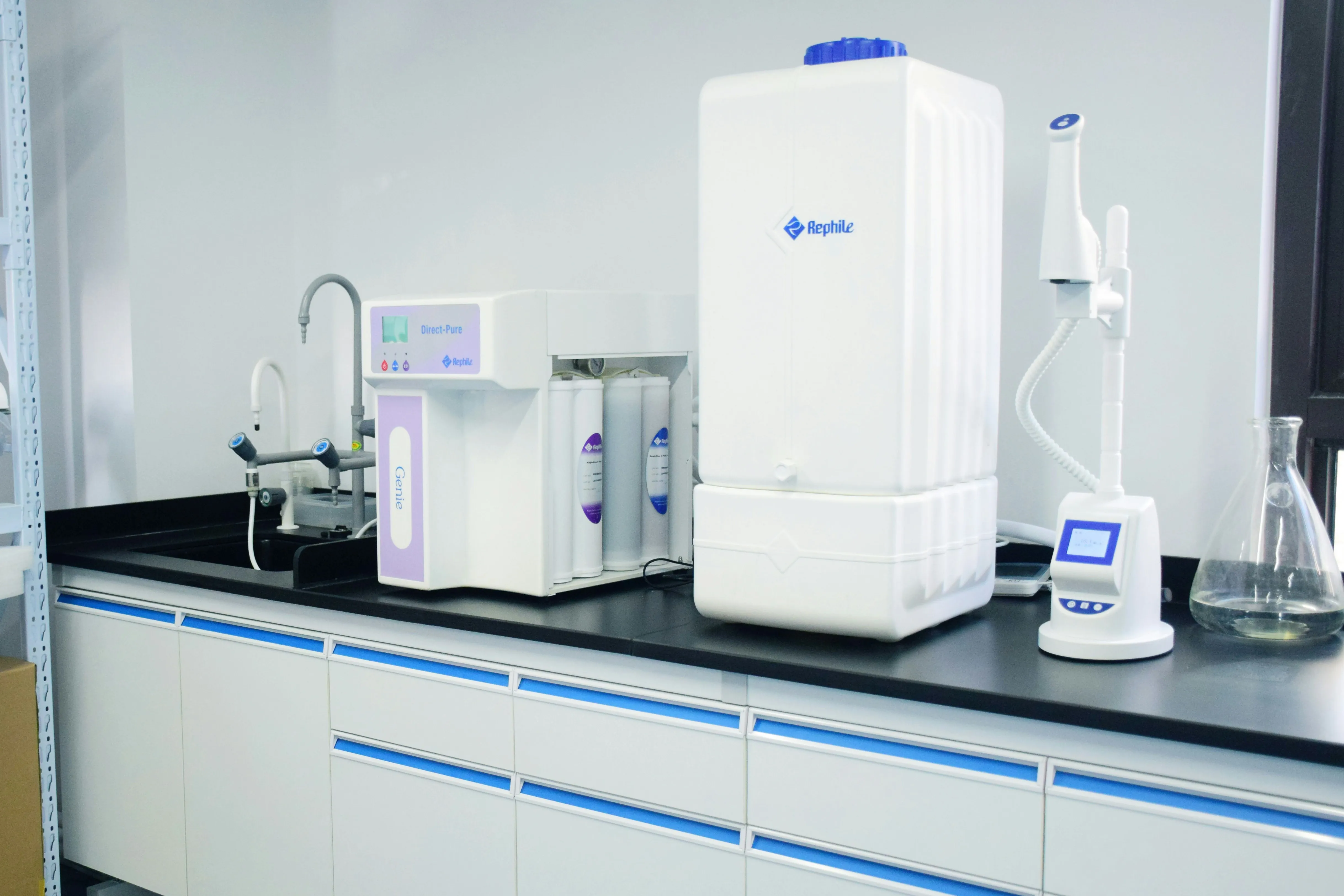
Clean, safe, and great-tasting water matters for drinking, cooking, and protecting household systems. For homeowners in Dallastown, PA, choosing the right water filtration solution starts with understanding local water sources, common contaminants, and how different systems perform. This page outlines on-site testing, compares system types (whole-house, under-sink, reverse osmosis, carbon), explains contaminant removal capabilities, and walks through installation and maintenance so you can make an informed, confident decision for your home.
Why water filtration matters in Dallastown, PA
Dallastown sits in York County where properties draw water from municipal supplies or private wells. Local factors that influence water quality include:
- Seasonal runoff from agricultural areas contributing nitrates and pesticides to groundwater.
- Hard water common in much of southeastern Pennsylvania, causing scale buildup in appliances.
- Older plumbing and local infrastructure that can increase lead risk in some homes.
- Municipal chlorine or chloramine used for disinfection, which can affect taste and odor.
Addressing these issues with the right filtration protects your family’s health, improves taste, and extends the life of water-using appliances.
On-site water testing: the first step
Proper system selection begins with accurate testing. On-site water testing for Dallastown homes typically includes:
- Basic in-field tests: pH, total dissolved solids (TDS), hardness, turbidity, and chlorine levels.
- Targeted lab tests: lead, nitrates, iron, manganese, coliform bacteria, VOCs, pesticides, and specific industrial contaminants if suspected.
A thorough test involves collecting representative samples, analyzing them under controlled conditions, and reviewing results with homeowner priorities (drinking water vs whole-house treatment, baby or immune-compromised household members, well vs municipal source).
System types and how they compare
Below are common filtration systems, what they remove, and when they make sense for Dallastown homes.
- Whole-house filters (point-of-entry)
- Purpose: Treat all water entering the home to protect plumbing, appliances, and provide filtered water at every tap and shower.
- Typical components: sediment prefilter, carbon filter, optional iron removal, and sometimes water softening.
- Removes: sediment, chlorine/chloramine (with carbon), some VOCs, iron (with specialized media).
- Best for: homes with hard water, sediment issues, strong chlorine taste/odor, or iron staining.
- Under-sink filters (point-of-use)
- Purpose: Provide treated water only to a specific faucet (usually kitchen).
- Removes: chlorine, taste and odor, sediment, some lead, and specific VOCs depending on media.
- Best for: households prioritizing drinking and cooking water without whole-house upfit.
- Reverse osmosis (RO) systems
- Purpose: Highly effective point-of-use system for removing dissolved solids.
- Removes: up to 95-99% of dissolved salts, lead, nitrates, fluoride, many VOCs, and some pesticides. Requires prefiltration for sediment and carbon for chlorine.
- Best for: wells with high TDS, households needing near-purified drinking water, or when specific contaminants are present.
- Carbon filtration (activated carbon)
- Purpose: Adsorbs chlorine, chloramine, bad tastes and odors, many VOCs, and some pesticides.
- Types: granular activated carbon (GAC) and carbon block.
- Best for: municipal water with chlorine taste or odor concerns; often paired with other systems for comprehensive protection.
- UV disinfection (added as needed)
- Purpose: Kills bacteria and viruses without chemicals.
- Best for: private wells or cases where lab tests show bacterial contamination; often combined with filtration for particle removal first.
Matching system to household needs
Choose a solution based on test results and lifestyle factors:
- Private well with iron, manganese, or bacteria: consider sediment removal, iron-specific media, and a UV disinfection stage.
- Municipal supply with chlorine taste or odor: a whole-house carbon filter reduces smell and protects fabrics and fixtures; under-sink carbon can deliver drinking-quality water.
- High TDS or specific dissolved contaminants: under-sink RO for drinking water, potentially combined with a whole-house softener to protect appliances.
- Concerns about lead or health-sensitive occupants: NSF/ANSI-certified point-of-use systems rated for lead reduction, plus corrosion control where needed.
Certification standards and what they mean
Look for recognized certifications to ensure performance claims are validated:
- NSF/ANSI 42: Aesthetic effects like taste and odor reduction.
- NSF/ANSI 53: Health-related contaminant reduction (lead, cysts, VOCs).
- NSF/ANSI 58: Reverse osmosis systems.
- NSF/ANSI 401: Emerging contaminants.
- NSF/ANSI 61: Drinking water system components safety.
- Water Quality Association (WQA) Gold Seal: third-party verification of manufacturer claims.
Certified systems provide predictable contaminant reduction when maintained properly.
Installation and ongoing maintenance
Installation should follow manufacturer guidelines and account for Dallastown’s seasonal conditions:
- Location considerations: indoor installations are preferred to avoid freeze risk. If equipment must be outside, insulated housings and freeze protection are required.
- Typical installation steps: assess supply line, prefilter and pressure considerations, mount tanks or housings, connect drain for RO, and test output water.
- Maintenance and filter replacement schedules:
- Sediment prefilters: replace every 3-6 months, more often with well water or visible turbidity.
- Carbon filters: 6-12 months depending on usage and contaminant load.
- RO membranes: 2-4 years, variable with feed water quality.
- UV lamps: replace annually; keep quartz sleeve clean.
- Water softener resin: service point salt checks monthly; resin replacement typically 10-15 years.
Keeping a maintenance log and servicing on schedule preserves performance, certifications, and warranty coverage.
Health, home, and appliance protection benefits
Proper filtration in Dallastown homes delivers measurable benefits:
- Health: reduces exposure to lead, nitrates, bacteria (when combined with UV), and certain VOCs — mitigating risks especially for children and vulnerable adults.
- Taste and odor: removes chlorine and organic compounds that cause unpleasant water flavor or smell.
- Appliance longevity: reduces scale and sediment that shorten lifespans of water heaters, dishwashers, and coffee makers.
- Aesthetics and cleanliness: prevents staining from iron and manganese and improves laundry and dish results.
- Peace of mind: tested, certified systems provide documented contaminant reduction aligned with local water quality needs.
Final considerations for Dallastown homeowners
Selecting the right water filtration system begins with accurate water testing and clear priorities: whole-house protection vs. drinking-water focus, municipal vs. well supply, and specific contaminants of concern. Certified filtration technologies—combined thoughtfully and maintained on schedule—offer reliable contaminant reduction, better-tasting water, and protection for plumbing and appliances suited to Dallastown’s local conditions.
If your household has unique needs (young children, immune-compromised residents, or well-water complexities), prioritize lab testing and systems certified for the specific contaminants identified. Regular maintenance and certified components ensure consistent performance year after year.
Customer Testimonials
Focus on enhancing the quality of your maintenance plan by ensuring all components are well-coordinated and efficient. This will lead to improved performance and longevity of your systems.