Water Filtration in Columbia, PA

Columbia, PA residents can improve water quality and taste through targeted testing and customized filtration solutions from Advance HAWS. We address common local challenges—such as hard water, iron, nitrates, chlorine, and well contamination—with testing guiding your choice between whole-home systems and point-of-use options. Our process includes installation steps, maintenance schedules, and flexible plan options to fit different budgets. Proper system selection and ongoing upkeep help households enjoy safer water, longer appliance life, and better comfort for drinking, cooking, bathing, and laundry.
Water Filtration in Columbia, PA
Clean, reliable water is essential for cooking, drinking, bathing, and protecting your plumbing and appliances. In Columbia, PA, where older homes, municipal supplies, and private wells intersect with agricultural runoff and Susquehanna River influences, targeted residential water filtration brings measurable improvements in taste, safety, and home system longevity. This page explains how professional water quality testing and the right filtration system can address the specific water challenges Columbia homeowners face.
Common water issues in Columbia, PA homes
- Hard water: Lancaster County geology often produces hard water that causes scale on fixtures, reduces appliance efficiency, and leaves soap scum on dishes and skin.
- Sediment and turbidity: Seasonal storms and river influences can increase sediment in wells and some municipal lines, leading to cloudy water and clogged fixtures.
- Iron and manganese: Naturally occurring in local groundwater, these minerals cause staining, metallic taste, and can affect laundry and appliances.
- Chlorine and disinfection byproducts: Municipal disinfection improves safety but can cause taste and odor complaints.
- Nitrates and agricultural contaminants: In more rural parts of Columbia and surrounding farmland, nitrates and pesticides from runoff are concerns for private wells.
- Lead and aging plumbing: Older homes may still have lead solder or outdated service lines that require point-of-use protection.
- Biological contamination: Private wells can occasionally test positive for coliform bacteria, particularly after flooding or heavy rain events.
Water quality testing: the foundation for the right system
Proper system selection starts with a comprehensive water test. A standard residential panel for Columbia homes should include:
- pH, hardness (mg/L or grains per gallon), and total dissolved solids (TDS)
- Iron, manganese, and sulfur (rotten-egg odor)
- Chlorine and chloramine residuals
- Nitrates and nitrites
- Lead and other heavy metals
- Coliform bacteria and E. coli
- VOCs and pesticides when agricultural exposure or old industrial sites are possible
Testing can be done on-site for immediate parameters and through certified labs for detailed analysis. Results guide whether you need whole-home protection, point-of-use filtration, disinfection, or a combination.
Filtration options explained
- Whole-home filtration (point-of-entry)
- Purpose: Protects every faucet and appliance by treating water at the main line.
- Best for: Sediment, chlorine taste/odor, iron removal, and as a pre-treatment before softeners or RO systems.
- Common components: sediment filters, activated carbon media, oxidizing filters for iron.
- Water softeners
- Purpose: Remove hardness minerals (calcium, magnesium) using ion exchange or salt-free conditioners.
- Best for: Reducing scale build-up, improving soap performance, and protecting water heaters and dishwashers.
- Under-sink point-of-use filters
- Purpose: Improve drinking and cooking water quality at a single faucet.
- Best for: Lead, chlorine taste, VOCs, and localized solution without whole-house expense.
- Typical tech: Certified carbon blocks or multi-stage cartridges.
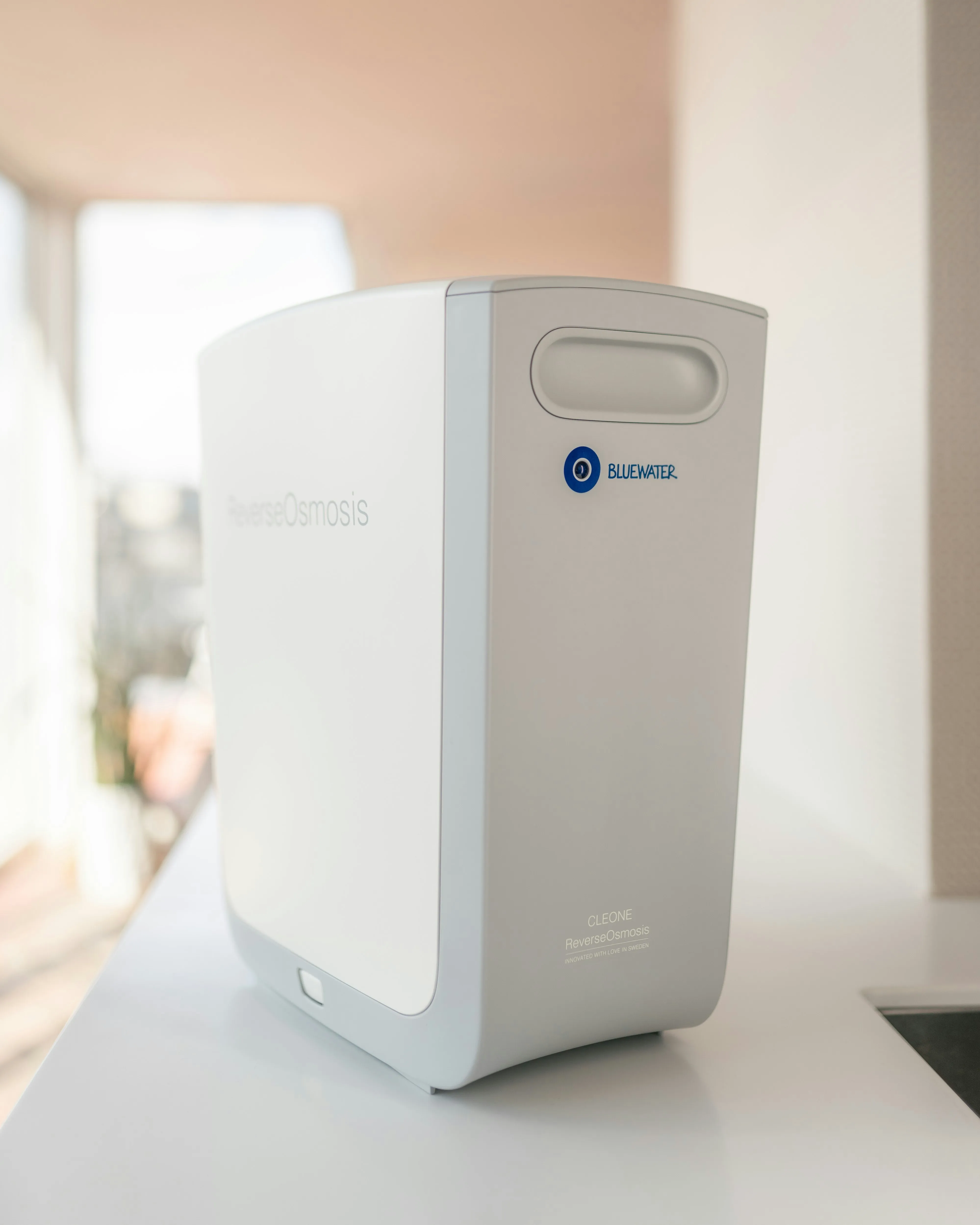
- Reverse osmosis (RO) systems
- Purpose: Highly effective at removing dissolved solids, nitrates, fluoride, lead, and many chemicals.
- Best for: Private wells with elevated nitrates, households seeking bottled-water quality at the tap.
- Consideration: Produces wastewater and often paired with a dedicated faucet and pre-filters.
- UV disinfection
- Purpose: Inactivates bacteria and viruses without chemicals.
- Best for: Well water with recurrent bacterial positives or as part of a multi-barrier solution.
- Specialized filters for iron, manganese, and sulfur
- Purpose: Oxidation and filtration media convert dissolved iron and manganese to particulate form for removal, and specific oxidizing catalysts address hydrogen sulfide odor.
Selecting the right system based on test results
- Municipal water with chlorine but low hardness: Activated carbon whole-house or under-sink carbon is often sufficient to improve taste and odor.
- High hardness with moderate mineral content: A water softener plus sediment pre-filter will extend appliance life and improve cleaning.
- Elevated nitrates, fluoride, or lead at the kitchen tap: Point-of-use RO with certified stages is recommended; lead may require NSF-certified cartridges rated for lead removal.
- Iron or manganese above acceptable levels: Oxidizing media filters or catalytic carbon systems sized to your flow rates are appropriate.
- Bacterial contamination in wells: Shock chlorination is often an initial step, followed by continuous UV disinfection and regular bacterial monitoring.
Typical installation process
- On-site assessment: Walk-through to locate main lines, measure space, and confirm water source and pressure.
- Sample collection and lab testing: Collect required samples and await results that guide equipment selection.
- System design and parts selection: Choose appropriate sizing, filters, and pre-treatment components.
- Installation day: Shut off main water, cut in valves, mount tanks or housings, make plumbing connections, and install any dedicated RO or point-of-use faucets.
- Commissioning and testing: Flush new systems, test for leaks, and verify water quality improvements.
- Homeowner orientation: Review maintenance needs, filter locations, and any monitoring steps.
Installations typically take a few hours for under-sink units and a day for whole-home systems, depending on complexity and any plumbing modifications.
Maintenance and filter replacement schedules
- Sediment and carbon pre-filters: Replace every 3 to 12 months depending on loading.
- RO membranes: Replace approximately every 2 to 5 years based on feed water quality and usage.
- UV lamp: Replace annually to maintain disinfection effectiveness.
- Water softener resin: Resin typically lasts many years; annual checks and brine tank maintenance required.
- Whole-house media: Media life varies; catalytic carbon and oxidizing media are commonly inspected annually and replaced on a performance schedule.
- Annual water test: Recommended to ensure systems continue to meet targets and to detect seasonal changes, especially for private wells after heavy rains or flooding.
Health, taste, and home benefits
- Improved drinking water taste and odor for cooking and beverages.
- Reduced exposure to contaminants like lead, nitrates, and certain VOCs that pose long-term health risks.
- Softer water improves skin and hair condition, reduces soap usage, and prevents scale build-up on fixtures and in appliances.
- Cleaner clothes and fewer fabric wear issues due to mineral deposits.
- Extended lifespan and improved efficiency of water heaters, dishwashers, and washing machines.
Service plans and financing options
Many homeowners choose ongoing service plans that include scheduled filter changes, annual inspections, and priority maintenance. Financing or payment plans are commonly available for larger whole-home systems to spread installation costs over time. Look for systems and service offerings that include certification to NSF/ANSI standards and clear maintenance agreements.
Summary
Water Filtration in Columbia, PA starts with precise testing and a system tailored to your water source, household needs, and local factors like river influence, agricultural runoff, and older plumbing. Whether you need a point-of-use RO for kitchen water, a whole-house filter to protect appliances, a softener for hard water, or UV protection for well water, the right combination restores taste, safeguards health, and protects your home. Regular maintenance and annual testing keep systems performing at peak levels and adapt protection to seasonal and local changes.
Customer Testimonials
Focus on enhancing the quality of your maintenance plan by ensuring all components are well-coordinated and efficient. This will lead to improved performance and longevity of your systems.