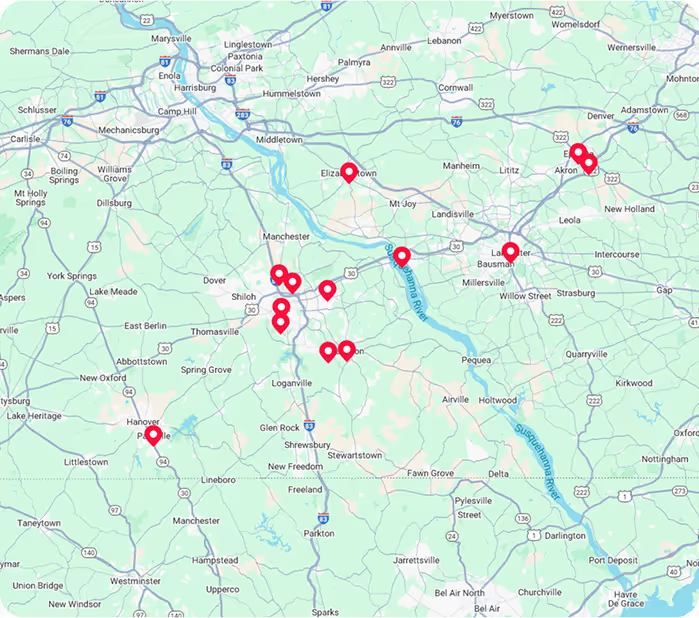
HVAC Service in East York, PA

East York HVAC services provide comprehensive support for both residential and commercial properties, including repair, preventive maintenance, installation, and emergency response. We address common equipment issues, explain our diagnostic procedures, and offer transparent repair options, always emphasizing safety, code compliance, and clear communication. For installations, we consider equipment sizing, duct evaluation, and system commissioning, while our emergency scheduling, warranties, and maintenance strategies help extend your system's life. Our Advance HAWS technicians focus on resolving issues efficiently, maintaining comfort and air quality, and helping you determine when repair or replacement is truly the best solution.
HVAC Service in East York, PA
Keeping your heating, ventilation, and air conditioning system running reliably is essential in East York, PA. With hot, humid summers and cold, snowy winters, local homes and businesses rely on properly functioning HVAC equipment year round. This page explains the full scope of HVAC service in East York, PA — repair, maintenance, installation, and emergency response — so you can make informed decisions about protecting comfort, indoor air quality, and equipment life.
What we cover: residential and commercial HVAC service in East York, PA
Our HVAC service scope addresses the needs of both homes and businesses in East York and surrounding neighborhoods. Common service categories include:
- HVAC repair in East York: Furnaces, boilers, central air conditioners, heat pumps, ductless mini-splits, rooftop units, and commercial HVAC equipment.
- Preventive HVAC maintenance: Seasonal tune ups, filter replacement, coil cleaning, safety checks, and efficiency optimization.
- HVAC installation and replacement: System sizing, removal of old equipment, ductwork assessment and repair, thermostat upgrades, and new system commissioning.
- Emergency HVAC service East York: Rapid response to no-heat or no-cool emergencies, refrigerant leaks, electrical faults, and safety issues such as carbon monoxide concerns.
- Indoor air quality solutions: Air purifiers, humidifiers, dehumidifiers, UV germicidal lights, and duct cleaning to manage pollen, mold, and humidity that are common in this region.
Certified technicians and brands serviced
Technicians hold industry-recognized certifications such as NATE and EPA 608 for refrigerant handling. They are trained in diagnostic best practices and safe repair procedures. We service most major HVAC brands commonly used in the area, including Trane, Carrier, Lennox, Rheem, Goodman, York, and others. Technicians provide clear explanations of faults, options for repair versus replacement, and documentation of recommended work.
Common HVAC issues in East York, PA
Local climate and building stock lead to recurring problems homeowners and property managers see most often:
- Reduced cooling capacity or short cycling during humid summers due to dirty coils or low refrigerant.
- Hard-starting or non-starting furnaces as systems age and winter temperatures drop.
- Duct leakage and poor airflow in older homes, producing uneven heating or cooling and higher energy bills.
- Thermostat calibration issues and outdated controls that prevent efficient operation.
- Moisture-related problems such as mold in ducts or high indoor humidity that affects comfort and air quality.
Diagnostic process and transparent repairs
Effective repairs begin with a structured diagnostic process:
- Initial assessment: Review of symptoms, recent history, and any safety concerns such as strange odors or suspected gas leaks.
- System inspection: Visual and instrument checks of electrical components, refrigerant pressures, burners, heat exchangers, airflow, and ductwork.
- Diagnosis and options: Clear summary of findings with described repair steps, parts needed, estimated timeline, and whether replacement is a better long-term option.
- Repair and testing: Authorized parts replacement, system calibration, leak testing, and performance verification to ensure the equipment meets expected output.
- Documentation: Written service report including work performed, component serial numbers, and maintenance recommendations.
Technicians prioritize safety and code compliance. Where permits or inspections are required for system replacement or gas line changes, the process and requirements are explained.
HVAC installation and replacement considerations
When a system reaches the end of its useful life or recurring repairs become costly, proper replacement restores comfort and efficiency:
- Load calculation: Proper sizing using industry-standard Manual J and Manual D assessments to avoid oversizing or undersizing.
- Ductwork evaluation: Recommendations for sealing, insulation, or redesign if duct inefficiencies are identified.
- Equipment selection: Guidance on system types such as high-efficiency heat pumps for milder transition seasons, two-stage compressors for comfort, or rooftop units for commercial spaces.
- Commissioning: Start-up procedures, thermostat programming, and homeowner orientation so systems operate as intended from day one.
Emergency response and scheduling options
Emergency HVAC service in East York, PA is designed to minimize downtime and safety risks. Priority dispatches address no-heat or no-cool situations, major refrigerant leaks, or suspected carbon monoxide issues. Scheduling options are flexible to meet different needs:
- Online appointment requests for routine maintenance and installations.
- Evening and weekend service windows to accommodate work schedules.
- Priority or emergency dispatch for after-hours failures and safety-related problems.
- Preventive maintenance agreements to lock in seasonal visits and faster emergency response.
Service guarantees and warranty handling
Work is completed with a focus on reliability and accountability. Service guarantees typically cover workmanship and the proper installation of parts, and all new equipment includes manufacturer warranties. Warranty terms and coverage details are provided in writing at the time of service or installation, and technicians assist with warranty registration and claims when applicable.
Maintenance tips for East York homes and businesses
Small proactive steps reduce service calls and extend equipment life:
- Replace or clean filters every 1 to 3 months, more often during high pollen season.
- Schedule spring AC tune up and fall heating inspection to prepare for peak seasons.
- Keep outdoor condensers free of debris and vegetation for proper airflow.
- Monitor humidity levels; consider a dehumidifier in humid months and a humidifier in dry winter months.
- Ensure vents and returns are not blocked by furniture or storage.
Frequently asked questions
Q: How often should I schedule HVAC maintenance?
A: For most systems, twice-yearly maintenance is recommended: one visit for cooling in spring and one for heating in fall. Commercial systems may require more frequent checks based on usage.
Q: How do I know if my system needs repair or replacement?
A: Frequent breakdowns, rising energy bills, inconsistent temperatures, and systems older than 12 to 15 years are indicators to evaluate replacement versus repair.
Q: Are emergency HVAC issues handled after hours?
A: Emergency response is available to address critical failures and safety concerns, with priority dispatch for no-heat or no-cool situations and suspected gas or carbon monoxide issues.
Q: Do you service commercial rooftop units and VRF systems?
A: Yes. Technicians are trained to service rooftop units, package systems, variable refrigerant flow systems, and other commercial HVAC equipment.
Q: Will a new system reduce my energy bills?
A: A properly sized, high-efficiency system combined with sealed and insulated ductwork and smart thermostat control can significantly reduce energy use compared with older, failing equipment.
This overview equips East York residents and business owners with the knowledge to choose appropriate HVAC services, understand the repair and installation process, and maintain systems for reliable comfort year round.
Customer Testimonials
Focus on enhancing the quality of your maintenance plan by ensuring all components are well-coordinated and efficient. This will lead to improved performance and longevity of your systems.