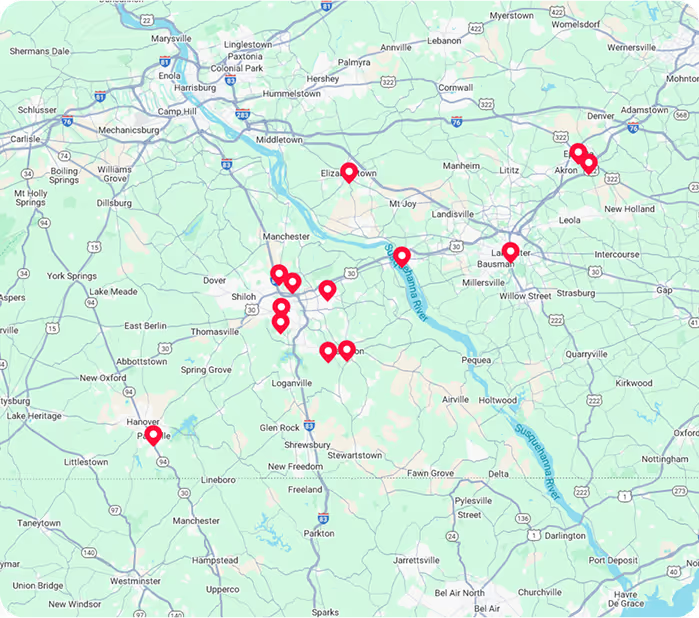
HVAC Repair in Columbia, PA

HVAC repair in Columbia, PA combines rapid diagnostics, experienced Advance HAWS technicians, and tailored solutions to restore your comfort during extreme weather. Local homes face humidity, temperature swings, and river-related moisture challenges that stress systems and reduce efficiency. We outline common issues, offer 24/7 emergency diagnostics, detail our step-by-step troubleshooting, list typical components serviced, explain expected response timelines, highlight our technician qualifications, and provide practical preparation tips. We emphasize safety, clear communication, and transparent repairs, helping homeowners understand what to expect and how to accelerate service when urgent repairs are needed.
-min.webp)
HVAC Repair in Columbia, PA
If your heating or cooling system fails when you need it most, prompt, accurate HVAC repair in Columbia, PA is essential for comfort and safety. Columbia homes face hot, humid summers and cold winters near the Susquehanna River, conditions that place extra stress on HVAC systems. This page explains common HVAC faults in the area, how professional 24/7 diagnostics and repairs work, what parts are typically serviced, expected response times, and what to have ready when you need an urgent repair.
Why timely HVAC repair matters in Columbia, PA
Columbia’s humidity and temperature swings accelerate wear on compressors, coils, and controls. Small problems left unaddressed can lead to reduced efficiency, higher energy bills, and system breakdowns during extreme weather. Rapid diagnostics and repairs restore comfort, improve indoor air quality, and extend equipment life. For homes near the river, addressing corrosion, drainage, and condensation issues quickly is especially important.
Common HVAC issues in Columbia, PA
Homeowners in Columbia commonly encounter these problems:
- Uneven heating or cooling across rooms, often due to airflow restrictions or balance issues
- Unit not starting or intermittent cycling, frequently caused by failed capacitors, relays, or thermostats
- Weak airflow from vents, usually from clogged filters, blower motor issues, or duct leaks
- Ice buildup on outdoor coils in winter or on refrigerant lines in cooling season, indicating low refrigerant or airflow problems
- Strange noises such as rattling, banging, or high-pitched squeals, pointing to loose components, bearings, or belt wear
- Frequent short cycling or loss of heating on cold mornings, often related to flame sensor, ignition, or control board faults
- Persistent humidity or condensation in the home, linked to oversized equipment, failed dehumidification, or blocked condensate drains
24/7 emergency diagnostics and what to expect
Emergency HVAC diagnostics in Columbia prioritize safety issues and systems that affect habitability. A typical emergency diagnostic process includes:
- Quick triage over the phone to understand symptoms and any safety concerns
- Dispatcher assigns a technician with the tools and parts most likely needed for the problem
- On-site safety check for gas leaks, carbon monoxide risk, electrical hazards, and ventilation problems
- System-level diagnostic testing: electrical checks, refrigerant checks, airflow measurements, and control diagnostics
- Clear explanation of findings and repair options before any work is performed
Technicians in emergency situations focus on stabilizing systems first, then recommending permanent repairs to prevent recurrence.
Step-by-step troubleshooting and repair procedures
Below are straightforward troubleshooting steps technicians use and what you can expect done during a repair visit:
- Initial inspection: Visual check of outdoor unit, indoor equipment, thermostat settings, and air filters.
- Basic homeowner checks: Confirm power to the unit, thermostat batteries and settings, and ensure vents are open.
- Electrical diagnostics: Test capacitors, contactors, fuses, breakers, and wiring for continuity and proper function.
- Airflow assessment: Measure static pressure and inspect blower motor, belt, and filters for blockages or failure.
- Refrigerant and coil inspection: Check refrigerant charge, look for leaks, and clean or replace coils to restore heat transfer.
- Heat system checks: For furnaces, inspect burners, heat exchanger, ignition system, and flue for safe operation.
- Condensate and drainage: Clear condensate lines and pans to stop water damage, mold, and secondary safety switch trips.
- Controls and sensors: Test and calibrate thermostats, sensors, and control boards.
- Repair and replace: Install tested replacement parts, retest system performance, and adjust controls for optimal operation.
- Post-repair verification: Run complete system cycles, verify temperatures, and provide a simple explanation of work completed and recommended next steps.
Technicians document findings and explain whether an immediate repair fully resolves the issue or if follow-up service is advisable.
Typical parts and components serviced
Repairs in Columbia homes often involve these components:
- Compressors and condenser coils
- Refrigerant lines, expansion devices, and leak repairs
- Capacitors, contactors, relays, and control boards
- Blower motors, belts, and bearings
- Thermostats and zone control devices
- Heat exchangers, burners, ignition modules for furnaces
- Condensate drains, pumps, and drip pans
- Air handlers, ductwork, and dampers
- Air filters, UV lights, and whole-home air quality components
Technicians carry common replacement parts for faster resolution and will advise when parts need to be ordered for major repairs.
Expected response times and repair timelines
Response times vary depending on system safety concerns and local demand. Typical guidelines:
- Emergency safety issues (no heat in freezing weather, possible gas leak, significant electrical faults): response as soon as crews are available, often within hours
- Priority repairs (loss of cooling on extreme hot days, major airflow failures): same-day or next-business-day response where possible
- Non-urgent diagnostics and repairs: scheduled within a few days
Repair timelines depend on complexity. Many common repairs are completed the same day. When specialized parts are required, technicians will provide a clear timeline and interim measures to keep the system stable.
Technician qualifications and standards
Professional HVAC technicians servicing Columbia homes should hold:
- EPA Section 608 certification for refrigerant handling
- Relevant trade certifications such as NATE, state licenses, or vocational credentials
- Ongoing manufacturer training for newer systems and smart controls
- Background checks and professional liability coverage for on-site work
- Commitment to safety protocols for gas and electrical systems and use of carbon monoxide detection during inspections
Qualified technicians explain issues in plain language, show the failed parts if requested, and provide written summaries of repairs performed.
How to prepare and schedule urgent repairs
When arranging urgent service, having the following information ready speeds up triage and on-site resolution:
- Exact address and access instructions for your property
- System type and manufacturer/model if available
- Clear description of symptoms and when they began
- Any safety concerns (smell of gas, persistent carbon monoxide alarm, water leaks)
- Times you will be available or if you have an urgent time window
Emergency crews prioritize life-safety issues and work to stabilize systems for immediate comfort and safety before completing permanent repairs.
Preventive tips to reduce emergency repairs
Regular maintenance reduces the chance of breakdowns in Columbia’s climate. Recommended actions:
- Change or clean filters every 1 to 3 months during heavy use
- Schedule seasonal tune-ups: cooling check in spring, heating inspection in fall
- Keep outdoor units clear of debris and vegetation, especially after storms or high river fog
- Monitor condensate lines and humidity levels to avoid mold and corrosion
- Replace aging equipment proactively to improve reliability and efficiency
Timely maintenance lowers operating costs, improves comfort, and reduces the likelihood of emergency repairs.
HVAC repair in Columbia, PA requires rapid diagnostics, experienced technicians, and an understanding of local climate stresses like humidity and temperature swings. Knowing common issues, how diagnostics and repairs proceed, what parts are typically serviced, and how crews prioritize emergencies helps you make informed decisions when service is needed. Keep the recommended preparation checklist handy to accelerate urgent service and protect your home against seasonal extremes.
Customer Testimonials
Focus on enhancing the quality of your maintenance plan by ensuring all components are well-coordinated and efficient. This will lead to improved performance and longevity of your systems.