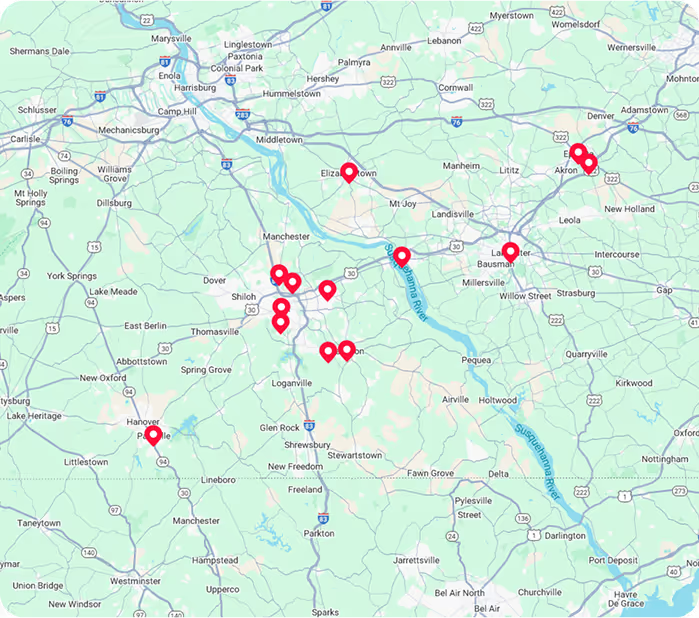
HVAC Maintenance in Dallastown, PA

HVAC maintenance in Dallastown, PA ensures reliable and efficient climate control through thorough tune-ups, inspections, and seasonal service plans perfectly tailored to local homes. Our services address common issues, include detailed diagnostics, and follow recommended maintenance intervals for heating, cooling, ductwork, and safety systems. Homeowners benefit from scheduled reminders, priority service, and performance reporting. Regular proactive upkeep helps reduce energy costs, extend equipment life, improve indoor air quality, and minimize the risk of emergency repairs in Southern York County.
.webp)
HVAC Maintenance in Dallastown, PA
Keeping your heating and cooling system running reliably and efficiently matters year-round in Dallastown, PA. With hot, humid summers and cold, snowy winters, local homes rely on both air conditioning and heating performance. Regular HVAC maintenance reduces the risk of inconvenient breakdowns during extreme weather, lowers energy costs, improves indoor air quality, and extends the life of your equipment. This page describes comprehensive HVAC maintenance programs and seasonal service plans tailored to Dallastown homes, including typical tune-up checklists, recommended service intervals, and what to expect from a maintenance agreement.
Why regular HVAC maintenance matters in Dallastown
- Seasonal extremes: Summers in southern York County bring high humidity that stresses air conditioners and can promote coil mold. Winters are cold and long, increasing run time for furnaces and heat pumps and raising the risk of component failure when demand is highest.
- Energy costs: Poorly maintained systems consume more energy. Routine maintenance keeps airflow, refrigerant charge, and burner efficiency optimized so your system runs less expensively to maintain comfort.
- Indoor air quality: Pollen in spring and household dust year-round can clog filters and ducts, reducing airflow and circulating allergens. Regular maintenance keeps filtration effective and reduces dust and mold buildup.
- Equipment longevity and warranty: Manufacturers often require routine service to keep warranties valid. Proactive maintenance catches small issues before they turn into major repairs.
Common HVAC issues in Dallastown homes
- Dirty or clogged filters and coils from seasonal pollen and dust
- Low refrigerant or refrigerant leaks causing poor cooling or iced evaporator coils
- Restricted airflow from dirty blower wheels or duct obstruction
- Faulty or out-of-calibration thermostats producing uneven comfort
- Burner or ignition problems, cracked heat exchangers, or blocked flues in furnaces
- Condensate drain clogs that lead to water damage or system shutdowns
- Electrical problems such as loose connections, failing capacitors, or worn relays
- Excessive humidity or secondary heating loads causing cycling and high energy use
Typical seasonal tune-up checklist
A thorough tune-up addresses components specific to cooling and heating seasons and year-round items. A complete checklist typically includes:
Cooling season (spring)
- Inspect and replace or recommend correct air filters
- Clean outdoor condenser coil and straighten fins
- Clean indoor evaporator coil if accessible
- Check refrigerant pressures and measure system superheat/subcooling
- Inspect and lubricate fan motors and bearings where applicable
- Test contactors, capacitors, and electrical connections
- Verify thermostat calibration and control operation
- Clear condensate drain and trap; inspect drain pan
- Measure airflow and temperature split to confirm proper performance
- Check ductwork for obvious leaks or disconnections
Heating season (fall)
- Inspect and replace or recommend correct air filters
- Inspect burners, clean if needed, and verify proper ignition
- Perform combustion analysis on gas systems when applicable
- Inspect heat exchanger for cracks or corrosion
- Test safety controls, limit switches, and pressure switches
- Lubricate motors and inspect belts where used
- Check flue and venting for blockages or deterioration
- Verify thermostat calibration and heating call response
- Inspect and tighten electrical connections
Year-round items
- Visual inspection of indoor and outdoor units
- Record operating pressures, temperatures, and amps for trend tracking
- Basic air handler/duct inspection for mold, pests, or debris
- Review system run history and note any intermittent faults
- Provide a written service report and recommendations
How technicians diagnose problems (in plain language)
When a technician arrives for maintenance, they typically start with a visual inspection, then operate the system to observe real-time performance. Key diagnostic steps explained simply:
- Filter and airflow check: Restricted airflow makes systems work harder. The tech looks at the filter, blower, and supply registers.
- Temperature and pressure checks: Measuring supply and return temperatures and refrigerant pressures helps determine if the refrigeration cycle is balanced or if there’s a leak.
- Electrical inspection: Tightening and testing electrical connections prevents failure of motors and control boards.
- Combustion and safety tests: For gas systems, combustion analysis and carbon monoxide checks confirm safe operation.
- Component testing: Capacitors, relays, and motors are tested to predict imminent failures.
- Drain and moisture checks: Clearing drains and looking for signs of mold or leaks prevents water damage and microbial growth.
All findings are explained in straightforward terms, with priority levels assigned so homeowners know which issues can wait and which should be addressed before the next season.
Recommended service intervals for Dallastown homes
- Cooling system tune-up: once per year, ideally in early spring before the first heat wave.
- Heating system tune-up: once per year, ideally in early fall before the first cold snap.
- Filter replacement: every 1 to 3 months depending on filter type, household occupancy, pets, and indoor air quality needs. Higher-efficiency filters (higher MERV) may need more frequent changes.
- Duct inspection and cleaning: every 3 to 5 years, or sooner if ducts show signs of contamination, pest intrusion, or persistent air quality issues.
- Carbon monoxide testing: annually for homes with fuel-burning appliances.
Biannual visits (spring and fall) cover both comfort seasons and are the recommended schedule to minimize emergency breakdown risk in Dallastown’s variable climate.
What maintenance agreements typically include
A comprehensive maintenance agreement or seasonal service plan brings consistency and peace of mind. Typical features include:
- Scheduled preventive maintenance visits timed for heating and cooling seasons
- Service reminders by email, mail, or phone notifications
- Priority scheduling for maintenance customers during peak weather events
- A written history of service visits and recorded system performance data
- Basic safety inspections and documented checklists each visit
- Recommendations for replacement parts or upgrades tied to performance and lifespan
- Options for filter delivery or automatic filter replacement reminders
- Assistance documenting maintenance for warranty compliance
These agreements are designed to make upkeep predictable and to protect your system’s performance and value over time.
Long-term benefits of regular maintenance
- Lower utility bills through restored efficiency
- Fewer emergency repairs and reduced likelihood of catastrophic failure
- Longer equipment life and better return on the initial HVAC investment
- Improved comfort with more consistent temperature and humidity control
- Better indoor air quality and reduced allergens for household health
- Safer operation of fuel-burning equipment through regular safety checks
Maintaining HVAC systems proactively is particularly important in Dallastown, where both humidity and cold weather place heavy seasonal demands on equipment. Regular tune-ups and a structured maintenance plan keep systems ready for the extremes common to southern York County and help homeowners avoid the highest-risk times for breakdowns.
Maintaining performance between visits
- Replace or check filters monthly during high-use seasons
- Keep outdoor condensers clear of leaves, grass clippings, and snow
- Avoid blocking return vents and maintain good airflow around registers
- Note and record any unusual noises, odors, or cycling patterns for the next maintenance visit
- Monitor thermostat settings and consider programmable or smart thermostats for optimized run times
Regular attention plus scheduled professional maintenance preserves comfort, lowers running costs, and extends the life of your HVAC equipment in Dallastown, PA.
Customer Testimonials
Focus on enhancing the quality of your maintenance plan by ensuring all components are well-coordinated and efficient. This will lead to improved performance and longevity of your systems.