Oil Forced Hot Air Furnaces/Boilers in Pleasureville, PA

When the winter temperatures drop across Pennsylvania, your heating system becomes one of the most critical components of your home. For residents of Pleasureville, PA, having a reliable oil forced hot air furnace or boiler isn't just about comfort - it's essential for keeping your family safe and healthy through the cold months. At Advance HAWS, we understand that your family is your top priority, which is why we've spent over 20 years perfecting our approach to oil heating system service, repair, and installation.
-min.jpeg)
Oil Forced Hot Air Furnaces and Boilers in Pleasureville, PA
When the winter temperatures drop across Pennsylvania, your heating system becomes one of the most critical components of your home. For residents of Pleasureville, PA, having a reliable oil forced hot air furnace or boiler isn't just about comfort - it's essential for keeping your family safe and healthy through the cold months. At Advance HAWS, we understand that your family is your top priority, which is why we've spent over 20 years perfecting our approach to oil heating system service, repair, and installation.
Oil forced hot air furnaces and boilers represent a significant investment in your home's comfort and safety. Unlike natural gas systems that rely on pipeline infrastructure, oil heating systems require specialized knowledge and careful maintenance to operate efficiently and safely. Whether you're dealing with an aging system that needs urgent attention or considering a replacement for your Pleasureville home, you need a heating contractor who understands the unique demands of oil-fired equipment and can provide honest, straightforward guidance without pressure or inflated estimates.
Common Issues With Oil Furnaces and Boilers in Pleasureville
Oil heating systems in Pleasureville and the surrounding Lancaster County area face specific challenges tied to our regional climate and water conditions. Understanding these issues helps you recognize when your system needs professional attention and why preventative maintenance is so valuable.
Fuel Delivery and Combustion Problems
One of the most frequent issues we encounter with oil furnaces and boilers is improper fuel delivery or combustion efficiency. Over time, sediment and water can accumulate at the bottom of your oil tank, clogging the fuel line and nozzle. When this happens, your burner may fail to ignite properly, or it might cycle on and off repeatedly - a condition called "short cycling" that wastes energy and puts stress on your equipment. You might notice your system struggling to maintain temperature or shutting down entirely.
Another common combustion issue involves the nozzle itself becoming dirty or damaged. The nozzle atomizes your heating oil into a fine mist for efficient burning. A degraded nozzle produces incomplete combustion, which means your system works harder to generate the same heat, driving up your energy costs and creating unnecessary emissions.
Ignition and Control Malfunctions
Modern oil furnaces use an electronic ignition system and controls to regulate burner operation. These components can fail due to age, electrical surges, or normal wear and tear. A faulty ignition transformer might prevent your burner from starting at all. Control board issues can cause your system to lock out - a safety feature that stops operation when the system detects a problem. When this happens, your home loses heat and you need emergency service to restore comfort.
Heat Exchanger Deterioration
The heat exchanger is the component that transfers warmth from the combustion process to the air circulated through your home. In oil furnaces, heat exchangers can accumulate soot and residue from combustion byproducts, reducing efficiency. Over many years, corrosion and stress from repeated heating and cooling cycles can cause cracks or leaks in the heat exchanger. Once this critical component fails, repair often isn't economical, and replacement becomes necessary.
Draft and Ventilation Issues
Your oil furnace or boiler must safely exhaust combustion gases outdoors through a chimney or vent pipe. Problems with draft - the natural flow of exhaust gases - can create dangerous situations. A blocked or deteriorating vent pipe prevents proper exhaust removal, which can allow carbon monoxide and other harmful gases to enter your living space. Creosote buildup in chimneys serving oil furnaces can also restrict draft and create fire hazards.
System Cycling and Performance Problems
You might notice your furnace or boiler running constantly without adequately heating your home, or conversely, cycling off too frequently without maintaining steady temperature. These performance issues often stem from incorrect burner settings, thermostat malfunctions, or inadequate airflow through your heating system. Poor airflow can result from dirty filters, blocked return air vents, or problems with your furnace's blower motor.
Noises and Odors
Strange noises from your furnace - such as loud booming during startup, high-pitched squealing, or grinding sounds - indicate mechanical problems requiring attention. Similarly, unusual odors warrant investigation. While a slight "heating oil" smell when first starting your system is normal, persistent burning plastic or rubber odors suggest electrical issues or overheating components that need immediate attention.
Understanding Your Oil Heating System
Before we discuss solutions, let's cover the basics of how oil forced hot air furnaces and boilers work. This knowledge helps you communicate more effectively with our technicians and understand the maintenance and repair recommendations we provide.
How Oil Furnaces Operate
An oil forced hot air furnace operates through a straightforward cycle. Heating oil stored in your tank is delivered through a fuel line to the burner nozzle. An electronic ignition system ignites this oil mist, creating combustion. Heat from this controlled fire passes through the heat exchanger, warming the air that flows across its surface. A blower fan pushes this heated air through ducts and vents throughout your home. A thermostat controls the burner, cycling it on when interior temperature drops below your set point and off when the desired temperature is reached.
Oil Boilers Explained
Oil boilers operate on a similar combustion principle but distribute heat differently. Instead of circulating heated air through ducts, a boiler heats water that flows through pipes to radiators, baseboard heaters, or radiant floor systems throughout your home. Some boilers also provide hot water for your domestic water heater, making them a central system for both heating and hot water.
System Components You Should Know
Your oil heating system includes several key components: the storage tank (typically 275 gallons), the fuel delivery pump, the burner unit with ignition system, the heat exchanger or boiler vessel, controls and safety devices, and distribution equipment (ducts for furnaces or pipes for boilers). Each of these components plays a critical role, and when one fails, it can compromise the entire system's ability to heat your home safely and efficiently.
Professional Diagnostic Services for Pleasureville Homes
When you contact Advance HAWS with heating concerns, our first step is always a thorough diagnostic. We don't assume we know the problem - we investigate systematically to identify the actual cause of your system's poor performance.
What Our Diagnostic Process Includes
Our technicians begin by listening to your description of the problem and asking detailed questions about when issues started, how frequently they occur, and what you've noticed about your system's behavior. We perform a complete visual inspection of your furnace or boiler, checking for visible signs of damage, leaks, corrosion, or unusual wear.
We test combustion efficiency using specialized equipment that measures oxygen levels, flue gas temperature, and carbon dioxide output. These measurements tell us whether your burner is operating at optimal efficiency or whether adjustments or repairs are needed. We inspect the heat exchanger for soot accumulation, cracks, or deterioration. We check all electrical connections, test the ignition system, and verify that safety controls are functioning properly.
For oil delivery systems, we examine your tank for sediment or water contamination, inspect fuel lines for leaks or cracks, and test the fuel delivery pump. We also assess your home's draft and ventilation system to ensure dangerous combustion gases are safely exhausted outdoors.
Once our diagnostic is complete, we explain our findings clearly in plain language. We'll tell you exactly what we found, why it matters for your home's safety and comfort, and what solutions we recommend. You won't get a list of expensive add-ons you don't need - you'll get honest advice tailored to your specific situation. That's the Advance HAWS difference.
Same-Day and Emergency Oil Furnace and Boiler Repair
When your heating system fails during the cold months, every hour without heat matters. That's why we offer 24/7 emergency service for oil furnaces and boilers in Pleasureville and throughout our service areas. Rain or shine, we're on our way.
Why 24/7 Availability Matters
A heating emergency doesn't wait for business hours. When your furnace stops working on a frigid Saturday night or during a holiday weekend, you need a contractor who answers their phone and arrives ready to restore your heat. Our team maintains emergency response capabilities year-round, so whether it's the middle of winter or early spring, you can reach Advance HAWS and have a technician dispatched to your home promptly.
Same-Day Repair Solutions
Many furnace and boiler problems can be resolved in a single service visit. Our technicians arrive equipped with common replacement parts, tools, and diagnostic equipment. For issues like faulty ignition transformers, failed nozzles, clogged fuel lines, or malfunctioning controls, we often complete repairs the same day you call. This minimizes your time without heat and gets your family back to comfort quickly.
What You Can Expect From Our Emergency Service
When you call Advance HAWS for emergency heating service, you'll speak with a knowledgeable team member who gathers information about your problem and provides honest guidance about what to expect. We'll dispatch a technician as quickly as possible. Upon arrival, our team will perform the diagnostic process outlined above, explain what they find, and discuss repair options with you before proceeding.
You're not just a number when you choose Advance HAWS. Our owners personally verify that emergency repair work is done correctly before we consider the job complete. This owner oversight ensures you receive the quality and accountability you deserve, not just a rushed fix designed to get the technician to the next call.
Routine Maintenance and Seasonal Tune-Ups
While emergency repairs are important, preventative maintenance is your best tool for avoiding system failures during the heating season. A well-maintained oil furnace or boiler operates more efficiently, costs less to run, lasts longer, and is significantly safer than a neglected system.
What Regular Maintenance Includes
Our maintenance program for oil furnaces and boilers covers all the essential components that impact performance and safety. We inspect and clean your burner, nozzle, and combustion chamber to ensure efficient fuel ignition and combustion. We examine your heat exchanger for soot accumulation and corrosion. We check all electrical connections, test safety controls, and verify that your thermostat is calibrated correctly.
We inspect your fuel delivery system - including tank condition, fuel lines, and pump operation - to ensure reliable fuel flow. We clean or replace air filters to maintain proper airflow. We assess your venting system and chimney draft to confirm safe exhaust. We run performance tests to confirm your system is operating at peak efficiency.
Seasonal Tune-Up Timing
The ideal time for an oil furnace or boiler tune-up is late summer or early fall, before the heating season begins. This timing allows us to address any issues before you rely heavily on your system for daily comfort. A pre-season tune-up also gives you confidence knowing your system is ready for the demands of a Pennsylvania winter.
Why Maintenance Saves You Money
A properly maintained furnace or boiler operates 10 to 15 percent more efficiently than a neglected system. Over a heating season, this efficiency improvement translates directly to lower energy bills. Maintenance also prevents small problems from escalating into costly repairs. For example, a $200 nozzle replacement during a tune-up prevents a complete system failure that might cost thousands to fix during an emergency service call.
Additionally, many warranty agreements on heating equipment require documented maintenance to remain valid. Skipping maintenance could leave you unprotected if major components fail.
Repair Versus Replacement: Making the Right Decision
One of the most important conversations we have with homeowners involves deciding whether to repair an aging furnace or boiler or to invest in a new system. This decision depends on several factors, and we're committed to providing honest guidance rather than pushing replacements you don't need.
Age of Your System
Oil furnaces and boilers typically operate reliably for 15 to 20 years with proper maintenance. Once your system reaches 18 to 20 years old, the likelihood of major component failure increases significantly. At this age, even if your current problem can be repaired, you should expect additional issues to develop within the next few years. Investing in a new system makes more financial sense than continuing to repair an aging unit.
If your system is younger than 10 years old and the current repair is minor - such as replacing an ignition transformer or nozzle - repair is usually the right choice. The equipment likely has many years of useful life remaining.
The tricky decision involves systems between 12 and 18 years old that require a significant repair. In these cases, we help you evaluate whether the repair cost is reasonable relative to the remaining equipment life and the likelihood of future problems.
Repair Cost Versus Replacement Investment
A helpful rule of thumb: if the repair cost exceeds half the price of a new system, replacement often makes more sense. A new furnace or boiler comes with warranty protection, improved efficiency, and reliability. If you're spending substantial money to keep an aging system operational, you're gambling that no other major problems will develop before the system ultimately fails.
However, if the repair is minor relative to replacement cost, and your system is relatively young, repair is economical. Our technicians provide honest estimates and help you think through the long-term costs associated with each option.
Efficiency Considerations
Newer oil furnaces and boilers are significantly more efficient than older models. A system manufactured in the 1990s or early 2000s might operate at 78 to 82 percent efficiency, meaning 18 to 22 percent of the energy you're paying for is lost through the chimney. Modern systems achieve 85 to 90 percent efficiency or higher, reducing your heating costs substantially.
If your current system is operating at lower efficiency and you're concerned about high heating bills, replacement with a modern, high-efficiency unit might make sense even if the system isn't yet at the end of its expected life. The energy savings over the remaining winters could justify the investment.
Your Comfort and Safety Needs
Beyond the financial calculation, consider your comfort and peace of mind. If your aging system frequently cycles on and off, leaving you with uneven heating or temperature swings, replacement might be worth it for consistent comfort. If you're anxious about a system failing during a cold snap, upgrading to new equipment provides confidence and security.
Safety is non-negotiable. If your system shows any signs of dangerous operation - such as improper venting, carbon monoxide concerns, or uncontrollable combustion - replacement should be considered regardless of cost. Your family's safety comes first.
Oil Furnace and Boiler Replacement and Installation
If you decide that replacement is the right choice for your Pleasureville home, Advance HAWS handles the entire process with the professionalism and care you expect from a family-owned contractor.
Selecting the Right System for Your Home
The furnace or boiler that's right for your neighbor might not be ideal for your home. We conduct a detailed assessment of your heating needs, considering your home's size, insulation, layout, and your climate zone. We discuss fuel tank options - whether to upgrade to a modern tank or refurbish your existing tank. We review efficiency ratings, warranty options, and financing opportunities.
We work with trusted manufacturers including Carrier, Trane, Lennox, Rheem, and Bryant, giving you access to proven equipment backed by manufacturer support. Whether you prefer a basic, economical model or a premium high-efficiency system, we help you find equipment that meets your needs and budget.
Expert Installation
Installation quality directly impacts your system's performance and lifespan. Our installation process includes proper sizing of all components, meticulous attention to fuel line routing and connections, secure fastening of equipment, and complete venting system verification. We ensure your new furnace or boiler integrates properly with your existing ductwork or piping.
During installation, we remove and properly dispose of your old equipment, leaving your basement or mechanical room clean and organized. We test all controls, run the system through multiple cycles, and confirm everything is operating at peak efficiency before we consider the job complete.
Warranty and Performance Guarantees
We stand behind our installation work with a commitment to quality that includes manufacturer warranties on equipment and our own workmanship guarantee. The company owners personally verify that replacement installation is completed correctly. You'll have confidence knowing your new system is installed right and backed by genuine support.
Energy Efficiency and Cost Savings
Heating costs represent a significant portion of your home's annual energy expenses in Pennsylvania. Making smart decisions about your oil heating system can meaningfully reduce these costs.
Understanding Heating Efficiency Ratings
Oil furnace and boiler efficiency is expressed as an Annual Fuel Utilization Efficiency (AFUE) percentage. This figure represents the portion of fuel energy converted to usable heat. An 85 percent AFUE system means 85 percent of the energy in your heating oil becomes warmth for your home, while 15 percent is lost.
Older systems often operate at 75 to 80 percent AFUE. Modern oil furnaces and boilers achieve 85 to 95 percent AFUE. While the difference might seem modest, it translates to substantial savings over a season of regular use. For a homeowner spending $2,000 annually on heating oil, upgrading from an 80 percent system to a 90 percent system reduces annual costs by approximately $250 - money back in your pocket every single year.
Complementary Energy Efficiency Improvements
Your heating system doesn't operate in isolation. The efficiency gains from a new furnace or boiler are multiplied when combined with other energy improvements. Better insulation, weatherstripping, and air sealing reduce the amount of heat that escapes your home, which means your heating system doesn't have to work as hard. A programmable or smart thermostat helps you maintain comfortable temperatures while minimizing unnecessary heating.
Our team can discuss these complementary improvements and how they work together to reduce your overall energy consumption and costs.
Maintenance's Role in Efficiency
Remember that a well-maintained system operates more efficiently than a neglected one. A furnace or boiler with a clean burner, proper combustion settings, and well-maintained components delivers the efficiency it was designed to provide. Soot accumulation, improper fuel settings, and worn components all reduce efficiency below the equipment's rating.
By maintaining your system through regular tune-ups, you ensure you're getting the full efficiency benefit of your equipment investment. This is one reason why routine maintenance is so cost-effective.
Financing Options Through OPTIMUS
We understand that replacing a furnace or boiler represents a significant investment. Not everyone has the cash available to pay for a new system outright, and that shouldn't prevent you from getting the heating equipment you need for your family's safety and comfort.
Advance HAWS offers financing through OPTIMUS, providing flexible lending and leasing options designed to make heating system replacement or upgrade affordable. OPTIMUS financing allows qualified homeowners to spread the cost over time, with terms and monthly payments that fit your budget.
Financing through OPTIMUS also makes it easier to choose the higher-efficiency system that saves you money on energy bills, since the energy savings can offset the monthly financing payment. What might seem like an expensive upgrade becomes an investment that pays for itself through reduced heating costs over time.
Our team can discuss OPTIMUS financing options during your consultation, answering any questions about terms, rates, or the application process.
Compatibility With Major Manufacturers
One concern many homeowners have is whether a new furnace or boiler from one manufacturer can integrate with existing controls, thermostats, or equipment from another manufacturer. At Advance HAWS, we have extensive experience working with all major heating equipment brands and ensuring proper compatibility and integration.
Whether your home currently has Carrier, Trane, Lennox, Rheem, Bryant, or any other brand of heating equipment, we can install a replacement unit that works seamlessly with your existing system. We handle any necessary adapter components, control modifications, or thermostatic adjustments to ensure your new system operates flawlessly with what's already in place.
This flexibility means you're not locked into one manufacturer for your replacement. You can choose the equipment that best fits your needs and budget, knowing that our installation expertise ensures it will integrate properly with your home's existing heating and cooling infrastructure.
Owner-Verified Workmanship and Satisfaction Guarantee
Here's something that sets Advance HAWS apart from larger HVAC contractors: our owners personally verify that work is done correctly before completion. When you hire a big company, you get assigned a technician and hope they do quality work. When you hire Advance HAWS, you get a family-owned business where the owners have their reputation on the line.
What Owner Verification Means
Before we call a job complete - whether it's an emergency repair, a seasonal maintenance visit, or a full system replacement - one of our owners reviews the work performed. They inspect our technician's labor, verify all components are installed correctly, confirm all safety systems are functioning properly, and ensure your heating system is operating at optimal performance.
This isn't a rubber stamp. It's a genuine quality control process that reflects our commitment to your satisfaction and our pride in our work. You're not just a number. You're a neighbor in Pleasureville or the surrounding communities, and we take pride in serving your family well.
100 Percent Satisfaction Guarantee
We're confident in the quality of our work because we stand behind it completely. If you're not satisfied with the service we provide, we'll make it right. This guarantee reflects our commitment to excellence and our confidence in our team's capabilities.
Service Areas and Local Presence
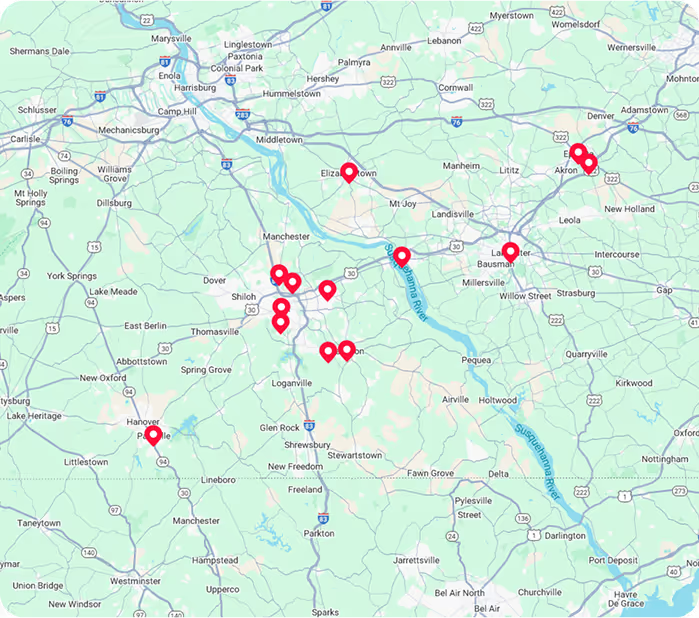
Advance HAWS proudly serves Pleasureville, PA, and the surrounding communities throughout York County, Lancaster County, and Dauphin County. Our service area includes York, Emigsville, Ephrata, Elizabethtown, Columbia, Parkville, Grantley, Dallastown, Red Lion, and Stonybrook, with Pleasureville among our most valued markets.
As a family-owned and operated business founded in 2020, we've become a trusted name in the communities we serve. Our 20-plus years of collective experience means we understand the heating challenges unique to our region. We're familiar with the weather patterns that impact heating demand, the water conditions that affect equipment, and the specific concerns of local homeowners.
When you call Advance HAWS, you're calling a local contractor who lives in these communities alongside you. We're invested in your satisfaction because we're part of your neighborhood.
Special Recognition for Community Heroes
We deeply respect those who serve our communities in essential roles. Veterans, first responders, teachers, firefighters, and police officers receive special recognition through our hero discount program. If you serve our community in one of these capacities, ask about our 10 percent hero discount on HVAC services including furnace and boiler repair, maintenance, and replacement.
Getting Started With Oil Furnace and Boiler Service
When you're ready to address a heating concern in your Pleasureville home, getting started with Advance HAWS is straightforward. You can call us directly at (717) 793-4022 during business hours, and our team will discuss your heating needs and schedule service at your convenience.
For non-emergency scheduling, our online booking system allows you to reserve a service appointment that fits your schedule. If you prefer detailed information before contacting us, you can request a quote through our online form, and we'll respond with specific information about your situation.
For emergency heating service during nights, weekends, or holidays, call (717) 793-4022 and select the option for emergency service. Our team maintains 24/7 response capability to restore heat to your home as quickly as possible.
We look forward to serving your family with the professional, personalized oil furnace and boiler service you deserve. When you choose Advance HAWS, you're choosing a family-owned contractor who knows your family is your top priority.
Customer Testimonials
Focus on enhancing the quality of your maintenance plan by ensuring all components are well-coordinated and efficient. This will lead to improved performance and longevity of your systems.