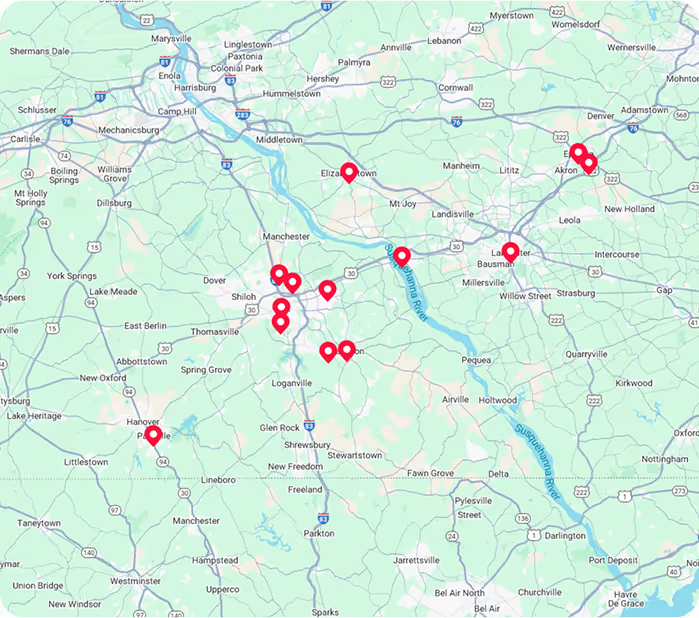
Heating Maintenance in Spry, PA

Heating maintenance for Spry, PA homeowners emphasizes proactive care to preserve safety, efficiency, and comfort throughout the heating season. We’ll explain common system concerns, recommended seasonal tune-ups, and safety checks, then outline our maintenance plans and when repairs may be needed. Advance HAWS highlights measurable benefits such as fewer emergencies, lower energy usage, extended equipment life, and improved indoor air quality. By following professional maintenance schedules and simple home tips, residents can reduce downtime and enjoy reliable warmth year-round.

Heating Maintenance in Spry, PA
Keeping your heating system tuned and safe is essential for homes in Spry, PA, where cold winters and fluctuating temperatures drive heavy seasonal demand. Proper heating maintenance prevents midwinter breakdowns, lowers operating costs, and extends equipment life. This page explains what professional heating maintenance covers, common system issues in Spry homes, how recurring maintenance plans typically work, and the measurable benefits you can expect.
Why seasonal heating maintenance matters in Spry, PA
- Cold months increase runtime for furnaces, boilers, and heat pumps, accelerating wear.
- Humidity swings and freeze-thaw cycles can affect vents, outdoor heat pump components, and piping.
- Preseason maintenance identifies small problems before they become emergency repairs during peak heating season.
Routine maintenance is not just a safety check. It optimizes system performance, preserves efficiency, and helps homeowners avoid high-cost failures when they can least afford them.
Common heating systems and typical issues in Spry homes
Most homes in the region have one of these systems. Maintenance needs differ by system type.
- Forced-air furnaces (gas or electric)
- Common issues: clogged filters, dirty burners, failing ignition systems, worn blower motors, and restricted airflow.
- Maintenance focus: filter replacement, burner cleaning, ignition/safety checks, blower lubrication, duct inspection.
- Hot water or steam boilers
- Common issues: scale buildup, leaking valves, pressure problems, air trapped in lines, and inefficient combustion.
- Maintenance focus: flushing and chemical treatment as needed, valve and boiler control checks, pressure and expansion tank inspection.
- Heat pumps and ductless mini-splits
- Common issues: dirty outdoor coils, refrigerant loss, reversing valve faults, and defrost cycle problems in colder weather.
- Maintenance focus: coil cleaning, refrigerant level checks, airflow balancing, thermostat calibration.
What a thorough seasonal tune-up includes
Professional tune-ups follow a systematic checklist to restore safety and efficiency. Typical elements include:
- Visual inspection of the entire system and accessible ductwork or piping
- Filter inspection and replacement or guidance on filter type and schedule
- Cleaning of burners, heat exchangers, or coils to improve combustion and heat transfer
- Combustion and carbon monoxide safety checks for combustion appliances
- Thermostat calibration and control sequence verification
- Inspection and testing of safety controls, pressure switches, and limit switches
- Lubrication of moving parts, tightening electrical connections, and checking motors
- Flue and venting inspection to ensure proper draft and exhaust
- Refrigerant and refrigeration circuit inspection for heat pumps
- System performance test and documentation of operating temperatures and pressures
Technicians leave a service report documenting findings, any recommended repairs, and suggested scheduling for the next visit.
Safety checks you should expect
Safety is a primary goal of heating maintenance. Key safety procedures include:
- Carbon monoxide leak tests for gas-fired equipment
- Combustion analysis when applicable to confirm proper fuel-to-air ratio
- Gas line and burner inspection for leaks or corrosion
- Pressure and relief valve checks on boilers
- Electrical safety checks to identify loose connections or worn wiring
Addressing safety items during maintenance reduces the risk of hazardous failures during prolonged winter use.
What maintenance covers vs what requires repair or replacement
Maintenance preserves system function and identifies failing parts, but it is not the same as repair or replacement.
- Covered in maintenance: cleaning, filter and minor component replacement (like standard filters), calibration, lubrication, safety testing, and small adjustments.
- May lead to required repair: worn belts, failing motors, cracked heat exchangers, refrigerant leaks, corroded valves, or failed ignition components.
- Replacement considerations: end-of-life components or systems that no longer meet efficiency or safety standards should be evaluated for replacement rather than repeated repairs.
A clear service report will distinguish between maintenance items, recommended repairs, and replacement options.
Maintenance agreements and recurring plans
Many homeowners benefit from enrolling in a structured maintenance plan. Typical features of these plans include:
- Annual or biannual scheduled tune-ups timed before the heating season
- Priority scheduling for service visits during peak season
- Detailed service records for warranty and resale purposes
- Inspection checklists and digital or paper service reports
- Optional coverage for parts or labor at reduced rates depending on plan terms
Plans are designed to provide predictable, proactive care that reduces unexpected breakdowns and spreads maintenance tasks across the year.
How enrollment and recurring service are usually structured
Enrollment and recurring service are straightforward and centered on convenience and reliability:
- Choose the plan frequency (commonly annual for heating or combined fall and spring visits if you also service cooling equipment)
- The provider schedules visits ahead of the heating season and provides reminders
- Technicians perform the agreed checklist at each visit and document findings
- Any additional repair needs are presented in a clear report with options for repair or replacement
This predictable cadence ensures systems are inspected and serviced before the coldest months arrive.
Measurable benefits for Spry homeowners
Regular heating maintenance delivers measurable outcomes that matter in a decision stage purchase:
- Reduced breakdown risk: Proactive checks catch small failures before they cause system shutdowns on cold days.
- Lower energy bills: Clean, calibrated systems operate closer to their rated efficiency, reducing fuel or electricity consumption.
- Longer equipment life: Regular lubrication, cleaning, and early part replacement reduce stress on major components.
- Improved safety and indoor air quality: Combustion testing and filter maintenance reduce CO risks and particulates in indoor air.
- Better warranty compliance: Many manufacturers require regular maintenance to keep warranties valid.
Practical homeowner tips between professional visits
- Change or check filters every 1 to 3 months depending on filter type and household conditions.
- Keep vents and registers unobstructed and periodically vacuum registers and return grilles.
- Monitor carbon monoxide and smoke detectors and replace batteries as recommended.
- Set thermostat schedules to avoid extreme setpoints that increase system runtime.
- Note and report unusual noises, odors, or cycling patterns to your service provider for early diagnosis.
Conclusion
Heating maintenance in Spry, PA is an essential investment for safety, efficiency, and reliability through the colder months. A comprehensive seasonal tune-up, safety testing, and an ongoing maintenance plan reduce the chance of emergency repairs, lower operating costs, and extend system life. For a Spry home, scheduling professional maintenance before the heating season and following simple homeowner practices between visits delivers dependable comfort and peace of mind.
Customer Testimonials
Focus on enhancing the quality of your maintenance plan by ensuring all components are well-coordinated and efficient. This will lead to improved performance and longevity of your systems.