
Heat Pump Replacement in Red Lion, PA

In Red Lion, PA, homeowners can determine whether to repair or replace a heat pump by evaluating system age, performance, and costs. High-efficiency upgrade options are available, with guidance on installation steps, expected energy savings, and post-install follow-up. The process covers removal and disposal of old equipment, timelines, rebates, financing, and warranties, helping homeowners make informed decisions and ensuring reliable, year-round comfort and efficiency.
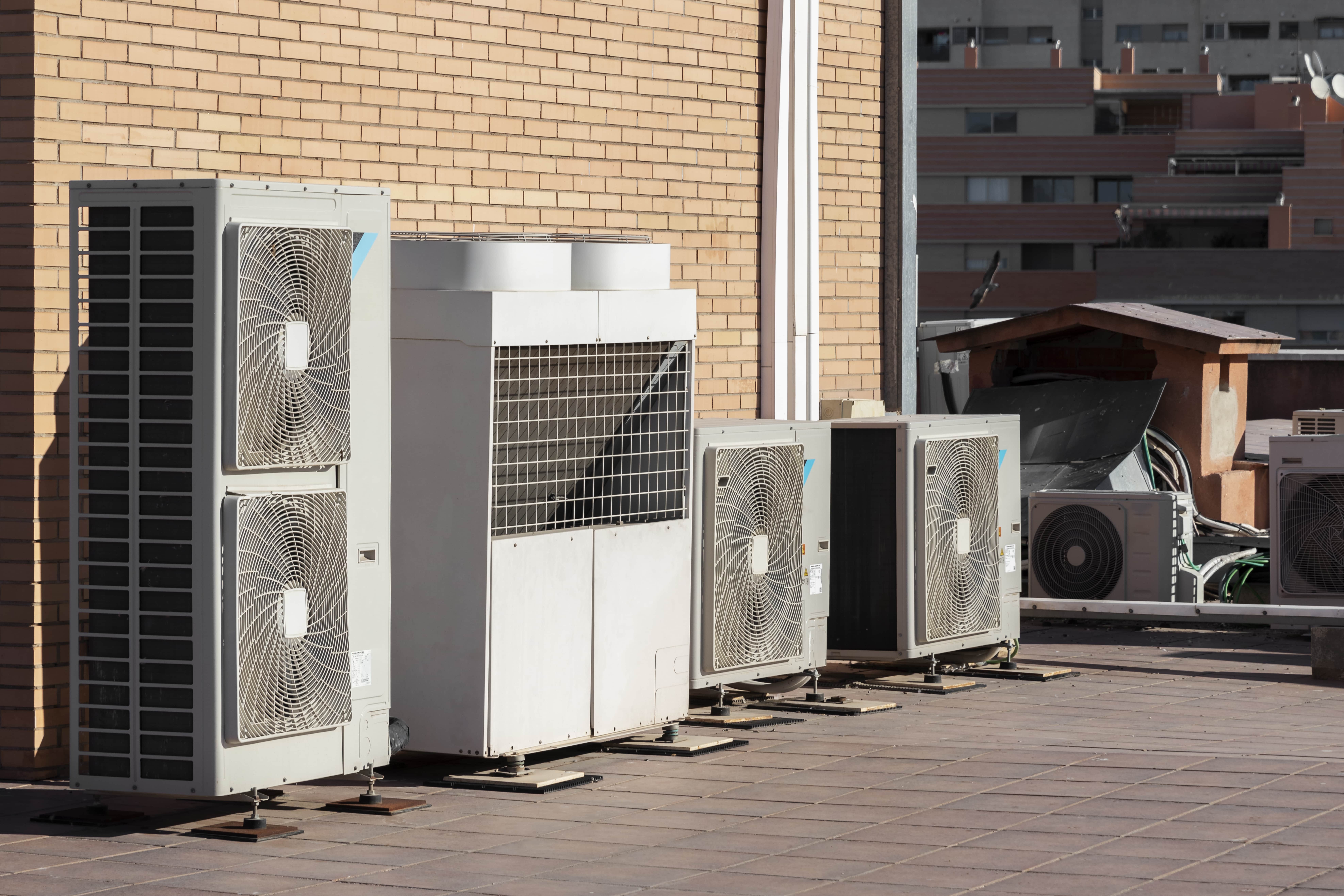
Heat Pump Replacement in Red Lion, PA
Replacing a heat pump is a major home investment. In Red Lion, PA, where hot, humid summers and cold winters put year-round demand on heating and cooling systems, choosing the right replacement matters for comfort, reliability, and energy costs. This page explains how technicians decide between repair and replacement, outlines high-efficiency upgrade options, compares costs, describes removal and installation steps, and covers expected energy savings, rebates/financing, warranties, and realistic project timelines for Red Lion homes.
Why consider heat pump replacement in Red Lion, PA
- Older heat pumps lose efficiency and struggle during Red Lion winters when temperatures dip near or below freezing.
- Frequent repairs, rising energy bills, or a system past its typical service life (usually 10 to 15 years) are common triggers for replacement.
- Newer cold-climate and inverter-driven models maintain performance at lower temperatures and lower seasonal energy use, making replacement a long-term value play for many homeowners.
How technicians evaluate repair versus replacement
Technicians perform a step-by-step assessment before recommending replacement:
- Visual inspection and system history review: age, service records, refrigerant type (R-22 is phased out), and recent failures.
- Performance diagnostics: measured heating and cooling output, refrigerant pressures, compressor and reversing valve function, and defrost cycle behavior.
- Energy and cost analysis: comparing recent utility bills and projected operating costs for repair vs a new system.
- Ductwork and building envelope check: leaks, insulation levels, and sizing issues that affect system performance.
- Repair cost threshold: if a major component (compressor, multi-thousand-dollar parts) fails or if repair costs approach or exceed about half the replacement cost, replacement is usually recommended.
- Lifestyle and longevity: homeowners planning to stay in the home long term lean toward replacement for guaranteed efficiency improvements and warranty coverage.
Common heat pump replacement issues in Red Lion, PA
- Reduced heating capacity in cold snaps due to older air-source designs
- Frequent defrost cycles and ice buildup on outdoor coils
- Rising energy bills despite regular maintenance
- Refrigerant leaks or obsolete refrigerants
- Repeated compressor failures or noisy operation
- Oversized or poorly sealed duct systems reducing efficiency
High-efficiency replacement options
- Cold-climate air-source heat pumps (CCASHP): Designed to deliver strong heating performance when temperatures drop, reducing reliance on backup heat.
- Variable-speed inverter heat pumps: Modulate output for steadier temperatures, improved humidity control during humid summer months, and higher seasonal efficiency.
- Ductless mini-split systems: Ideal for additions, zoned control, or homes with poor ductwork. Offer high efficiency and targeted comfort.
- Geothermal heat pumps: Very high efficiency year-round, especially attractive if long-term energy savings are the priority and site conditions permit.
- Dual-fuel systems: Combine a heat pump with a gas furnace to switch to fossil fuel backup during extreme cold, balancing efficiency and reliability.
Cost comparison: repair vs replacement
- Short-term repairs are cost-effective when a single minor component fails and the system is otherwise healthy and relatively new.
- Replacement is more economical when: the unit is older than about 10-15 years; repairs are frequent; repair costs exceed roughly 50% of replacement; or the system uses phased-out refrigerant.
- Upgrading to a high-efficiency model typically increases upfront cost but often yields 20% to 50% reductions in annual heating and cooling energy use depending on baseline equipment and home characteristics.
Removal and disposal of old equipment
- Proper refrigerant recovery is mandatory. Technicians will recover refrigerant per EPA regulations and document handling.
- Old units are responsibly recycled or disposed of according to local and state rules, including circuit boards, metals, and insulation materials.
- Debris and mounting components are removed from the site to leave the installation area clean and ready for the new system.
Installation process: what to expect
- Load calculation and system sizing: A Manual J load calculation and duct analysis ensure the new unit is correctly sized for your Red Lion home.
- Equipment selection and scheduling: Choosing the right model, optional features (variable-speed blower, smart thermostats), and scheduling permits if required.
- Installation steps:
- Disconnect and remove old outdoor and indoor units.
- Prepare or modify pad, mounts, and refrigerant/ electrical lines.
- Install new outdoor unit, indoor coil/air handler, or ductless heads.
- Recover and evacuate lines, charge refrigerant per manufacturer specs.
- Startup, system configuration, thermostat programming, and airflow balancing.
- Final performance test and homeowner orientation.
- Typical installation duration: 1 to 3 days for standard air-source systems; longer for complex or multi-zone installations.
Expected energy savings and performance
- New high-efficiency heat pumps often deliver meaningful reductions in utility bills, commonly in the 20% to 50% range versus older models, depending on system type, home insulation, and usage patterns.
- Cold-climate models extend efficient heating into lower temperatures, which reduces the need for backup heat and improves winter comfort in Red Lion.
- Proper sizing, duct sealing, and thermostat strategies are key to realizing projected savings.
Rebates, financing, and incentives
- Federal, state, and local incentives periodically apply to high-efficiency heat pump installations, including tax credits and utility rebates for qualifying equipment and upgrades.
- Local utilities and state programs may offer rebates tied to SEER/HSPF thresholds or electrification initiatives.
- Financing options are commonly available through lenders and contractor partnerships, including low-interest or deferred-payment plans for energy upgrades. Availability and terms vary, so documentation and preapproval are typical steps.
Warranty and long-term protection
- Manufacturer warranties typically cover major components (compressor and parts) for a set period—commonly 5 to 10 years—while some components may have different terms.
- Labor or workmanship warranties cover installation for a separate period and vary by installer.
- Extended warranties or maintenance agreements can provide additional peace of mind and help preserve efficiency and manufacturer coverage requirements.
- Always review warranty exclusions and registration requirements; many manufacturers require timely registration and documented maintenance to keep warranties valid.
Project timeline and next steps
- Evaluation and proposal: 1 to 7 days depending on scheduling and assessments.
- Equipment lead time: immediate to several weeks for special-order models.
- Permits and scheduling: local permit turnaround times vary; plan for 1 to 2 weeks in some cases.
- Installation and commissioning: typically 1 to 3 days for standard systems.
- Post-install follow-up: tune-ups and performance checks within the first season are recommended to ensure optimal operation.
Replacing a heat pump in Red Lion, PA is both a comfort and cost decision. With the right evaluation, system choice, and proper installation—especially attention to cold-weather performance, ductwork, and warranties—homeowners can expect improved year-round comfort, better humidity control in summer, and meaningful energy savings.
Customer Testimonials
Focus on enhancing the quality of your maintenance plan by ensuring all components are well-coordinated and efficient. This will lead to improved performance and longevity of your systems.