
Heat Pump Repair in Stonybrook, PA

Heat pump repair in Stonybrook, PA uses a step-by-step diagnostic approach to identify and resolve system failures. Common issues include reduced heating or cooling, ice on the outdoor unit, unusual noises, and high energy bills. Technicians perform inspections, electrical testing, airflow and refrigerant checks, and compressor evaluations. Services cover parts replacement, typical repair timelines, warranty considerations, emergency repair options, and preventive maintenance tips to reduce future breakdowns and ensure reliable year-round comfort for Stonybrook homes.
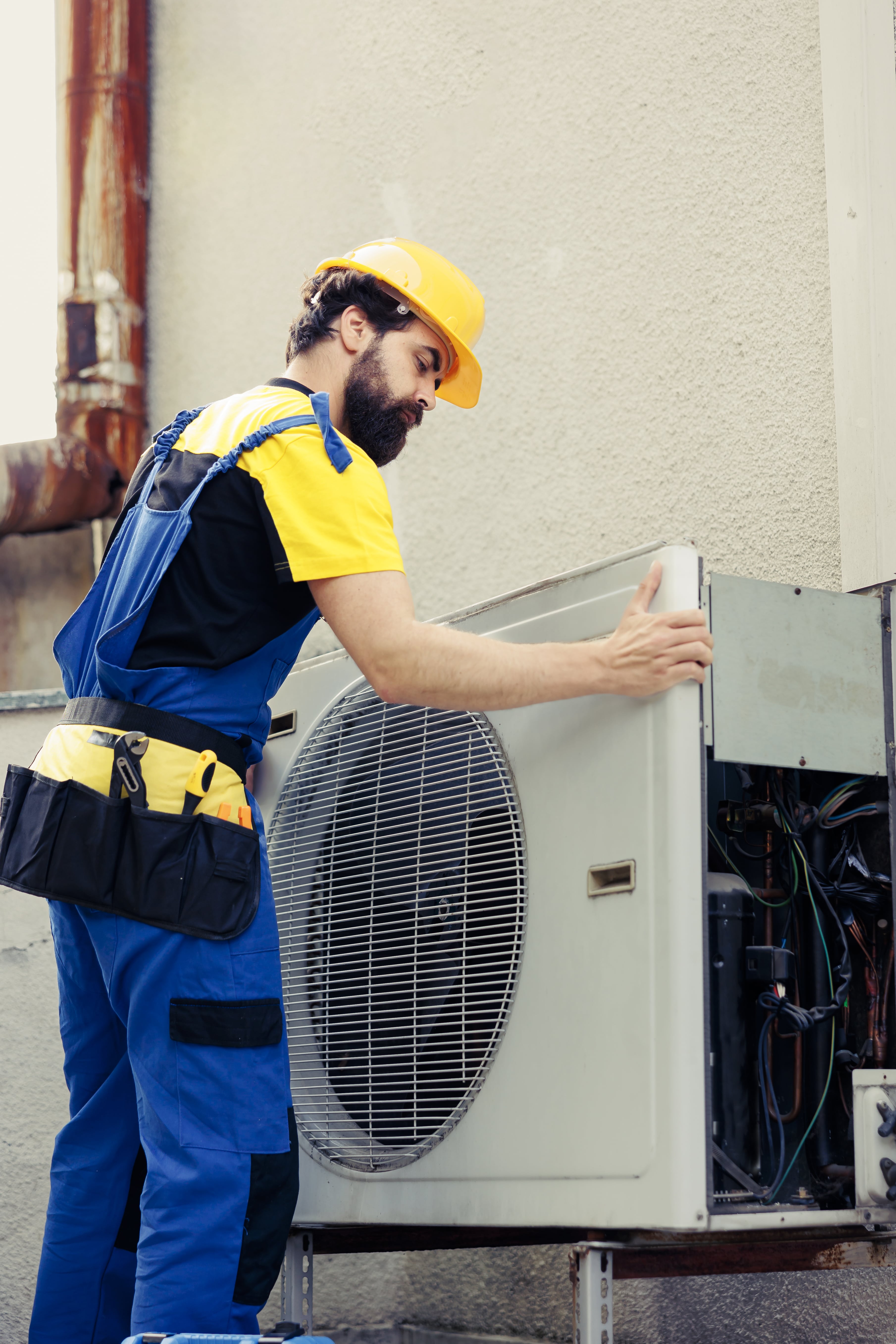
Heat Pump Repair in Stonybrook, PA
Keeping your heat pump operating reliably is essential for year-round comfort in Stonybrook, PA. With hot, humid summers and cold winters that push systems into heavy use, small issues can quickly become emergency repairs. This page explains common heat pump failure symptoms, a clear step-by-step diagnostic approach, typical repairs and parts replacement, expected repair timelines, warranty and parts considerations, emergency repair availability, and preventative tips specifically relevant to Stonybrook homes.
Why timely heat pump repair matters in Stonybrook, PA
Stonybrook experiences seasonal extremes that place extra strain on heat pumps. Extended summer air conditioning cycles, high humidity, and winter freeze-thaw plus road salt exposure increase wear on outdoor units. Addressing faults early preserves efficiency, prevents compressor damage, and reduces the chance of loss of heating during cold snaps.
Common heat pump failure symptoms in Stonybrook, PA
Recognizing symptoms early helps decide whether repair or replacement is needed. Common issues Stonybrook homeowners report include:
- Reduced heating or cooling capacity — system runs but fails to reach set temperature.
- Short cycling — frequent on/off cycles that increase wear and energy use.
- Ice buildup on the outdoor unit during cold weather.
- Unusual noises (clanking, humming, or loud rattle) from the compressor or fan motor.
- System won’t turn on, or tripped breakers and blown fuses.
- High energy bills with no change in usage patterns.
- Weak airflow from vents despite the fan running.
Each symptom can have multiple causes. For example, ice on the outdoor coil often indicates low refrigerant or a faulty defrost control, while humming without compressor engagement can point to a bad capacitor.
Step-by-step troubleshooting and diagnostic procedure
A methodical diagnostic approach prevents unnecessary parts replacement. The standard service workflow is:
- Preliminary inspection
- Confirm thermostat settings and mode (heat/cool/auto).
- Check visible condition of outdoor unit: debris, ice, corrosion from salt.
- Verify indoor air filters and registers are clean and open.
- Electrical checks
- Inspect circuit breakers, disconnect switches, and fuses.
- Measure line voltage at the unit and test capacitors for correct microfarad values.
- Test contactor and relay operation.
- Airflow and indoor checks
- Evaluate evaporator coil cleanliness and indoor blower motor function.
- Measure supply and return temperatures and static pressure to confirm adequate airflow.
- Refrigerant system diagnosis
- Attach gauges to verify refrigerant pressures and temperatures.
- Compare readings to manufacturer specifications to identify leaks or undercharge.
- Inspect for oil stains or dye indicating leak locations.
- Compressor and mechanical inspection
- Measure compressor amp draw and compare to rated values.
- Listen for abnormal bearing or valve noises.
- Cycle the reversing valve and confirm proper directional change for heating/cooling modes.
- Defrost and control diagnostics
- Test defrost control board and temperature sensors.
- Confirm proper defrost initiation and termination behavior.
This phased approach isolates the root cause so repairs address the underlying issue, reducing repeat service.
Typical parts replacement and what it involves
Common replacements in Stonybrook heat pump repairs include:
- Compressors
- When a compressor seizes or fails electrically, replacement is often necessary. Compressor swaps require proper recovery of refrigerant and system evacuation and recharge.
- Capacitors
- Dual run capacitors that fail cause motors and compressors to struggle or not start. Replacement is quick and often resolves startup and humming issues.
- Reversing valves
- A stuck or electrically failed reversing valve prevents mode change between heating and cooling. Replacement involves accessing refrigerant lines and system recharge.
- Fan and blower motors
- Motors wear over time from heavy cycling and exposure. Replacing motors restores airflow and reduces noise.
- Contactors, relays, and control boards
- These wear parts cause intermittent operation or no-start conditions. Replacements require electrical testing and careful wiring.
- Refrigerant lines and fittings
- Leaks from corrosion or mechanical damage require repair and leak testing, followed by recharge to spec.
Replaceable components vary in complexity. Electrical parts and filters can be replaced in under an hour; compressor or reversing valve jobs typically take several hours and require refrigerant handling tools and leak testing.
Repair timelines and factors that affect duration
Expected repair timelines depend on the part and severity:
- Quick repairs (capacitor, contactor, filter, thermostat) — typically completed within 1 to 2 hours.
- Moderate repairs (motor replacement, refrigerant leak repair, reversing valve) — commonly a half to full day.
- Major repairs (compressor or multi-component jobs) — may require a day or more, depending on parts availability and required refrigerant recovery.
Factors influencing timeline include access to the unit, part availability, extent of corrosion from salt or weather damage, and whether additional diagnostics uncover secondary issues.
Warranty and parts information
- Manufacturer warranties: Many heat pump components carry manufacturer warranties that range by part and model. Compressor and sealed-system warranties tend to be the most significant and may extend multiple years, while electrical components often have shorter coverage.
- Aftermarket parts: Replacement parts may come with separate warranties from suppliers or installers. Always retain warranty documentation and service invoices to support claims.
- Warranty considerations for Stonybrook homes: Corrosion or damage from environmental exposure can affect warranty coverage if proper maintenance was not documented. Regular maintenance records support warranty claims.
Emergency repair availability
Heat pump failures in freezing Stonybrook winters require prompt attention to avoid frozen pipes and loss of comfort. Emergency repair protocols prioritize safe interim solutions (manual backup heat, temporary electric heat strips where present) and rapid diagnosis to restore heat. Emergency repair response often focuses first on restoring safe operation, then completing full repairs when conditions and parts allow.
Preventative tips to avoid repeat issues
- Schedule biannual maintenance: Spring and fall tune-ups catch minor issues before peak seasons.
- Keep outdoor units clear: Remove debris, brush, and compacted leaves; protect from snow buildup and salt spray in winter.
- Replace filters regularly: Clogged filters reduce airflow and promote coil icing.
- Seal and insulate refrigerant lines and outdoor wiring to minimize condensation and corrosion.
- Monitor performance: Note changes in cycle frequency, noise, or utility bills to alert you to problems early.
- Use a programmable thermostat and correct settings to prevent unnecessary cycling.
Final notes on benefits of timely repair
Prompt, accurate heat pump repair preserves system efficiency, extends equipment life, and maintains reliable comfort through Stonybrook’s seasonal swings. A clear diagnostic process and targeted repairs avoid repeated service visits and reduce the risk of major component failure during critical cold or heat periods. Regular maintenance combined with timely repairs gives the best long-term protection for heat pumps in Stonybrook, PA.
Customer Testimonials
Focus on enhancing the quality of your maintenance plan by ensuring all components are well-coordinated and efficient. This will lead to improved performance and longevity of your systems.