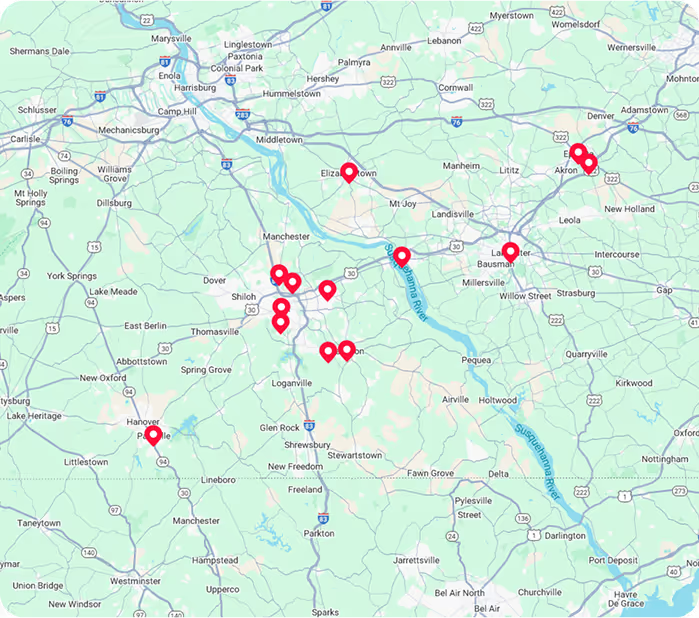
AC Installation in Dallastown, PA

For homeowners in Dallastown, PA, comprehensive AC services from Advance HAWS mean maintaining reliable cooling through timely maintenance. We provide thorough on-site inspections, performance testing, refrigerant checks, and dedicated emergency support. We understand common local issues and rely on our qualified, safety-certified technicians. At Advance HAWS, we'll walk you through our diagnostic sequences, service packages, scheduling options, and transparent pricing. We emphasize preventative maintenance, seasonal preparation, and helping you make informed decisions for repairs or replacements, so you can enjoy proactive, cost-conscious HVAC care.
.webp)
AC Installation in Dallastown, PA
Replacing or installing a new air conditioning system is a major home investment. In Dallastown, PA, where humid summers and occasional heat waves strain older systems, a proper AC installation improves comfort, lowers energy bills, and extends equipment life. This page explains the full process you should expect for AC installation in Dallastown, PA — from home assessment and load calculations to permitting, warranties, financing options, and post-installation testing and homeowner orientation.
Common AC installation types and common issues in Dallastown
- Central air replacement: swap out condenser, coil, and air handler while using existing ductwork when feasible.
- New central system with ductwork: required when home lacks adequate ducts or has consistent airflow problems.
- Ductless mini-split systems: good for additions, older homes without ducts, or zone control.
- Zoned systems or upgrades: adding dampers and controls to improve comfort in multilevel or unevenly cooled homes.
Common installation problems seen in local Dallastown homes:
- Undersized or oversized equipment because Manual J load calculations were skipped.
- Poor airflow from leaky or undersized ductwork in older homes.
- Incorrect refrigerant charge or imbalance between indoor and outdoor components.
- Electrical service or breaker capacity issues in older houses.
- Missing permits or code compliance oversights that can delay final inspection.
Home assessment and load calculations (what professionals do)
A reliable AC installation starts with a thorough home assessment:
- Perform a Manual J load calculation to size the system based on square footage, insulation, windows, orientation, and occupancy. This prevents inefficiency and short cycling.
- Inspect existing ductwork for leaks, insulation level, and balance using static pressure measurements.
- Evaluate the electrical panel, breaker capacity, and service entrance to ensure safe power supply.
- Identify moisture and indoor air quality concerns that could affect system sizing and selection.
Manual J and duct evaluations are essential in Dallastown because many homes were built before modern insulation and HVAC standards. Proper calculations ensure the installed system performs well in PA’s humid climate.
Equipment selection: size, efficiency, and compatibility
Choosing the right equipment means matching a properly sized condenser, coil, and air handler. Key factors:
- SEER rating: higher SEER delivers better seasonal efficiency. For Dallastown homeowners seeking long-term savings, higher-efficiency units reduce operating cost during hot, humid months.
- Matched components: always pair indoor and outdoor units designed to work together to protect performance and warranties.
- Refrigerant type: modern systems use lower global warming potential refrigerants; technicians must be certified to handle refrigerant properly.
- Air filtration and humidity control: consider systems with integrated dehumidification or add a separate dehumidifier for PA’s muggy summers.
Installation steps and typical timeline
A standard central AC installation in a single-family Dallastown home typically unfolds over several days:
- Pre-install preparation (1 day) - finalizing scope, ordering matched equipment, confirming permits.
- Removal of old equipment (half to 1 day) - recovering refrigerant per regulations and disconnecting components.
- Installation (1 to 2 days) - setting condenser, installing evaporator coil or air handler, connecting refrigerant lines, upgrading electrical as needed, and sealing duct transitions.
- Electrical and final hookups (half day) - installing proper breaker, wiring thermostat, and ensuring grounding and surge considerations.
- Start-up, testing, and inspection (half day to 1 day) - charging refrigerant, measuring airflow, testing safety controls, and running performance checks.
- Permit inspection timing varies - local permitting and inspection by the municipality or county can add days depending on scheduling.
Permitting and code compliance are part of the process in York County area jurisdictions. Installers should obtain required permits and arrange inspections to ensure the system meets local mechanical, electrical, and refrigerant handling codes.
Permits, code compliance, and certifications
- Permits: installation often requires a mechanical and/or electrical permit from the local municipality or county. Final inspection approval confirms compliance.
- Refrigerant handling: technicians must hold EPA certification and follow safe refrigerant recovery and charging practices.
- Local codes: equipment installation must meet local building and energy codes. This includes proper condensate disposal, ventilation requirements, and clearances for outdoor units.
Warranty, manufacturer information, and financing options
- Manufacturer warranties typically cover major components such as compressors and parts for a specified period. Many warranties require professional installation and registration to remain valid.
- Labor warranty: installers often provide a separate labor warranty for workmanship; confirm its length and what it covers.
- Extended protection: options exist for extended parts coverage or maintenance plans that can extend the effective life of the system.
- Financing options: homeowners may use traditional financing, home equity, HVAC-specific financing plans, or utility and state efficiency incentive programs. When evaluating options, compare terms, interest rates, and any prepayment penalties.
Post-installation testing and homeowner orientation
After installation, expect comprehensive testing and a homeowner walkthrough:
- Performance tests: refrigerant charge, airflow, static pressure, measured temperature split, and safety control checks.
- Thermostat setup: programming or smart thermostat orientation for optimal comfort and efficiency.
- Maintenance training: how and when to change filters, condensate drain care, basic troubleshooting, and seasonal start-up/shutdown procedures.
- Documentation: receive equipment warranty information, manufacturer registration forms, and a copy of permit and inspection approvals.
Long-term benefits and maintenance recommendations
A properly installed AC in Dallastown delivers:
- Consistent comfort and better humidity control during humid summers.
- Lower monthly energy bills when sized and calibrated correctly.
- Improved indoor air quality with correct filtration and sealed ducts.
- Longer equipment life and fewer emergency repairs.
Recommended maintenance:
- Annual tune-up before cooling season: clean coils, inspect refrigerant, test controls, and tighten electrical connections.
- Replace or clean filters every 1 to 3 months depending on use and filtration type.
- Inspect and seal ducts every few years, especially in older homes with unconditioned attics or crawlspaces.
Local considerations for Dallastown, PA homes
Dallastown’s climate and housing stock influence installation choices:
- Humidity control is important; consider systems with strong dehumidification or add-on dehumidifiers.
- Older homes may need duct upgrades, attic insulation improvements, or electrical service enhancements to support modern high-efficiency systems.
- Scheduling installations outside peak summer demand can improve availability and avoid prolonged discomfort.
A correct AC installation in Dallastown ensures your system meets local climate demands, code requirements, and your household comfort expectations while maximizing efficiency and equipment lifespan.
Customer Testimonials
Focus on enhancing the quality of your maintenance plan by ensuring all components are well-coordinated and efficient. This will lead to improved performance and longevity of your systems.