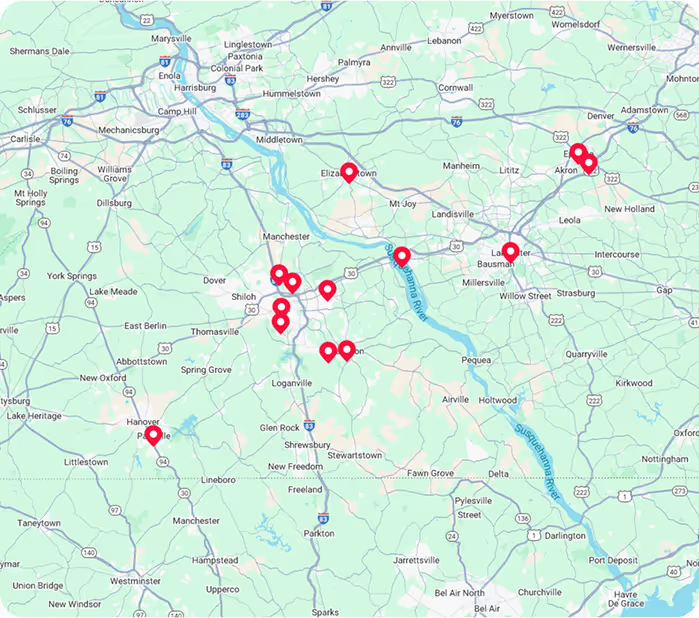
Mini-Split Installation in Red Lion, PA

Red Lion Mini Split installation delivers precise, zone-based comfort for homes and businesses, reducing energy waste and enabling flexible retrofits. The guide covers system types, selection criteria, and climate considerations, with emphasis on cold-climate performance and dehumidification. It explains on-site assessment, load calculations, and equipment choices, then outlines site preparation, professional installation steps, and post-installation testing. The page also reviews warranties, financing, maintenance routines, and long-term benefits, helping readers plan a reliable, efficient heat pump solution tailored to local conditions.

Mini-Split Installation in Red Lion, PA
Installing a mini-split heat pump is one of the most effective ways to upgrade comfort and efficiency in Red Lion, PA homes and businesses. With hot, humid summers and chilly winters, a properly sized and installed mini-split delivers precise temperature control, zone-based heating and cooling, and lower energy waste compared with many legacy systems. This page explains the full mini-split installation process, common system options and issues specific to Red Lion, and what to expect from a professional installation from assessment through post-install testing.
Why choose a mini-split for Red Lion, PA
- Precise zone control reduces energy use in homes with uneven heating or cooling needs common in older Red Lion houses.
- Modern mini-splits provide efficient cooling for humid summers and effective heat pump heating for moderate winter conditions. Cold-climate models can maintain performance even on very cold days.
- Ductless installation avoids the cost and disruption of installing or modifying ductwork in retrofit projects.
- Improved indoor air quality because each indoor unit has filtration and there is less duct-borne dust and mold.
Common mini-split types and service needs in Red Lion
- Single-zone mini-splits for individual rooms, additions, or finished basements.
- Multi-zone systems for whole-house control where multiple indoor units connect to one outdoor compressor.
- Concealed-duct or low-profile indoor units where aesthetics or ceiling placement matter.
- Cold-climate units with enhanced heating performance for Red Lion winters.
- Typical service requests: retrofit installations, replacement of aging window units or baseboard heaters, and multi-zone expansions for older homes with separate living areas.
On-site assessment and load calculation
A reliable installation starts with an on-site assessment and a professional load calculation (Manual J or equivalent). Key steps include:
- Inspecting the building envelope, insulation levels, window types, and orientation to understand heat gain and loss.
- Evaluating existing electrical capacity, circuit availability, and outdoor placement restrictions. Older Red Lion homes may require electrical panel upgrades or new dedicated circuits.
- Measuring room sizes, ceiling heights, and typical occupancy patterns to determine BTU requirements for each zone.
- Considering solar gain on east and west exposures during summer and heat loss on northern facades in winter.
Accurate load calculations prevent undersizing or oversizing, both of which cause comfort and efficiency problems.
System and indoor unit selection
Choosing the right system requires balancing capacity, efficiency, and installation constraints:
- Match capacity to the calculated load for each zone. Oversized units short-cycle and reduce comfort, undersized units run constantly.
- Select indoor unit styles that suit the room: wall-mounted for bedrooms, low-profile ceiling cassettes for living areas, or concealed-duct units for a hidden appearance.
- Consider SEER and HSPF ratings and look for cold-climate rating if winter performance is a priority.
- For businesses, evaluate multi-zone control and commercial-grade compressors for higher duty cycles.
In Red Lion, humidity control and heating performance are common priorities, so units with good dehumidification features and reliable low-temperature heating should be considered.
Site preparation
Proper site preparation reduces delays and ensures long-term performance:
- Determine optimal outdoor unit location for airflow, noise mitigation, and accessibility for maintenance. Typical placements are on a concrete pad or a wall-mounted bracket away from heavy snowfall or landscaping.
- Plan refrigerant line runs and penetration points that minimize visual impact and protect exterior finishes.
- Ensure indoor mounting surfaces are structurally sound and located for even air distribution.
- Verify electrical service and permits required by Red Lion codes before work begins.
Professional installation steps and timeline
A typical professional mini-split installation follows these steps and usually takes 1 to 3 days depending on system complexity:
- Final layout confirmation and permit check.
- Mount outdoor compressor on a pad or bracket and install indoor unit brackets or supports.
- Run refrigerant lines, condensate drain, and control wiring through pre-planned wall penetrations.
- Evacuate lines, charge system with refrigerant to manufacturer specifications, and connect electrical supply.
- Secure indoor units, connect drains, and conceal lines with trim or covers.
- Start up system, perform balance checks, and adjust airflow and controls.
Complex multi-zone systems or installations requiring electrical upgrades can extend the timeline. Installers experienced with Red Lion properties will account for weather, access, and local permitting.
Post-installation testing and walkthrough
After installation, thorough testing ensures correct operation and homeowner understanding:
- Verify refrigerant charge, outdoor and indoor unit communication, and proper defrost cycling for cold-weather operation.
- Test each zone for temperature response, airflow, and noise levels.
- Inspect condensate drainage and confirm that drip paths prevent water issues.
- Walk through system controls and maintenance points with the owner, explaining filters, scheduling, and basic troubleshooting.
- Provide documentation including model numbers, operating manuals, and warranty details.
Warranty and financing options
Most manufacturers offer limited warranties covering compressors, parts, and sometimes labor for specified periods. Typical warranty elements include:
- Compressor coverage and parts warranty lengths that vary by brand and model.
- Optional extended warranties or service plans that cover labor beyond the manufacturer period.
- Financing options through third-party lenders or in-house programs may be available to spread installation costs over time. These options can make higher-efficiency or multi-zone systems more attainable for homeowners and businesses.
When reviewing warranties and financing, confirm what is required to keep warranties valid, such as professional installation by certified technicians and routine maintenance.
Choosing the right system for your Red Lion home or business
Questions to guide selection:
- What rooms need heating and cooling now and in the future? Plan zones to match living patterns.
- Do you need a discreet indoor unit style to match historic Red Lion architecture? Concealed or low-profile units preserve aesthetics.
- Is winter performance a major concern? Consider cold-climate models and verify heating capacity at low outdoor temperatures.
- Are there electrical limitations or historic preservation guidelines that affect outdoor unit placement? Factor these into planning.
Work with a professional who provides a clear load calculation, equipment rationale, and a written scope of work.
Maintenance and long-term benefits
Regular maintenance maximizes longevity and efficiency:
- Clean or replace filters every 1 to 3 months depending on usage.
- Schedule annual professional inspections to check refrigerant, electrical connections, and defrost operation.
- Keep outdoor units clear of debris, snow, and overgrown shrubs to maintain airflow.
The long-term benefits for Red Lion residents include lower operating costs through zone control, improved year-round comfort, and reduced reliance on fossil-fuel backup systems when using efficient heat pump models.
This overview outlines what to expect from a professional mini-split installation in Red Lion, PA. Proper assessment, equipment selection, and skilled installation tailored to local climate and building characteristics are the keys to reliable, efficient performance.
Customer Testimonials
Focus on enhancing the quality of your maintenance plan by ensuring all components are well-coordinated and efficient. This will lead to improved performance and longevity of your systems.